As Eddie George neared the end of his nine seasons in the National Football League, the running back began pondering his next play.
"Something I'd worked on for most of my adult life was coming to an end, and it was really depressing, the unknown," said George, a Heisman Trophy winner who played for the Houston Oilers, Tennessee Titans and Dallas Cowboys from 1996 to 2005.
George, who retired from the game at 30, used his landscape architecture degree from Ohio State University to help found the Edge Group, a company that does landscaping and design projects in Ohio and Tennessee.
Many pro football players would like to start their own businesses after they leave the field, and now they can seek help from programs specifically designed to help retired athletes navigate the obstacles of entrepreneurship.
For some, building a business is a lifestyle choice. They want to keep working. Others need to earn a living. Although the minimum NFL salary this year is $420,000, many players don't make the big money for very long. The average football career is 3.5 years, according to the players union, the NFL Players Association. The league says it is six years. Either way, the money players earn in a short career isn't enough to last.
A branch of the players union called the Trust sponsors entrepreneurship workshops at Babson College. The NFL has a similar program at some of the country's top business schools.
Trust founders "felt there was a void in the entrepreneurial space, the obvious need for our players to learn more about owning their own businesses," said Bahati VanPelt, executive director of the organization, which was started in 2013. VanPelt says football players have skills that help them as entrepreneurs: They know how to work toward a goal, be team members and achieve something even when the odds are stacked against them.
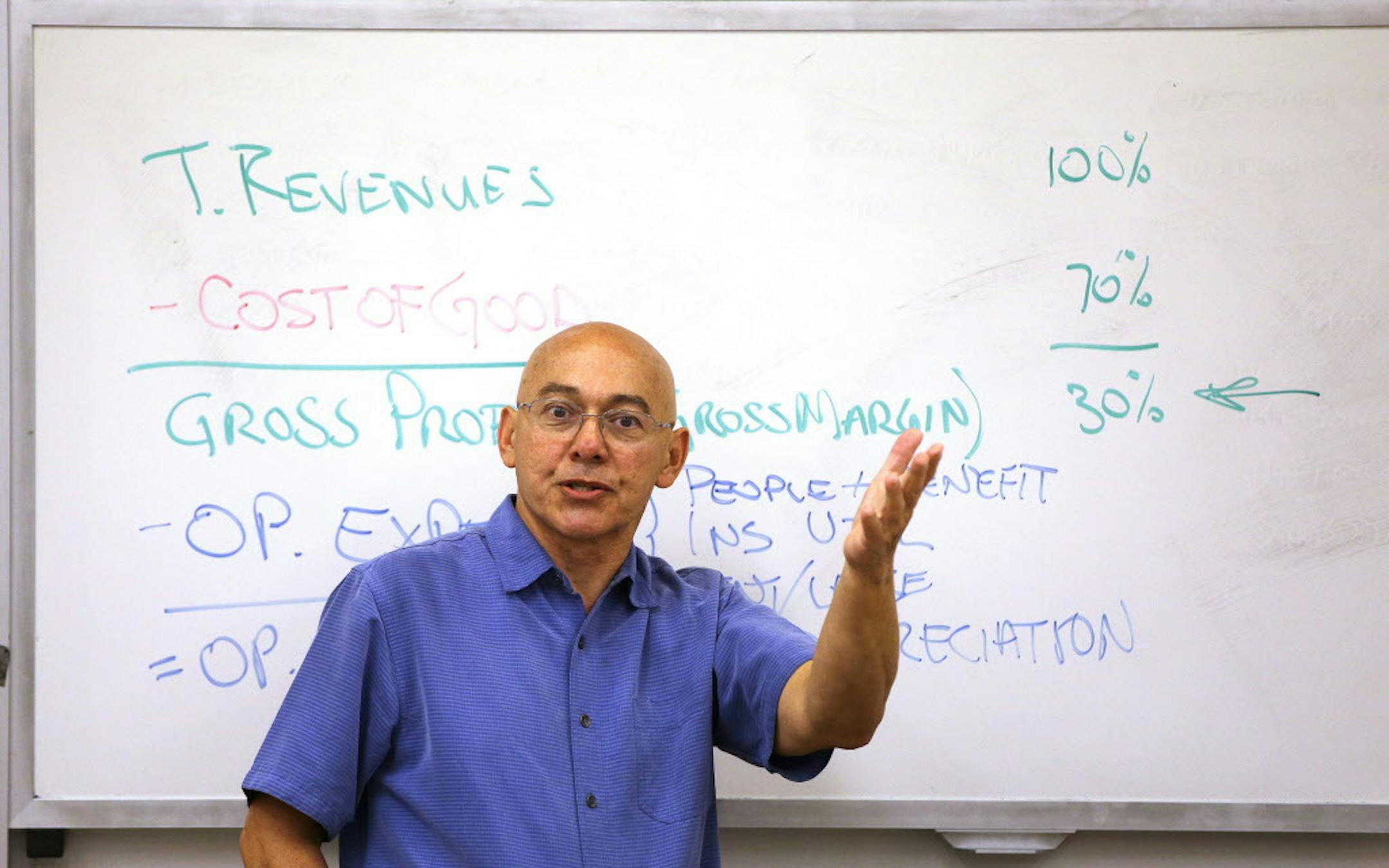
Both programs introduce players to small-business basics, including how to evaluate whether entrepreneurship is for them and how to analyze balance sheets.