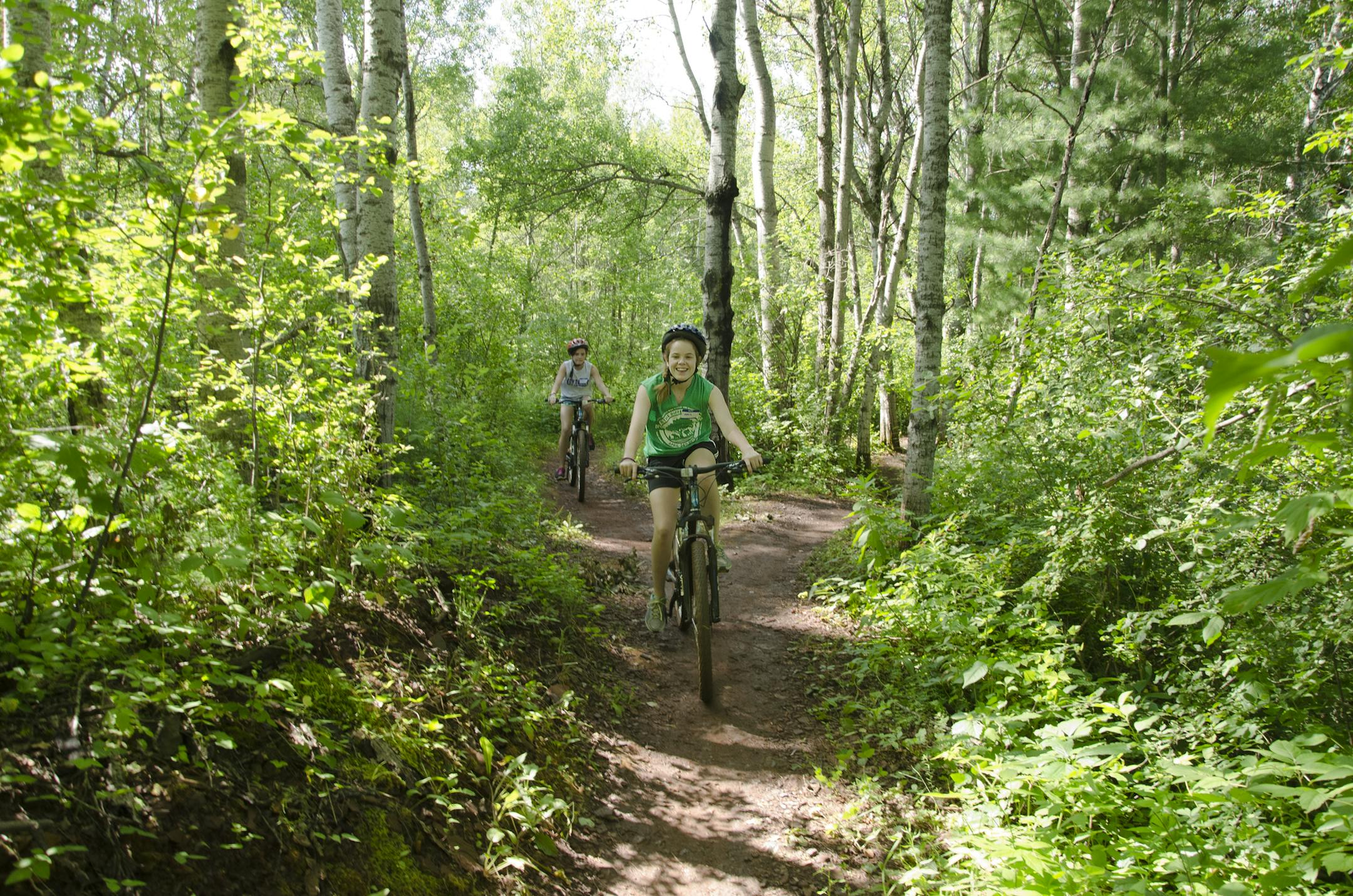
If you love biking or hiking, Minnesota offers plenty of options. But what if your idea of fun is doing farm chores? In this era of industrial agriculture, it's not easy to find a cow to milk. But not impossible.
Nor is it hard to look out over treetops, examine billion-year-old geologic formations, wander through the woods in the dark, or take your kids fishing even if you haven't threaded a worm since you were their age. All of these activities are within driving distance of the Twin Cities.
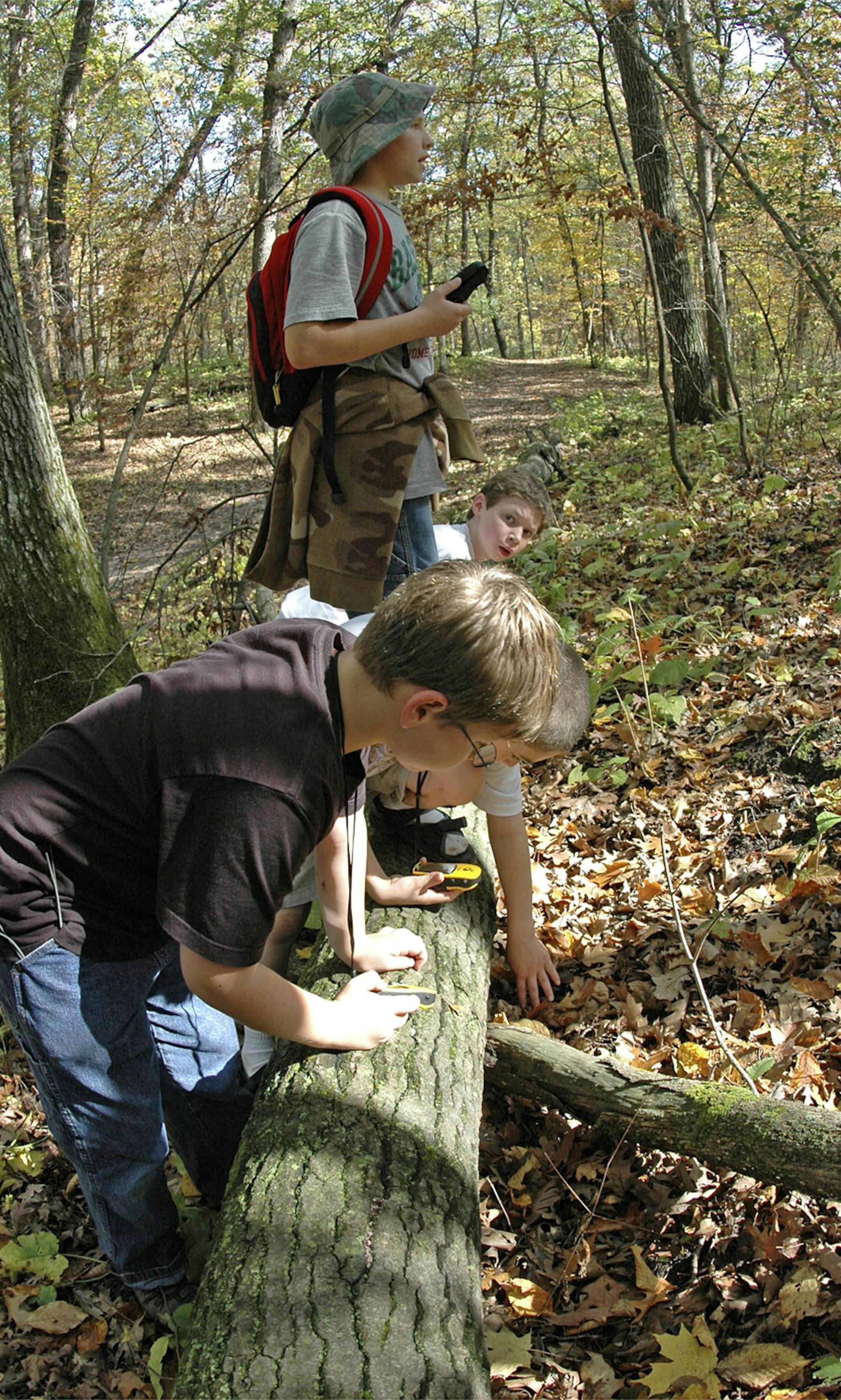
Minnesota parks offer opportunities for practically any recreational activity you might think of, from horseback riding to geocaching to mushroom hunting. Then there are activities you might not have thought of — adventures ideal for families, beginners, or anyone game for an unusual experience.
Climb a tower
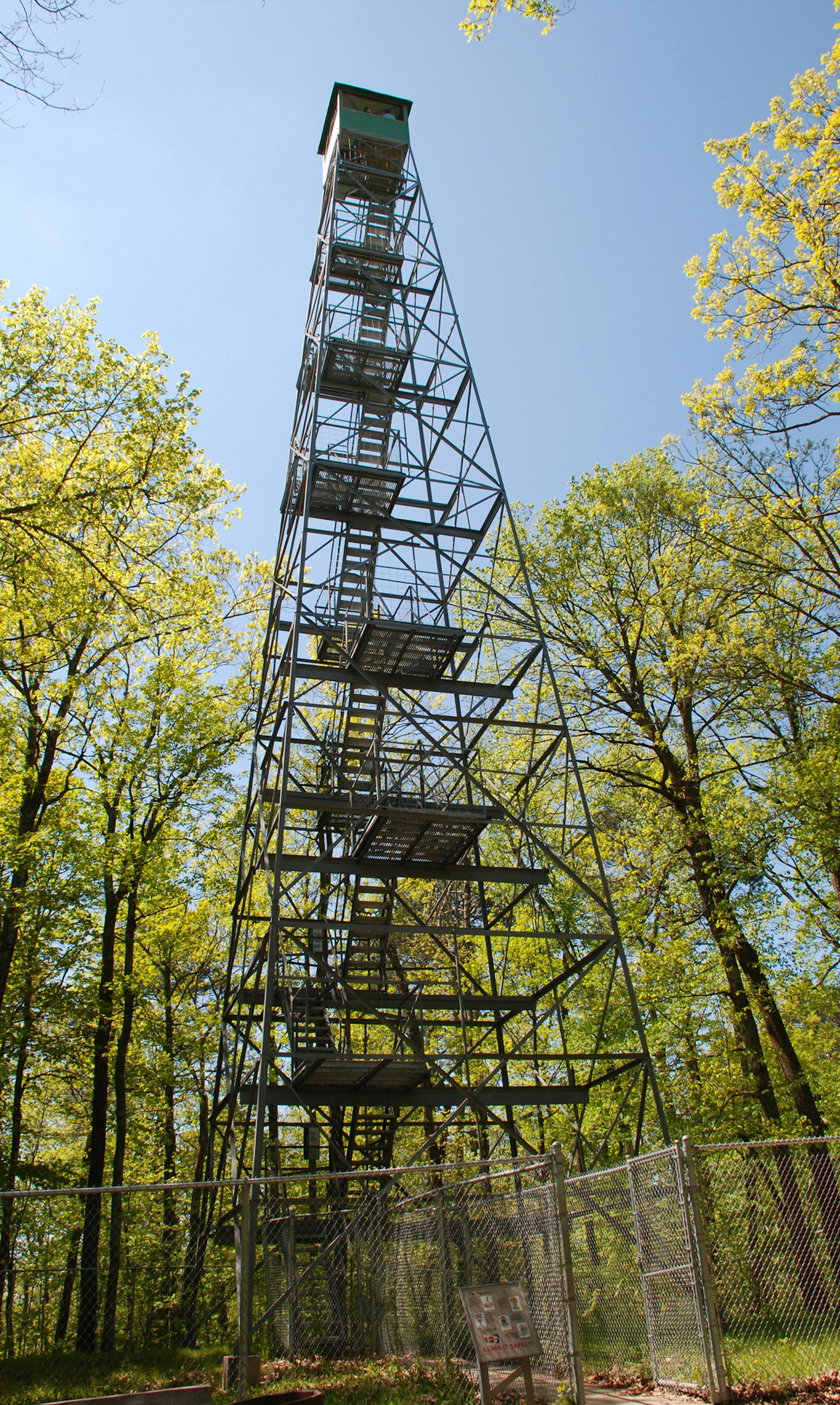
If gazing 20 miles in every direction sounds fun, climb a fire tower. From the 1930s to the 1970s, park rangers used towers to scan forests for smoke. These days, that's done from aircraft, but five state parks keep towers open to the public. It means climbing 100 feet of stairs, said lead naturalist Connie Cox at Itasca State Park, but the reward is a spectacular panoramic view.
"They'll see the tops of our towering pine trees — what we call the super canopy — poking out of the [other] treetops: oak, maple, birch, aspen," Cox said of the fire tower at Itasca. "Immediately below are Allen and Kasey lakes. In the summer, a pair of trumpeter swans is usually nesting in one or the other lake. Sometimes visitors can look down and see these giant white swans."
Ancient geology
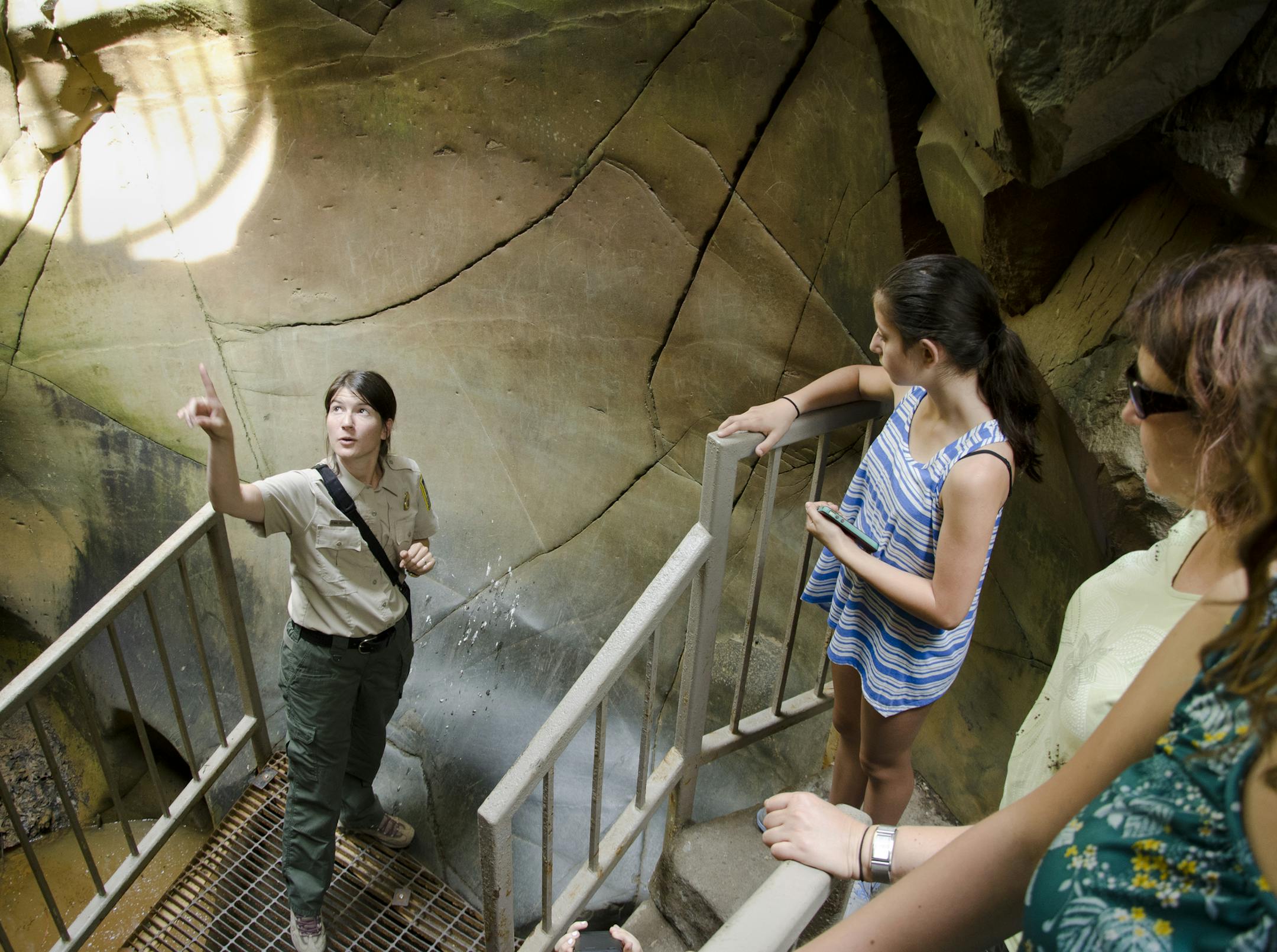
If you want to explore Minnesota's very distant history, head to Interstate State Park in Taylors Falls and take a guided tour of billion-year-old geological formations. The park features potholes carved by glaciers — some the size of paint cans, some big enough to hold a school bus, one you walk down into, partially underground. They're believed to be the densest concentration of such potholes on the planet.
"It's kind of like entering a whole different world," said naturalist Jenni Webster.
The big one is called the "Bake Oven" because it resembles an old-fashioned oven, but that's kind of a misnomer, because the dense rock keeps the holes cool ("a nice treat when it's 90 degrees," Webster said). The rock began to form 1.1 billion years ago, when geological forces tore a rift in the continent that oozed lava for millions of years. A mere 10,000 years ago, spinning sand in whirlpools from melting glaciers drilled holes into rock so hard you'd normally need a diamond drill to cut it.