

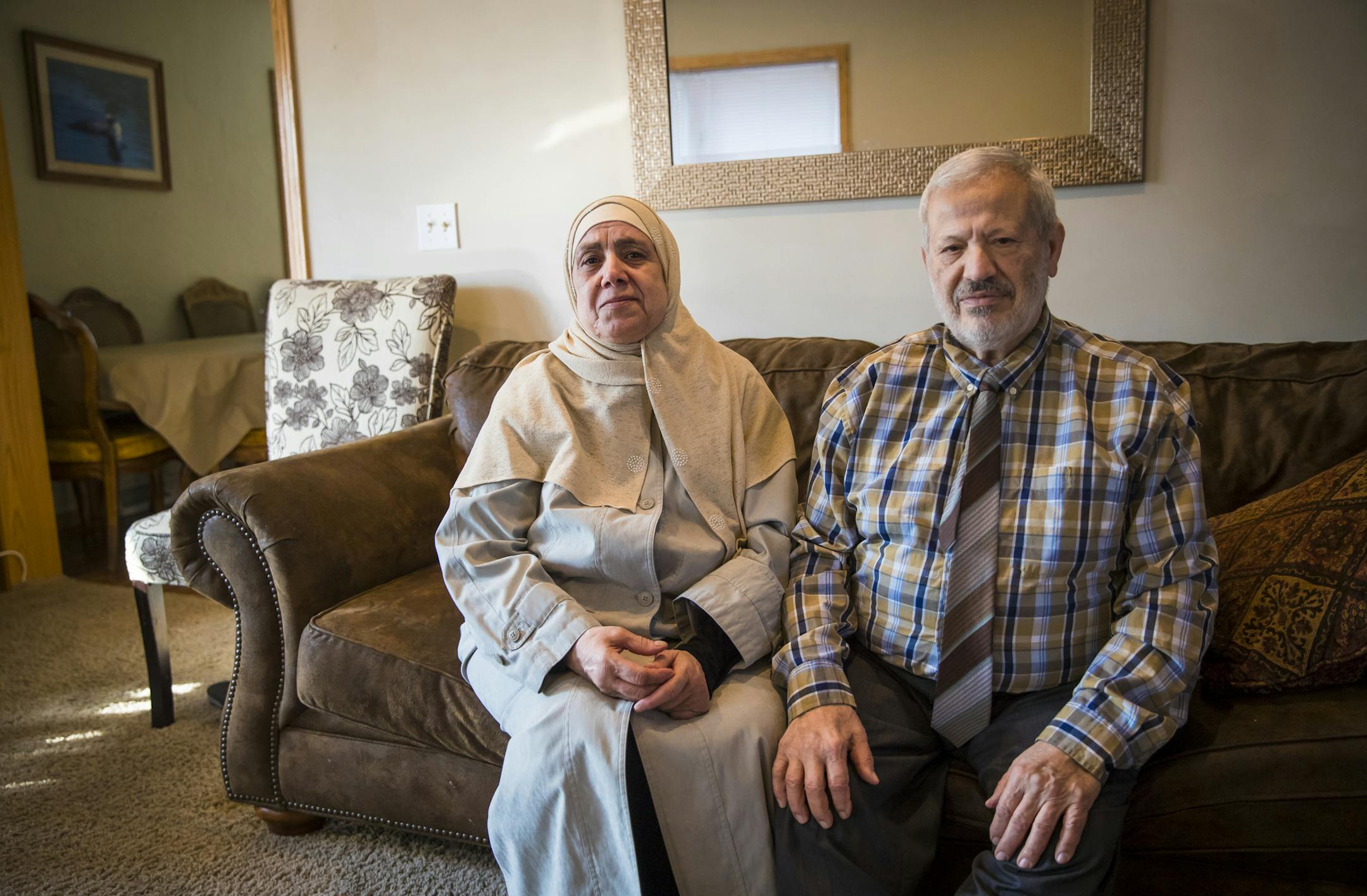
For Mounaf Alsamman, a Syrian-born Twin Cities physician, President Donald Trump's executive order Monday brought mixed news: His brother's family, in the final stage of the resettlement process, faces another four months of waiting. But unlike the January version, this order doesn't single out Syrian refugees for an indefinite suspension.
"An indefinite ban was really scary," Alsamman said. "Now we can breathe."
For the refugee destination of Minnesota, the new version of the executive order suspending resettlement and travel for natives of six majority-Muslim countries brought a sense of déjà vu, with a few key twists. Refugee arrivals here had already dropped off dramatically as the Trump administration slashed the number to be received, and local agencies prepared for a slow spring and summer. For visa holders and local Iraqis, whose country came off the list of nations facing travel restrictions, the new order brought relief.
Minnesota Attorney General Lori Swanson's office said Monday she was reviewing the order, which takes effect March 16, and would decide whether to mount a legal challenge like the one that blocked the Jan. 27 version.
Trump administration officials said Monday that the FBI is investigating about 300 people who came to the United States as refugees for terrorism ties, but they declined to provide any details, including how many are from the travel ban countries.
Arrive Ministries, one of five Twin Cities resettlement agencies, had only one family still on track to arrive in March — an offshoot of the president's move to cut arrivals from 110,000 to 50,000 this fiscal year. Executive Director Bob Oehrig said the decrease in arrivals is more significant than the four-month suspension. In addition, the agency had about 140 refugees from more than a dozen countries cleared for travel. All have relatives in the state.
"Families that have been separated for years will now have to wait even longer," he said.
Alsamman's brother, a pharmacist, his wife and four children are among those cases put on hold. Flushed from their home in Damascus by the civil war, family members live in Kuwait.


