

The genetically modified bone-growth compound used in Fridley-based Medtronic's InFuse spinal-fusion devices increases risks of cancer when used in high doses with high-risk patients, but careful doctors can mitigate those risks, a new analysis of hundreds of thousands of patients says.
Dr. Wellington Hsu, director of orthopedic surgery research at Northwestern University in Chicago, presented the results of his synthesis of several large-scale studies during a session at the annual meeting of the North American Spine Society in San Francisco on Friday.
Hundreds of millions of dollars and thousands of surgical outcomes are riding on the safety of bone morphogenetic protein (BMP), the chemically active ingredient in InFuse. Hsu's research, based on a survey of half a dozen studies covering many thousands of patients, supports Medtronic's main contention that InFuse doesn't increase cancer risks when spinal surgeons use it appropriately.
"My conclusion is that InFuse, when used judiciously and responsibly, does not increase your risk of cancer. But that there are [cancer] mechanisms that we need to be aware of," Hsu said. "I would still not recommend using BMP in somebody who has a history of cancer. But I believe that it is safe to use in proper doses in the general population."
While the results may be warmly received in Medtronic's sales department, some researchers remain skeptical of his survey's approach and his conclusion endorsing the broad safety of InFuse.
"If patients who the surgeons very likely selected for low risk of cancer ended up with about the same amount of cancer occurrence as people who have a normal cancer risk, I don't think that is an endorsement. I think that is a warning," said Dr. Eugene Carragee, an orthopedic surgeon at Stanford University and longtime InFuse critic. "Surgeons would not have applied the BMP with equal frequency in people with cancer risk because it was contraindicated."
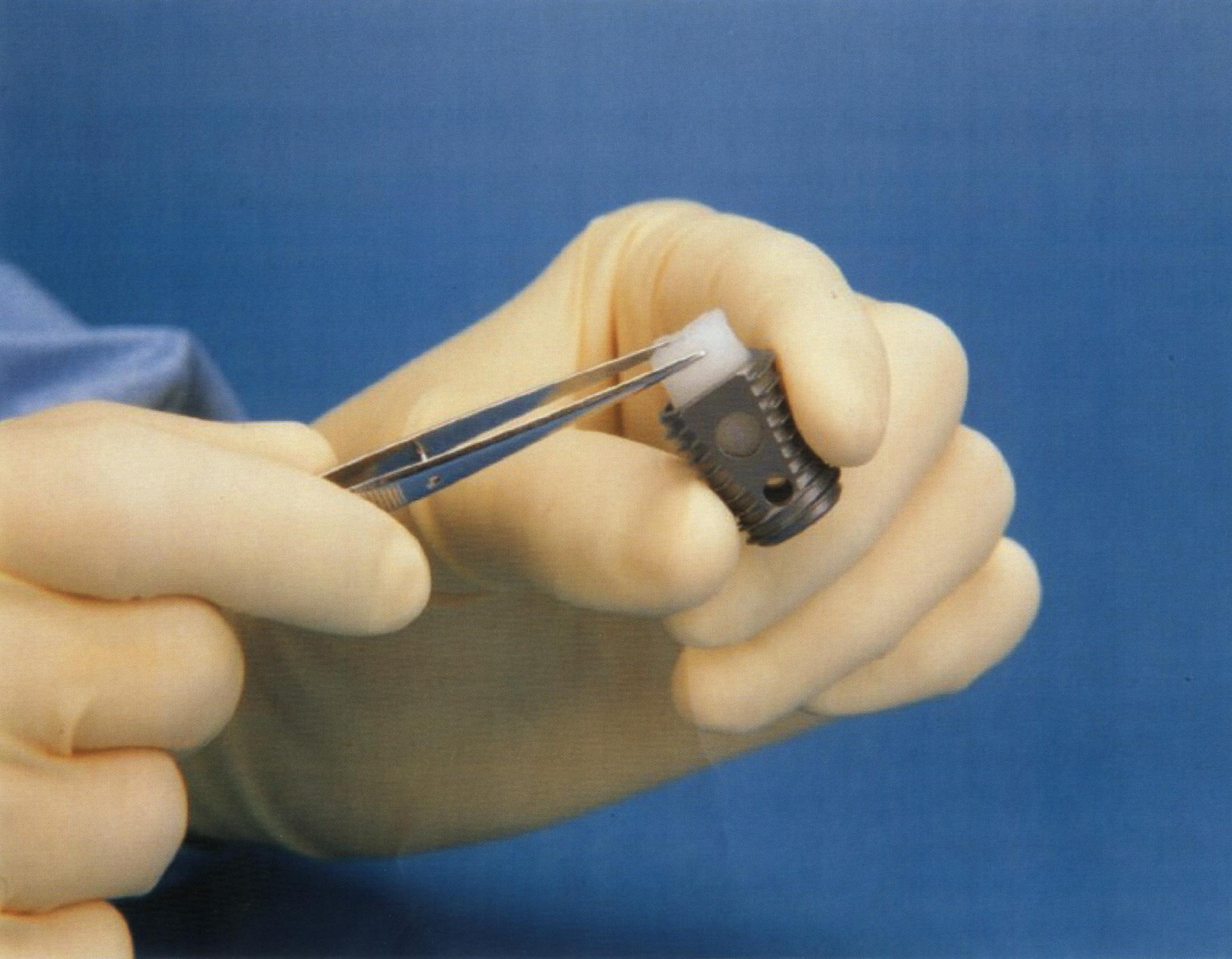
InFuse is a device used to treat degenerative-disc disease by fusing together deteriorating vertebrae. It features titanium cages with sponges that deliver a manufactured human bone protein, BMP, which stimulates rapid bone growth at the spinal-fusion site.
According to the latest data, patients in the U.S. had about 80,000 spinal-fusion operations in 2011, and 27 percent involved BMP. Past studies have found many doctors used the device for procedures at higher doses than the Food and Drug Administration allows.


