

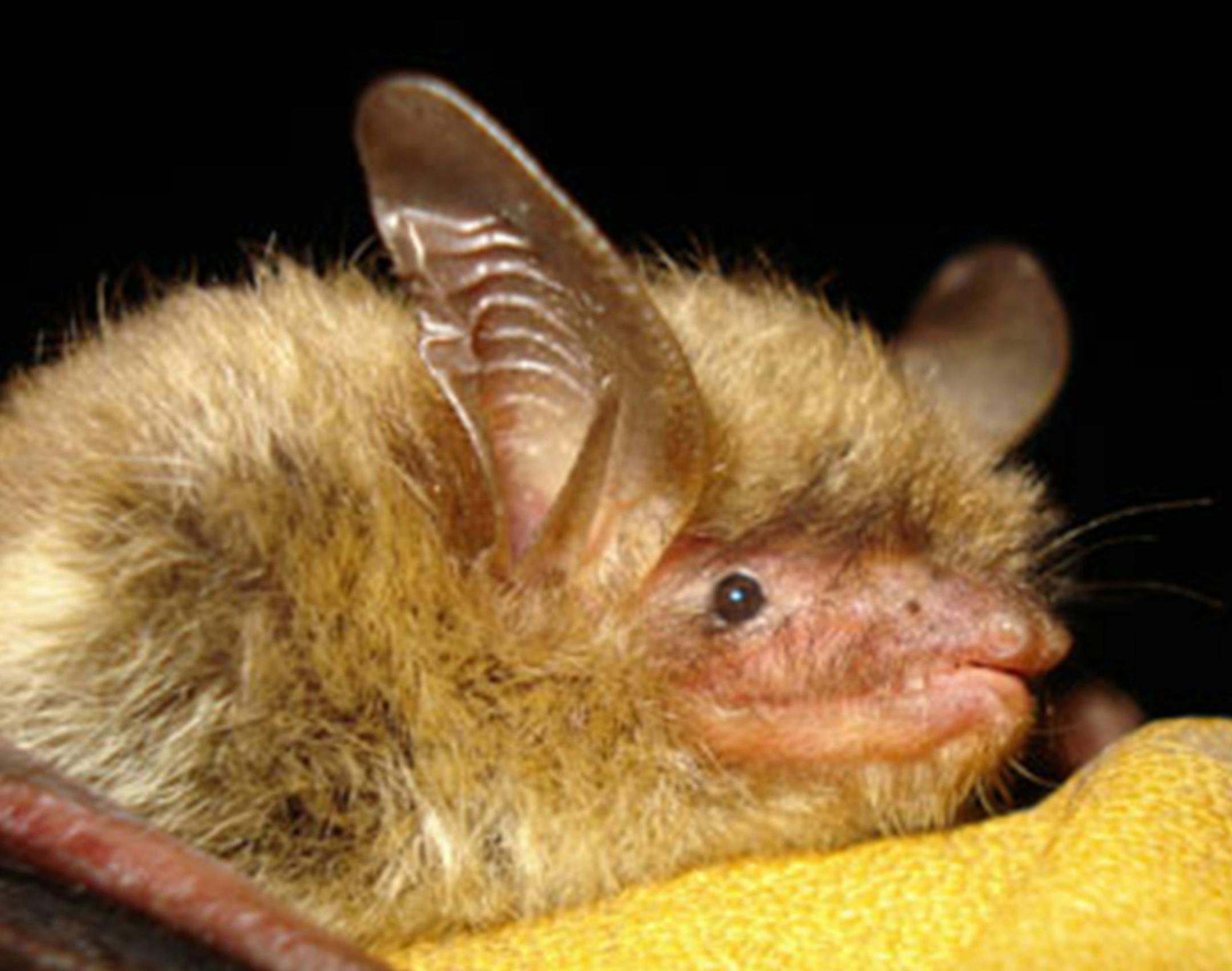
Starting this summer, the timber industry in Minnesota and elsewhere will have to keep a sharp eye out for the trees where northern long-eared bats are born, according to a proposal announced Wednesday that would provide the bat some protections under the Endangered Species Act.
The U.S. Fish and Wildlife Service wants to list the northern long-eared bat as threatened, not endangered, in order to keep ahead of white-nose syndrome, a fungal disease that is sweeping west across the country and taking out 90 percent or more of the bats it encounters along the way.
In many states like Minnesota, the bat population is still healthy, wildlife officials, said, but it won't be for long. The fungus that causes white-nose syndrome has been found in two places in Minnesota, as well as just over the borders with Iowa and Canada.
The most controversial part of the protection plan is the requirement for a quarter-mile buffer around the trees where female bats give birth in June and July. It would require the timber industry, private landowners and other land managers to protect all "known" maternity roosting trees for those two months.
And while that does not address white-nose syndrome, the bat's primary threat, it is a critical step, said Tony Sullins, chief of endangered species for the fish and wildlife service's Midwestern region.
"It does buy us time," he said while researchers try to figure out how stop the disease itself. "I'm hopeful they will find answers. And when they do, we want to have some northern long-eared bats on the landscape."
But no one knows where or how many of the trees there are.
"Our knowledge of known maternity roost trees is exceedingly limited," said Rich Baker, head of endangered species for the Minnesota Department of Natural Resources. He said that he can count the known trees on two hands, but in any year "there are thousands of them."


