Greg Smith is obsessed with the freshness of strawberries.
Walmart's top U.S. supply-chain executive is overhauling the retail giant's distribution system, and in his mind speed is paramount.
Strawberries have only 12.2 days of life after picking, he reckons, and the firm did not always get them to stores fast enough. The radical changes he is introducing can sometimes cut three to four days out of their journey to the store.
In the past, Walmart had a one-size-fits-all approach to its supply chain, he said, but now it is fast-tracking certain perishable and quick-selling goods. It used to keep inventories stored at warehouses, but now it is "flowing" priority goods directly to retailers. When trucks get to stores, fresh items are sent directly to shelves.
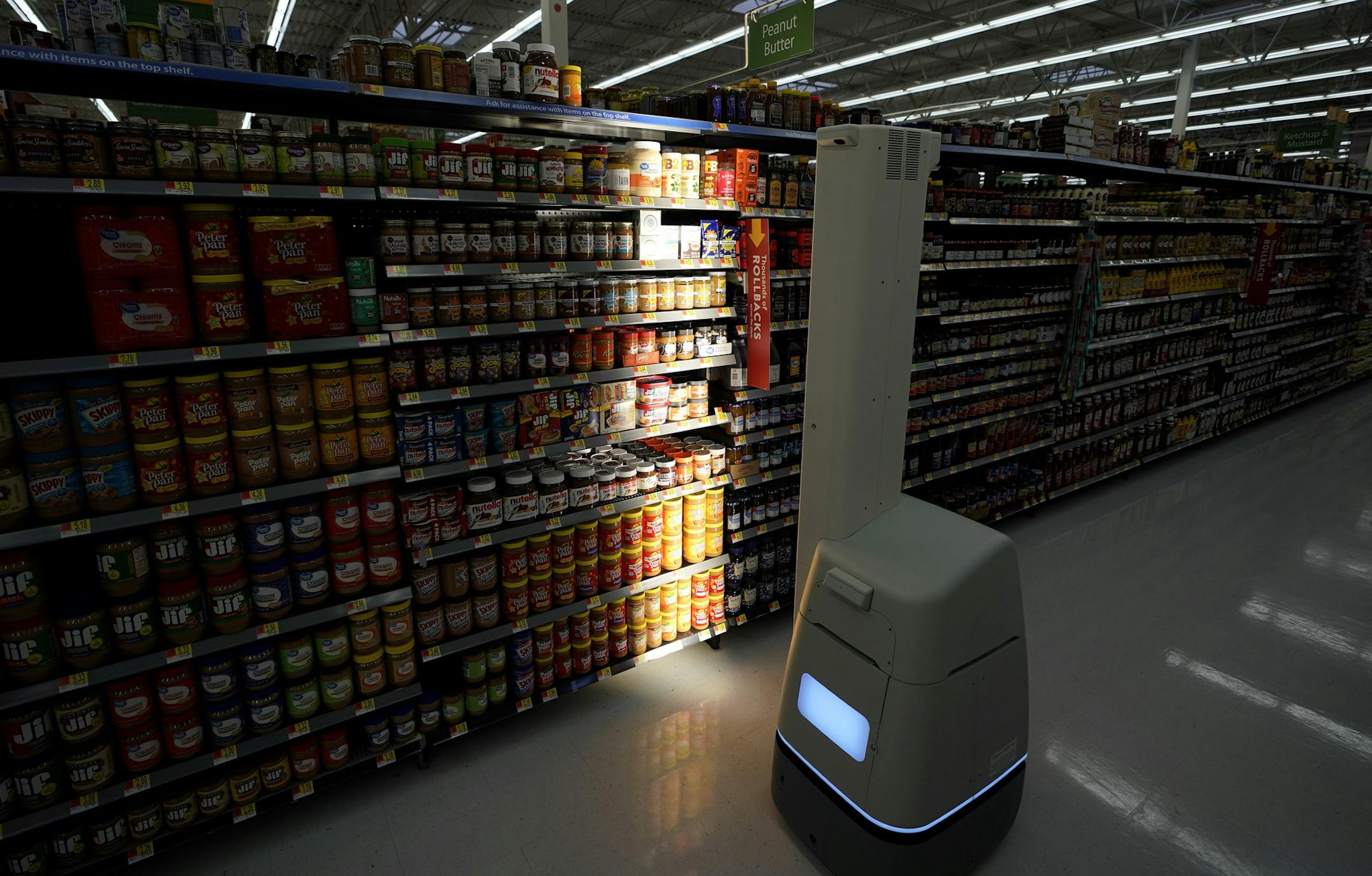
To gauge progress, visit a Walmart outlet near the company's headquarters in Bentonville, Ark. A robot made by Bossa Nova, a Californian startup, roams the isles scanning every shelf for out-of-stock items. The back of the store houses a semi-automated system for unloading trucks. The stockroom is surprisingly bare. An inspection of the produce aisles confirms that the strawberries are, indeed, delectably fresh.
The story of the speedy strawberry illustrates a broader transformation. "Retail before Walmart was slow, lumbering and inefficient," said an industry veteran.
The firm revolutionized supply chains once, before the arrival of the internet, by stripping out inefficiencies in logistics and telling the world's biggest brands that it would manage their product flow through its superior supply chain. Now it wants to repeat the trick for a more digitized age. Smith said Walmart is replacing all its supply-chain systems, physical and digital, to shift from batch processing to continuous replenishment.
Upstream, the firm is investing in technologies that he hopes will allow it to track individual stock-keeping units (SKUs) through the supply chain. Its warehouses are introducing automatic storage and retrieval systems and autonomous vehicles (AVs). This month, the firm will open an automated facility in California that will handle three times the volume of ordinary ones.