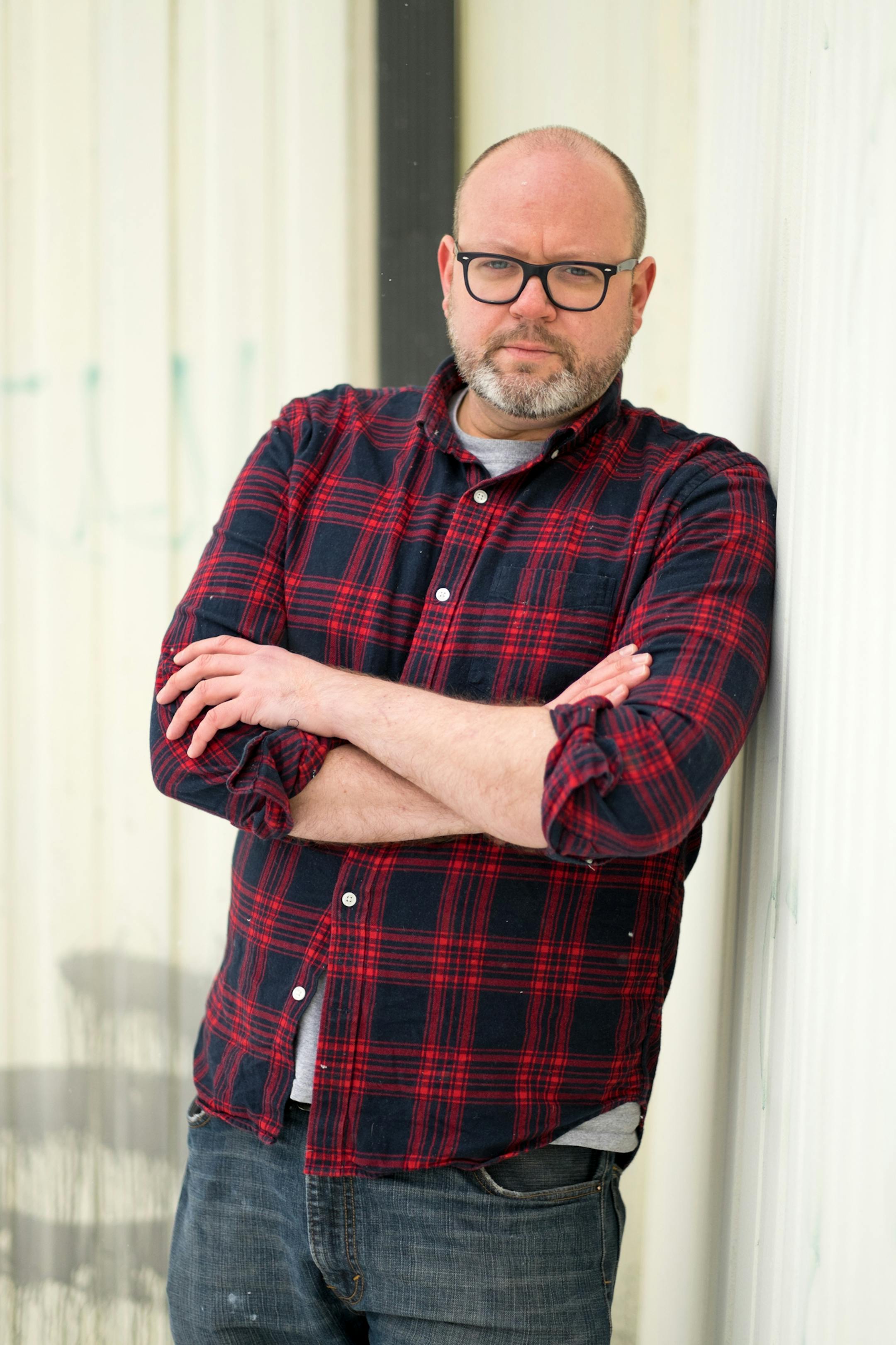
On one of Ryan Berg's first days working in a New York City group home for lesbian, gay, bisexual and transgender (LGBT) youths, a resident brought up all of Berg's insecurities with just one word: "tourist."
Berg, an Iowa native who worked in theater, was acutely aware of his outsider status. Having recently changed careers, he was living and working in the group home as a case manager — with no experience.
He dove into New York City's fractured social services system and worked to alleviate some of the extreme vulnerabilities among LGBT homeless youths, who make up 20 to 40 percent of the nation's homeless youth population, according to the U.S. Interagency Council on Homelessness.
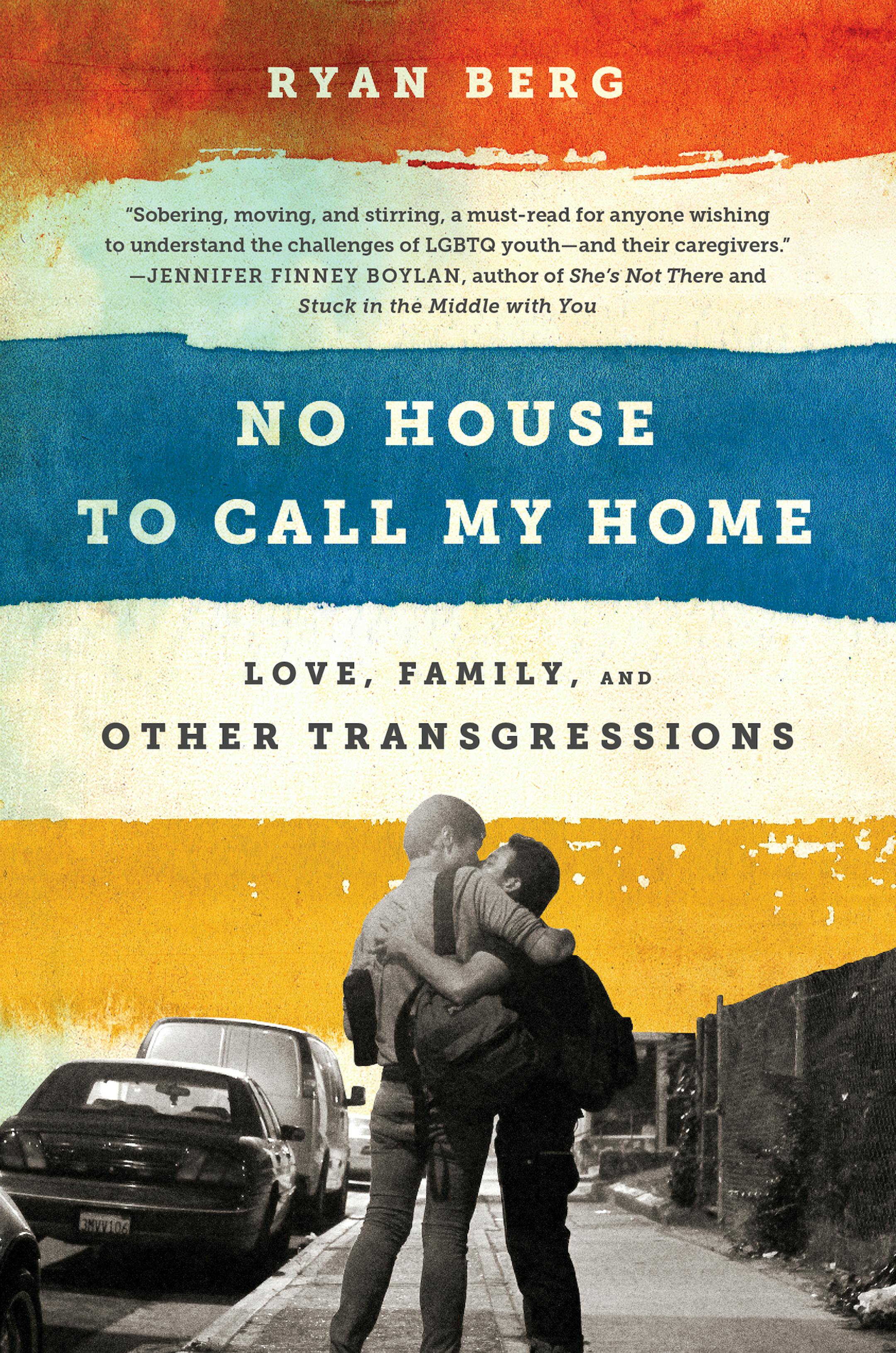
In a new book about working in the trenches among youths who have been dealt the worst in life — poverty, abuse, racism, homophobia — Berg writes, "I saw this bald, white guy in a dilapidated house in Queens surrounded by kids of color and wondered, 'What am I doing here?' " His fish-out-of-water experience, as well as the transformative and sometimes heart-wrenching relationships that grew between him and the youths he worked with, are the focus of "No House to Call My Home: Love, Family and Other Transgressions."
Most of the events in the book took place a decade ago. Berg eventually left that job and went on to study creative writing. "But I really couldn't shake the stories," he said. "I needed to write these stories."
He now lives in Minneapolis and runs a home host program at Avenues for Homeless Youth. We talked to Berg about bureaucracy, Minneapolis, and when to shut up.
Q: How did you end up in this line of work?
A: I was living in New York at the time and I was doing theater, and I became disenchanted. I was hoping the conversation would be larger and more interactive with the community, and it was all these insular little circles. So I left to do something within the community and I got the job working at the group home. I just applied on Craigslist, thinking, "I'm gay, they're gay, we'll have so much in common." I was so wholly unprepared for the obstacles and challenges that young people are facing. There was a huge learning curve.