

When "Daredevil" returns to Netflix for its second season March 18, the series will take some liberties with an iconic story. But even comics fans are likely to concede that it's for the best.
The story in question was a long-running affair in the early 1980s that established Daredevil's popularity, as well as populating his life with characters specific to his mythos. Before that, going back to the Man Without Fear's introduction in 1964, "Daredevil" was a weak seller featuring lame villains.
I mean, he fought a guy named Stilt-Man, who had — wait for it — stilts. Seriously.
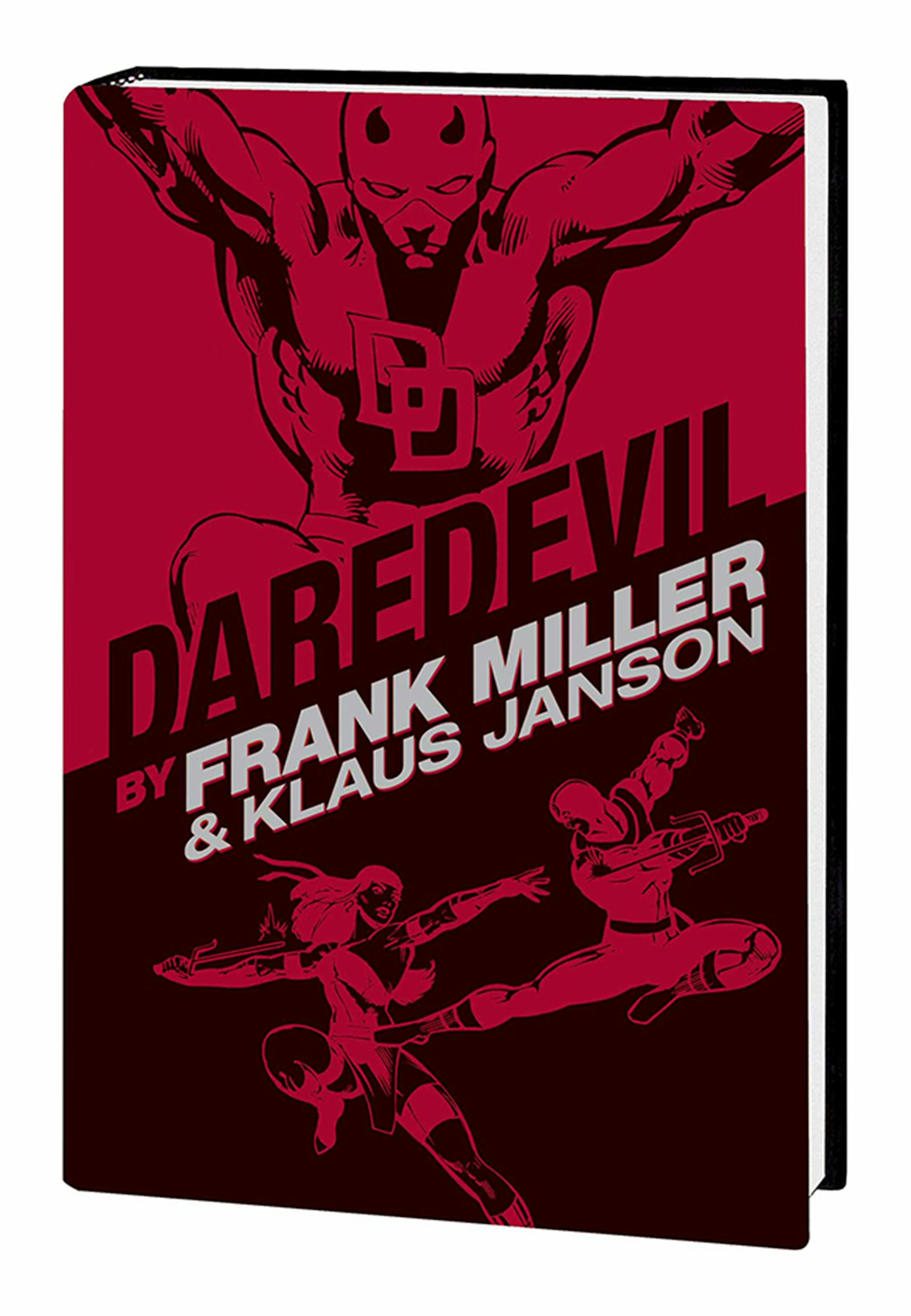
But in 1979 a future comic book legend named Frank Miller came to "Daredevil," at the time such a low-selling title that it came out only every other month. Writer/artist Miller changed the look of the series dramatically, and sales quickly responded, with "Daredevil" leaping into the ranks of Marvel's A-list titles.
Miller established Bullseye — a supervillain with the power to never miss — as one of Daredevil's major foes. He upgraded the villainous Kingpin and crusading reporter Ben Urich. He introduced the ninja assassin cult the Hand and Matt Murdock's blind mentor, Stick.
And in a masterstroke, he introduced Elektra Natchios. It didn't take long for Miller to establish her tortured relationship with Matt Murdock — first as a lover when both were in college, and then a vengeful, heartless ninja assassin as the result of the murder of her father.
Daredevil wanted to "save" her. Did he simply want to turn her from her murderous path? Or did he still love her? Probably both. That didn't exactly work out, though, as — spoiler — Bullseye killed Elektra with her own weapons.
The first season of Netflix's "Daredevil" saw the rise and fall of the Kingpin. It introduced Stick and the Hand. Even Elektra was mentioned obliquely, in a conversation between Foggy Nelson and Murdock in college.


