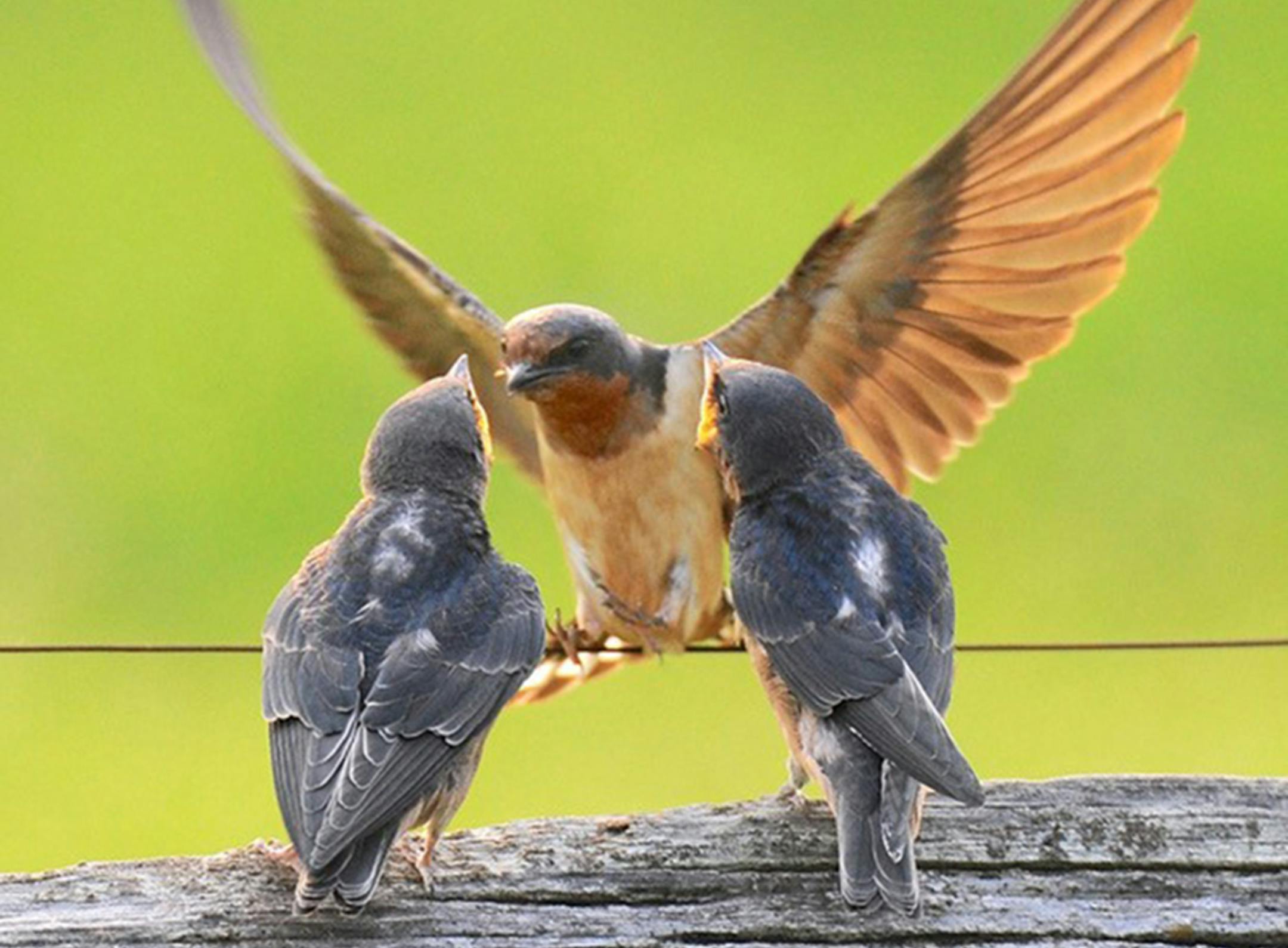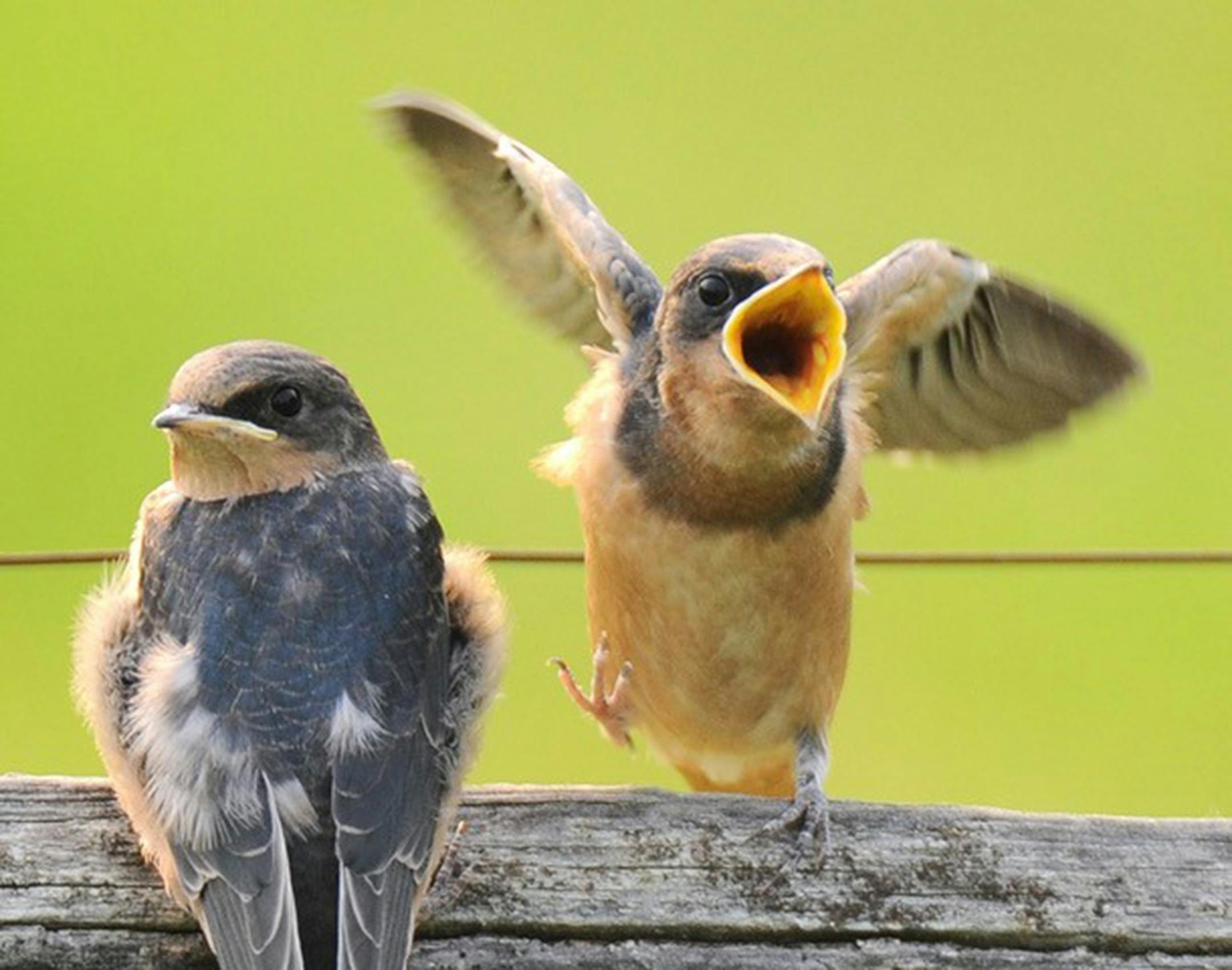
A horrific loss of North American bird life has been documented in a yearslong study that recently made headlines.
That study showed almost one-third of our birds have disappeared in the past 30 years. But the loss of insect life has been even worse. In some cases this worldwide situation has seen the population of some insects reduced by more than 90%.
Now comes one explanation, research showing a family of agricultural insecticides extending their reach far beyond farm fields and home gardens.
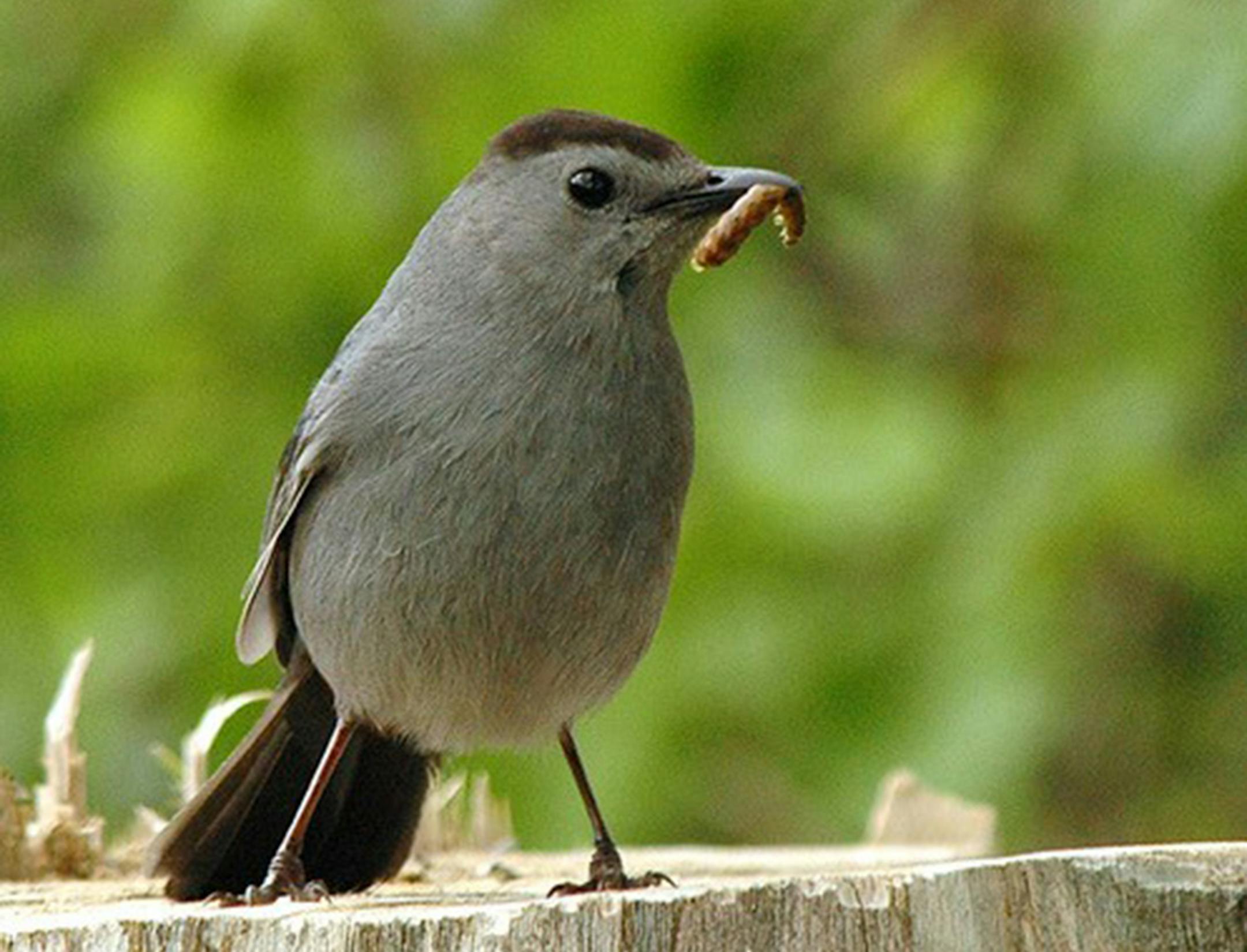
The diet of many birds is based on insects. Loss of insects equates to loss of birds.
A summary of a recent research paper on neonicotinoid (neonic) insecticides was published Aug. 6 on the National Geographic Society website (nationalgeographics.com). The source of the paper was the online journal PLOS One (journals.plos.org).
The paper examined the amount of neonics applied to control insects that damage many crops — soybeans and corn in particular.
Neonics, which are chemically similar to nicotine, affect the central nervous system of insects, leading to paralysis and death.
There was, according to the authors of the paper, a 48-fold increase in agricultural use of these insecticides between 1992 and 2014, as farmers switched from an older class of pesticides to which some insects were developing resistance.