

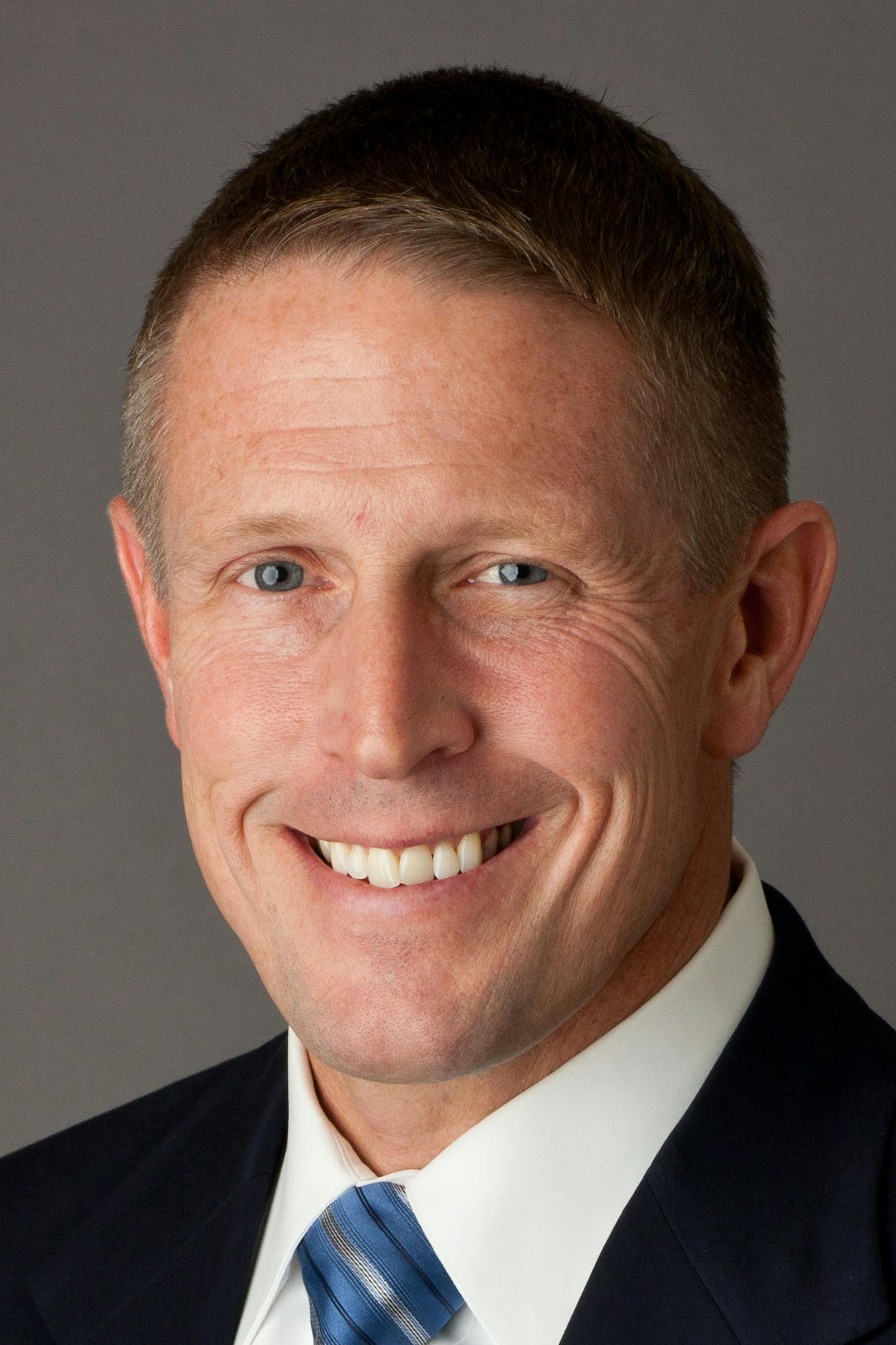
In 2002, Brian Taylor left a successful Minnetonka hedge fund and retreated to his family cabin in central Minnesota.
He had no plans to retire. Pine River Capital Management, named for the lake-country town, was started outside the Twin Cities because Taylor needed to honor a one-year, 100-mile noncompete agreement with EBF & Associates, where he'd worked for 14 years.
Taylor became his firm's first investor with $350,000 from his IRA account.
Today, Pine River, with assets of $14.3 billion and nearly 400 employees (including 175 in Minnesota), is the state's largest hedge fund. It operates from several financial centers including the Twin Cities, London, New York, San Francisco, Hong Kong and Austin, Texas. It also has been among the industry's best performers, according to the analysts who track the black-box world of private investment funds for institutional investors and affluent individuals.
"We generally don't try to predict the direction of markets," Taylor, 48, said recently in his first Star Tribune interview. "We look at relative valuation … for things that are mispriced. We're not trying to time markets. The goal is to make money whether markets are up or down."
Pine River, owned by Taylor and 15 other partners, witnessed a $2 billion "profit" across its various funds last year, according to Institutional Investor's Alpha spring publication on hedge fund performance. A Pine River spokesman said the $2 billion roughly represented the unrealized increase in value, not cash into partner pockets.
In May, Barron's said Pine River operated two of the country's best-performing hedge portfolios over the past three years. They are the Pine River Fixed Income (23 percent compounded annually) and the Pine River Global Multi-Strategy Relative Value (13.5 percent compounded annually).
Steve Kuhn, the head of fixed-income trading who joined Pine River in 2008 from Goldman Sachs, has become one of the industry's most celebrated mortgage bond traders. His big bet? That deeply discounted mortgage-backed securities, from junk bonds to government-insured, would rebound from the depths of the recession, thanks to the federal rescue of the financial system and the Federal Reserve money pump that's helped keep interest rates at record lows and brought huge profits to the buyers of those discounted bonds.


