

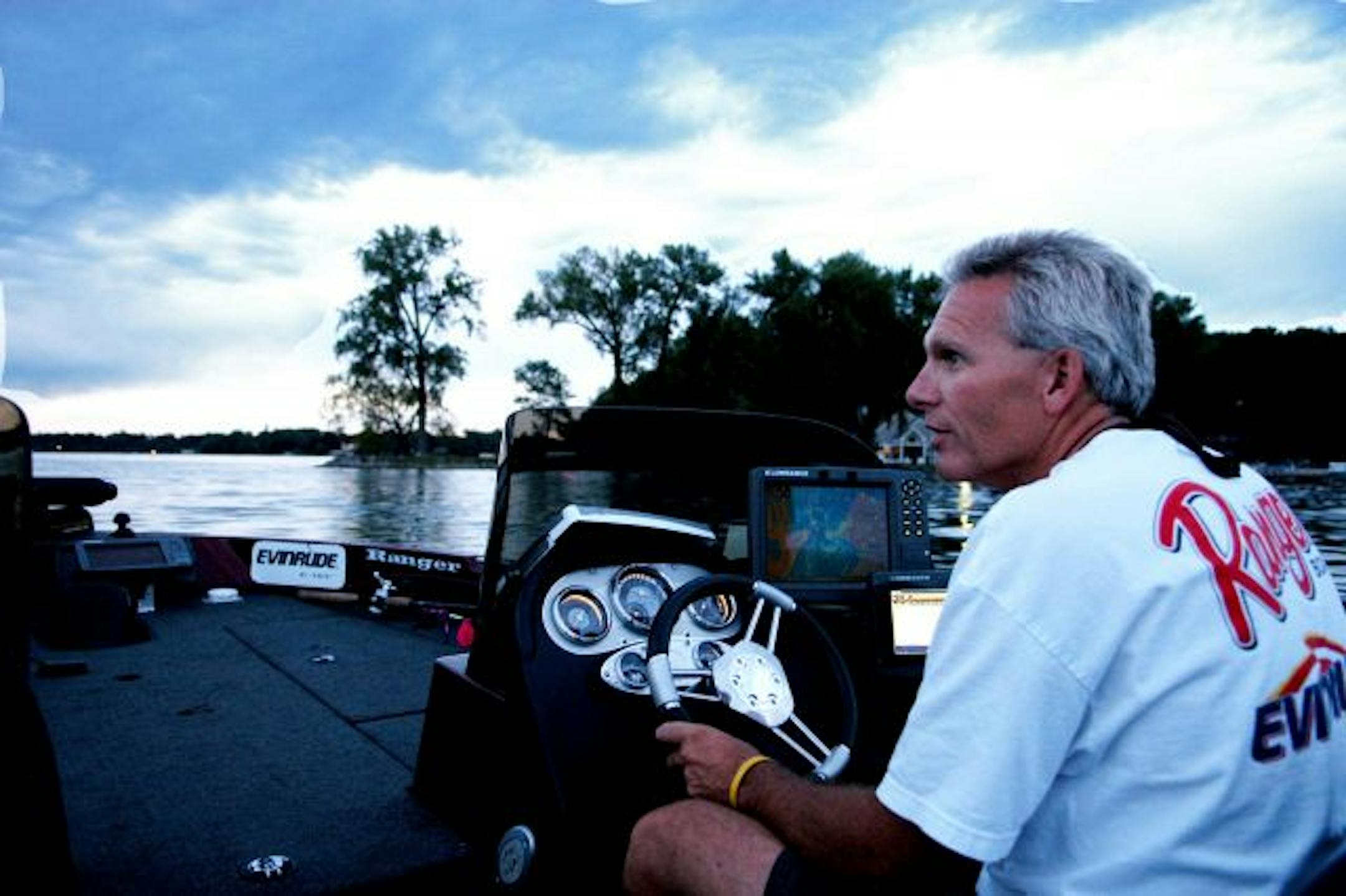
Muskie fishing expert and guide Bob Turgeon represents a new breed of angler who seeks these big freshwater fish. Times have changed, he says in the interview below, from the "old days" of muskie fishing, when these behemoths were primarily the stuff of lore and mystery -- and knowledge about how to fool them was closely held by a relatively small group of anglers. Today, Turgeon says, most everything about muskie fishing has changed.
Q Old-school thinking about muskies suggests the fish are rarely caught, and instead are the stuff of mythology. Is that still true?
A Certainly muskies are the most difficult fish to catch within inland Minnesota and Wisconsin waters. They're the highest predator, and as such there are fewer of them. There might be 1,000 bass in a lake but only relatively few muskies. Still, muskie fishing opportunities have grown, and more lakes have fishable populations. What's more, knowledge about how to fish muskies has expanded among anglers. If you're doing the right things at the right time of year, and also considering specific weather conditions, you have a good chance to hook up.
Q How does an angler get started muskie fishing and gain access to the information needed to be successful?
A Muskie fishing and how to do it was a very quiet thing in the old days. The secret spots, the secret presentations weren't talked about much. And for good reason. Muskies were often killed back then when they were caught, so spreading the word about where they could be found was putting fish at risk. As a consequence, beginning muskie anglers found it very difficult to learn. Now there are muskie fishing seminars, the Internet, specialty tackle shops like Thorne Brothers. You can walk into these shops and walk out in a half-hour with a selection of baits that are going to work. Whereas in the old days, you had to seek out the old guard and try to get their secrets.
Q It's one thing to hook a muskie, another to catch one.
A The mythical old Iron Jaws of yesteryear that "lived on a point just down from the resort" had been hooked by 15 people but never caught. Or so the story went. In part that was because of the equipment used back then. Five- or 6-foot rods and stretchy Dacron or monofilament line. Hand-carved cedar baits -- which basically were baits made of soft wood, with small hooks. All of this made it very difficult to set a hook on a big fish. Because the lures were soft, fish would clamp down on them. But the minute the fish opened its mouth, the lure would came flying out.
Q Today's longer rods and braided line help set hooks.


