SAN JOSE, Calif. – The Internet is so fast that the Bay Area can connect with New York City quicker than you can finish this sentence.
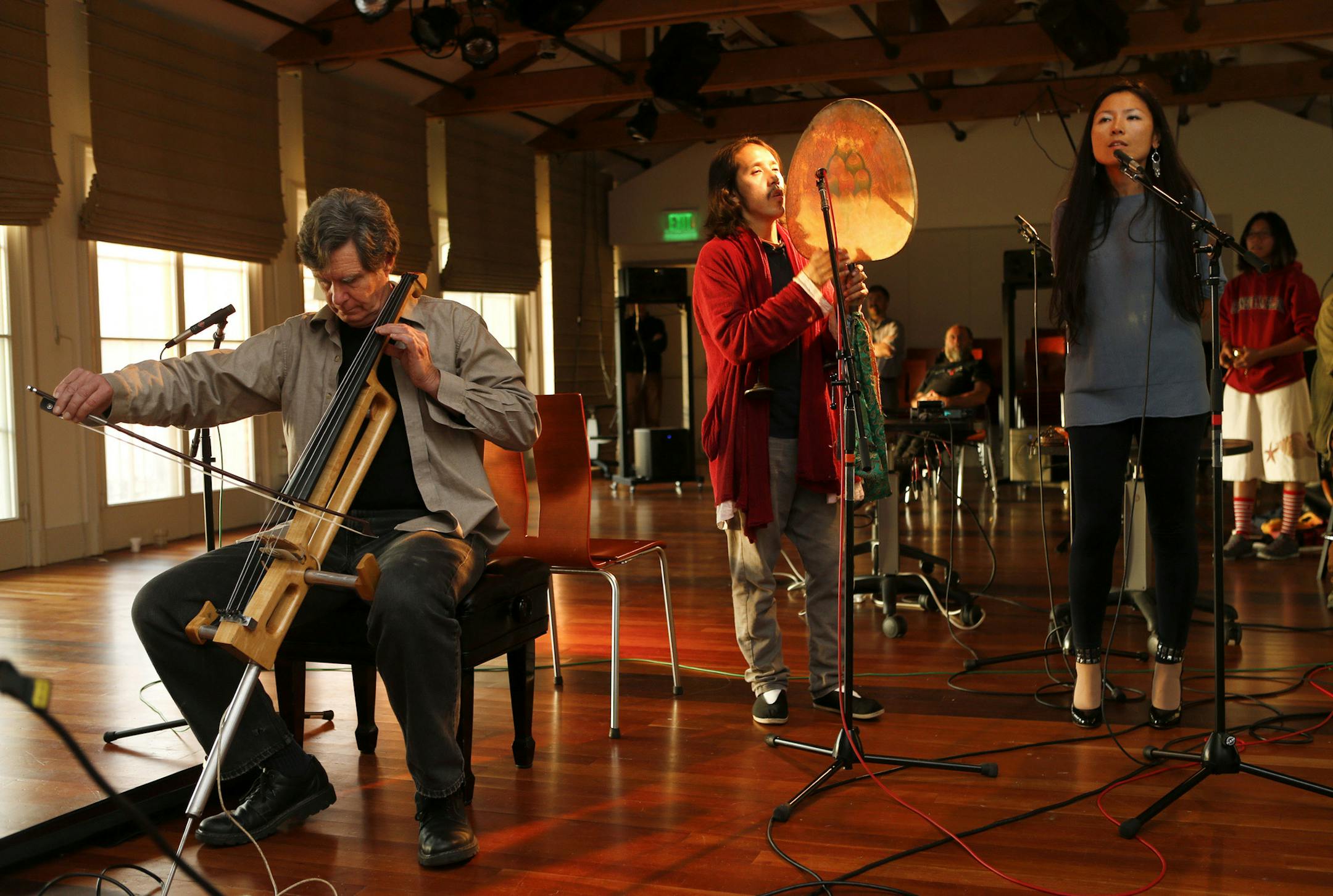
That's a blistering speed — but not quite fast enough for musicians, who dream of a day when notes travel at light speed. Then the entire globe could play in a single ensemble.
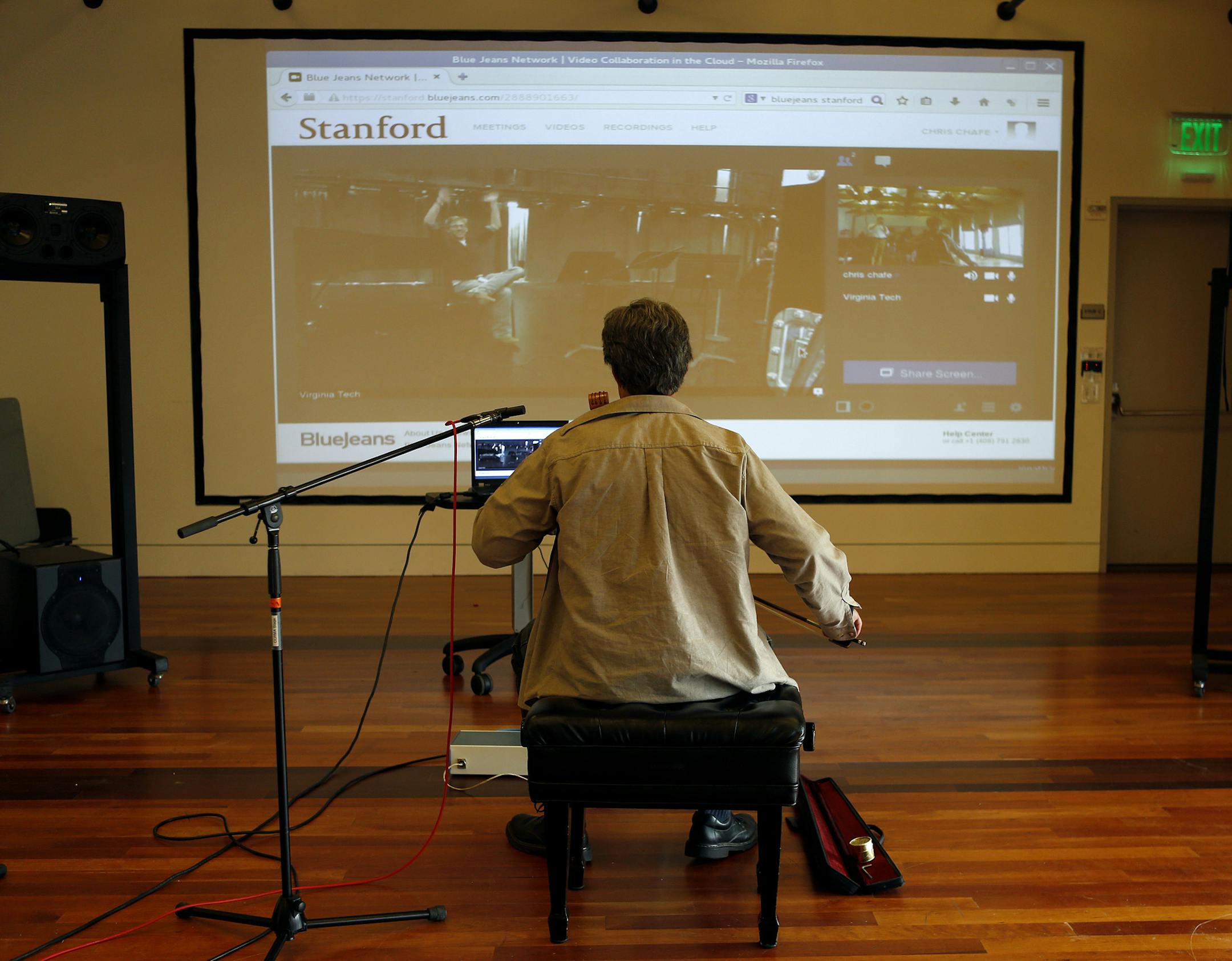
"The delays are devastating," said acoustical engineer Elizabeth Cohen. "Thirty milliseconds? That's an echo. An eternity.
"The essence of music is shared communication. And that depends on instantaneous feedback," said Cohen, who archives music for international exchanges over networks.
So hopes are pinned on an attempt to break the speed limit, launched in October by a team led by computer research scientist Brighten Godfrey of the University of Illinois and Duke University colleagues.
Their Google-funded mission — "Networking at the Speed of Light" — challenges computer-networking researchers to create an Internet that reaches the universe's physical limit. They imagine instant-messaging chats that don't oddly slow. Cat videos that don't stop, start, lag, then freeze. And musicians in Oahu and Antarctica performing a seamless Beethoven quartet.
This is the problem: the time delay, called latency, for a signal to traverse a network. Data packets travel the Internet about 10 times slower than the speed of light — often 100 times slower, Godfrey says.
That San Francisco-New York connection? On the typical computer network, it takes about one second, even longer. If traveling at the speed of light, it would take just 27 milliseconds. (A millisecond is one-thousandth of a second.)