

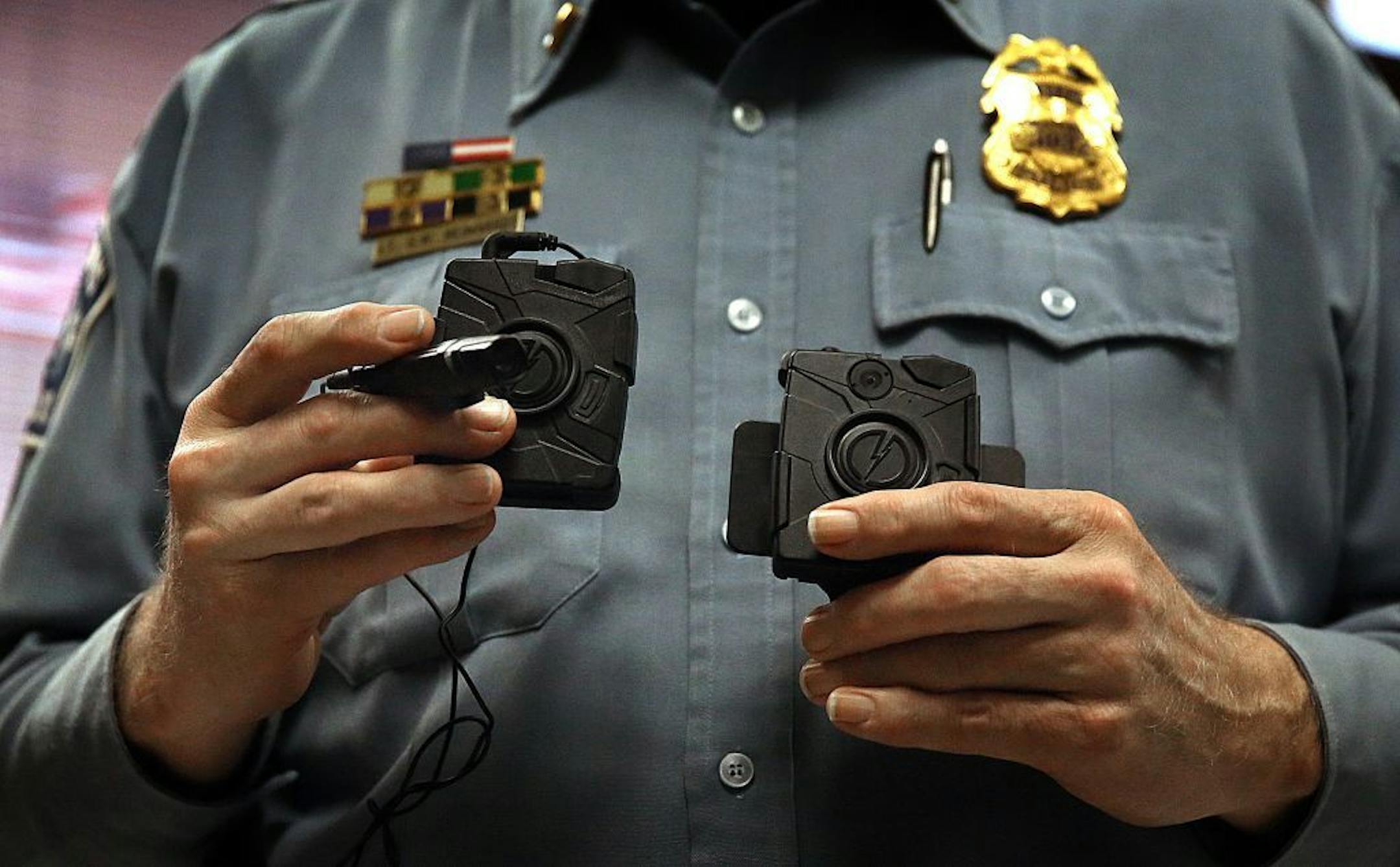
As Minneapolis prepares to outfit all of its police officers with body cameras, the police department division that will respond to public requests for the cameras' footage is already staggering under the weight of a growing backlog of records requests.
Officials said this week that the number of requests handled by the Minneapolis Police Department's Records Information Unit has grown by 400 percent in the last few years. Between 2014 and 2015 alone, the number of annual requests soared from between 70,000 and 80,000 to approximately 150,000.
Each week, the unit gets further behind, with about 100 hours' worth of work that goes untouched.
Now, days before the City Council is scheduled to take a final vote on a five-year, $4 million contract with Taser International to purchase 587 cameras, some council members are raising red flags about the city's ability to process and share the video officers will record. In two committee meetings this week, Council Member Linea Palmisano urged her council colleagues to direct the Police Department to expand the records unit and to dedicate unused funds toward the body camera program.
While the city has budgeted for two additional staff members to review and redact body camera footage, Palmisano said there's no plan to bump up the number of people who will ensure requests are fulfilled. Currently, the records unit has an 11-person staff, but two of those are out on military or medical leave and two more are either working reduced hours or on probationary duty as a new employee.
"At this point in time, we are ready to allocate $4 million for a body camera program without any kind of public-facing service on it," she said. "There isn't money in this $4 million for anything that serves the public in their requests."
Expanding workload
The concern isn't new. Council members and Mayor Betsy Hodges have been pushing for the use of body cameras since 2013, and the city delved deeper into the realities of the devices with a four-month pilot program last year.
In July, after that program was completed, City Auditor Will Tetsell told the council it was clear the city would need to hire more people if it was to keep up with the data requests that would flow in from a citywide body camera rollout. In a formal report, Tetsell recommended that the city formalize its monitoring process for public data requests and streamline the review process, which required someone in the Police Department to review footage before it was sent to a single staff member in the City Attorney's Office.


