

Michael Cao remembers how brave his sister was as she battled cancer, before she died at age 11 in 2009, but he also recalls the thing that scared her most: the tight confining tube of an MRI scanner.
His sister, Amy, panicked during her first scan, at age 10, and couldn't finish it. Her terror became an obstacle throughout treatment.
"That first traumatic experience set the tone for a lot of other MRIs that she had," said Cao, 17, now a senior at Mounds View High School. "They became very difficult for her."
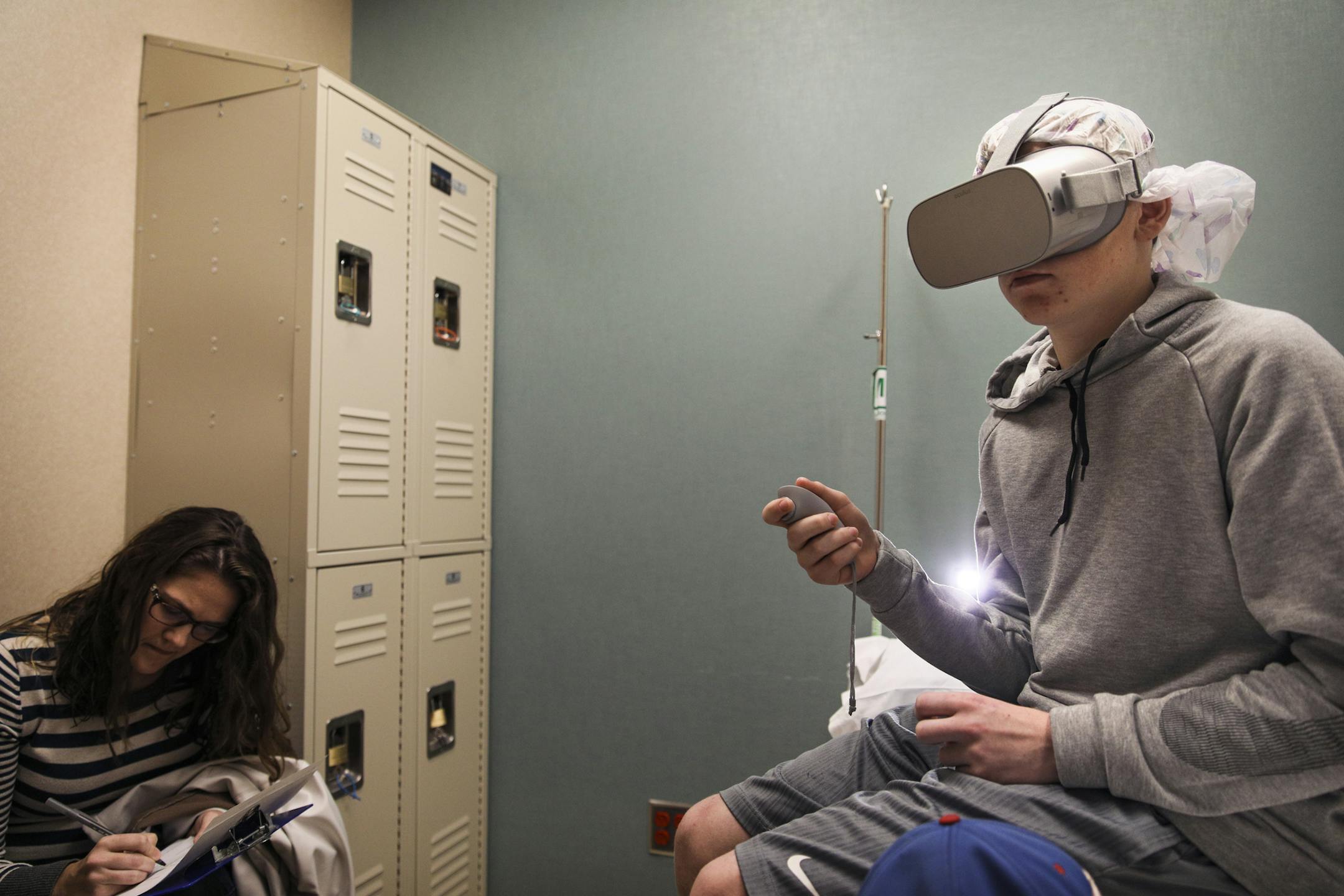
So, in her memory, Cao sought a solution: something that would save other children from suffering the same anxiety. The result is an app that syncs with virtual reality (VR) goggles, providing children interactive simulations of MRI scans before they go through the real ones. Gillette Children's Specialty Healthcare in St. Paul now offers it to all children scheduled for the scans.
Rapid advances in VR technology have produced many new ideas for hospitals. Gillette also uses goggles loaded with imagery and games to distract children during needle pokes and drug infusions.
It made particular sense in preparing children for imaging, because it can be a noisy, disorienting and lengthy experience if they don't know what to expect, said Shannon Wier, a Gillette child life specialist.
"I had one kid who thought he was going to get sucked up in the MRI" because of tales his friends told, she said.
Studies over the past two decades have reached different estimates about the number of MRIs halted because of patients' anxiety or claustrophobia, but they generally link the problem to the tight confines of scanners and the jarring noises they make.
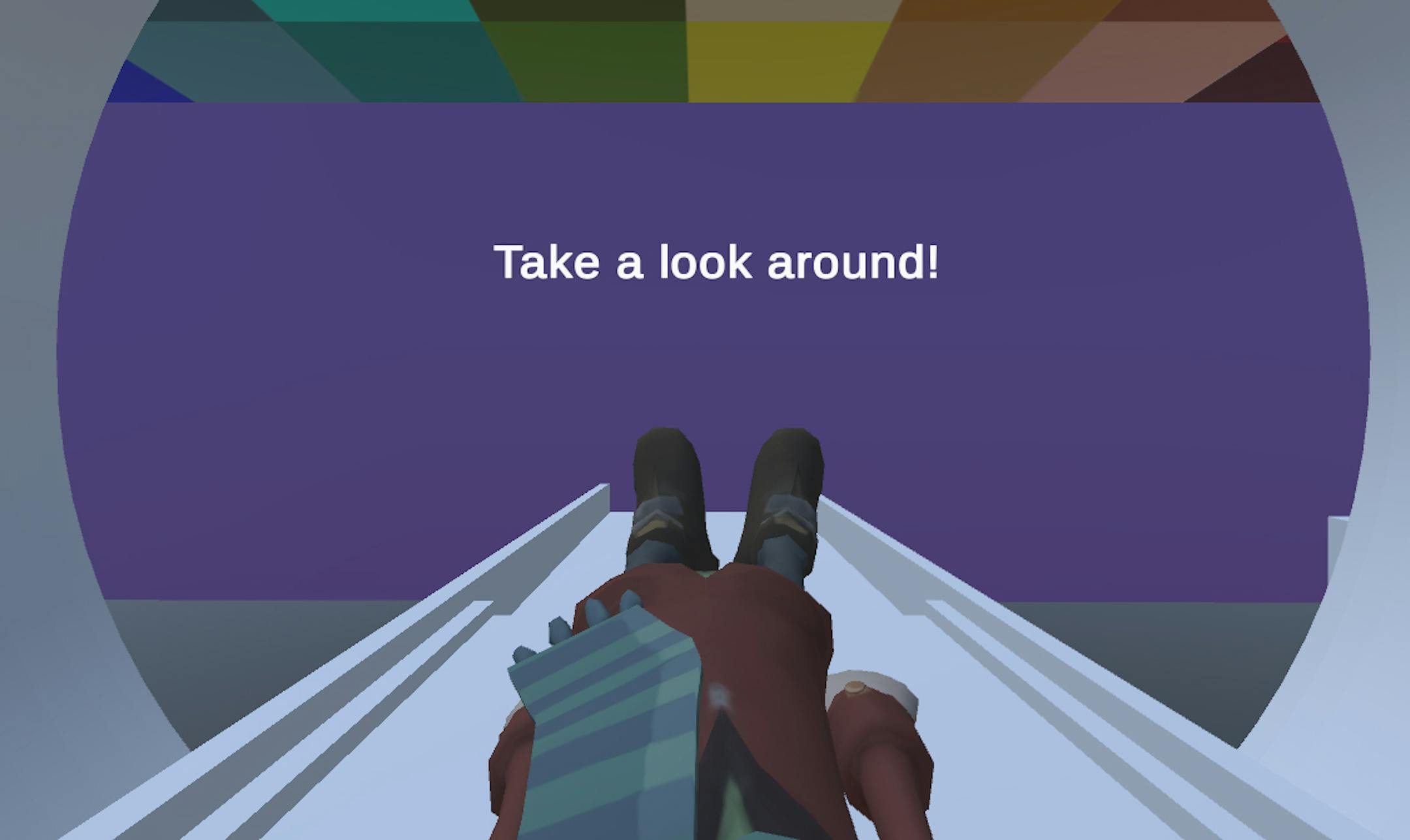
![MRI Technician Briana Jacobson prepares Ryan Ohmann for his 40 minute MRI. ] Upset at watching how his sister struggled during MRI scans, a Mounds View teen created a virtual reality program that acclimates children to the sounds and cramped environment of these scanners before they actually go into them. Gillette Childrens in St. Paul now use the VR program routinely.
BRIAN PETERSON • brian.peterson@startribune.com
St. Paul, MN 10/10/2018](https://arc.stimg.co/startribunemedia/5KUGOKZKIG5SJS6MI3DPCB7WVA.jpg?&w=1080)


