

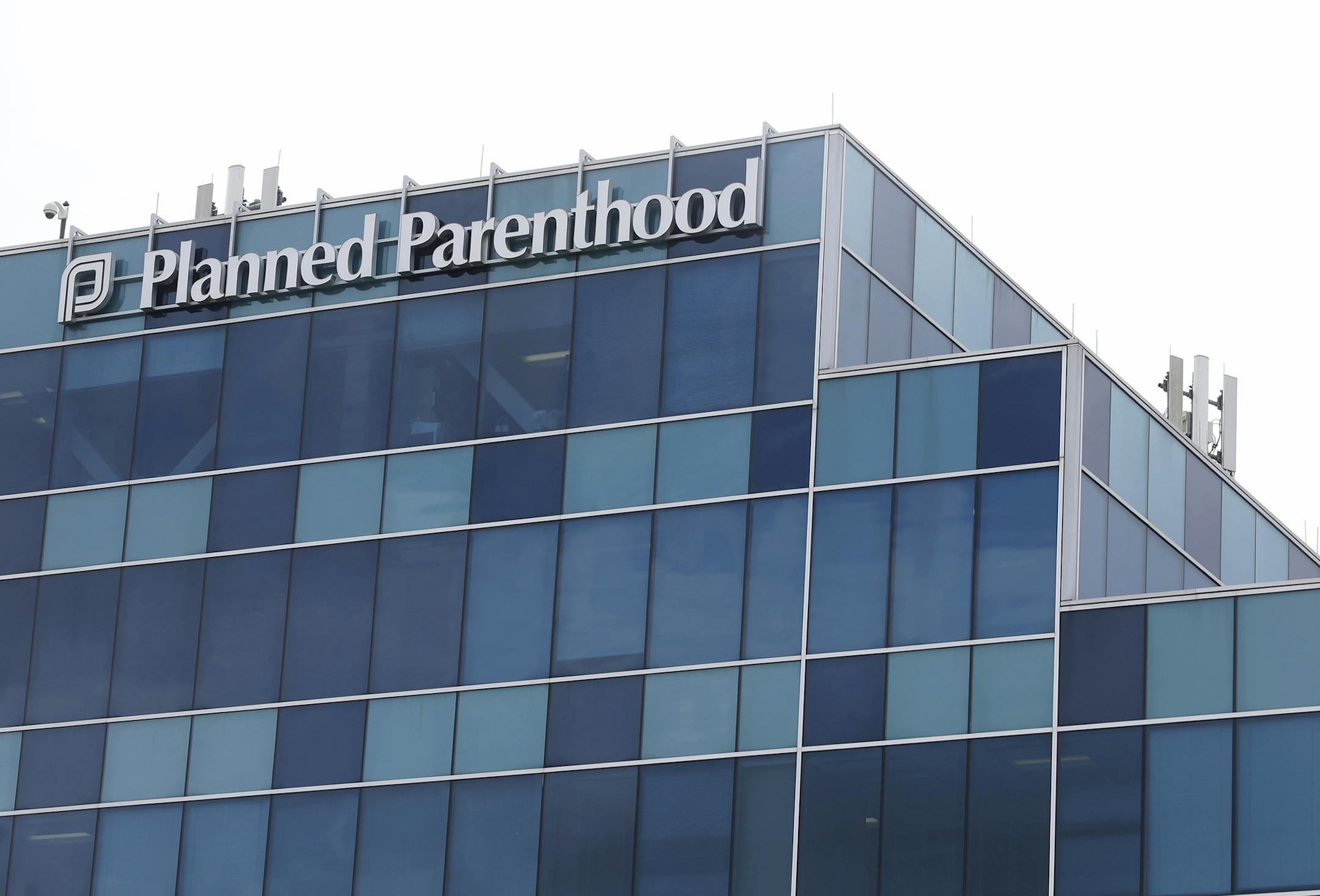
ST. LOUIS – Angelica Thompson was working part time and earning her college degree in genetics when she got a serious boyfriend. Thompson sought care at the campus health clinic, where she chose a hormone implant under her skin that prevents pregnancy for up to three years.
Able to stay on her mother's insurance plan, she paid nothing for the implant, which can cost up to $800.
Now 23 and saving money for nursing school while working at Starbucks, Thompson replaced the implant — two months ahead of schedule — because she's unsure what changes lie ahead for her health care after Donald Trump is inaugurated as president Jan. 20.
Thompson said the new implant should last as long as Trump's term.
"The idea of 'we'll wait and see' is disconcerting to a lot of women," she said. "My partner and I, we are 23 years old. We are not ready to have a child. We have professional goals we want to accomplish."
During his campaign, Trump promised to "repeal and replace" the Affordable Care Act, which uses subsidies to help the poor get health insurance. The legislation mandates coverage for preventive health care such as cancer screenings, Pap tests, mammograms and birth control with no out-of-pocket costs.
Republican legislators have said repealing the Affordable Care Act will be among the first priorities after Tuesday, the first day of the new Congress.
A loss in contraception coverage is on many women's radar, compounded by worry over Cabinet appointees who are unlikely to enforce the birth control coverage mandate in the meantime or support public funding programs for contraception.


