CHICAGO – When John Gedwill's family outgrew its suburban Chicago home, he didn't consider looking for a bigger place.
His memory of the housing crash a decade ago was still too fresh.
"Real estate isn't the greatest investment," said Gedwill, an electrician who lost money on a condo during the crash and watched many people go through similar experiences.
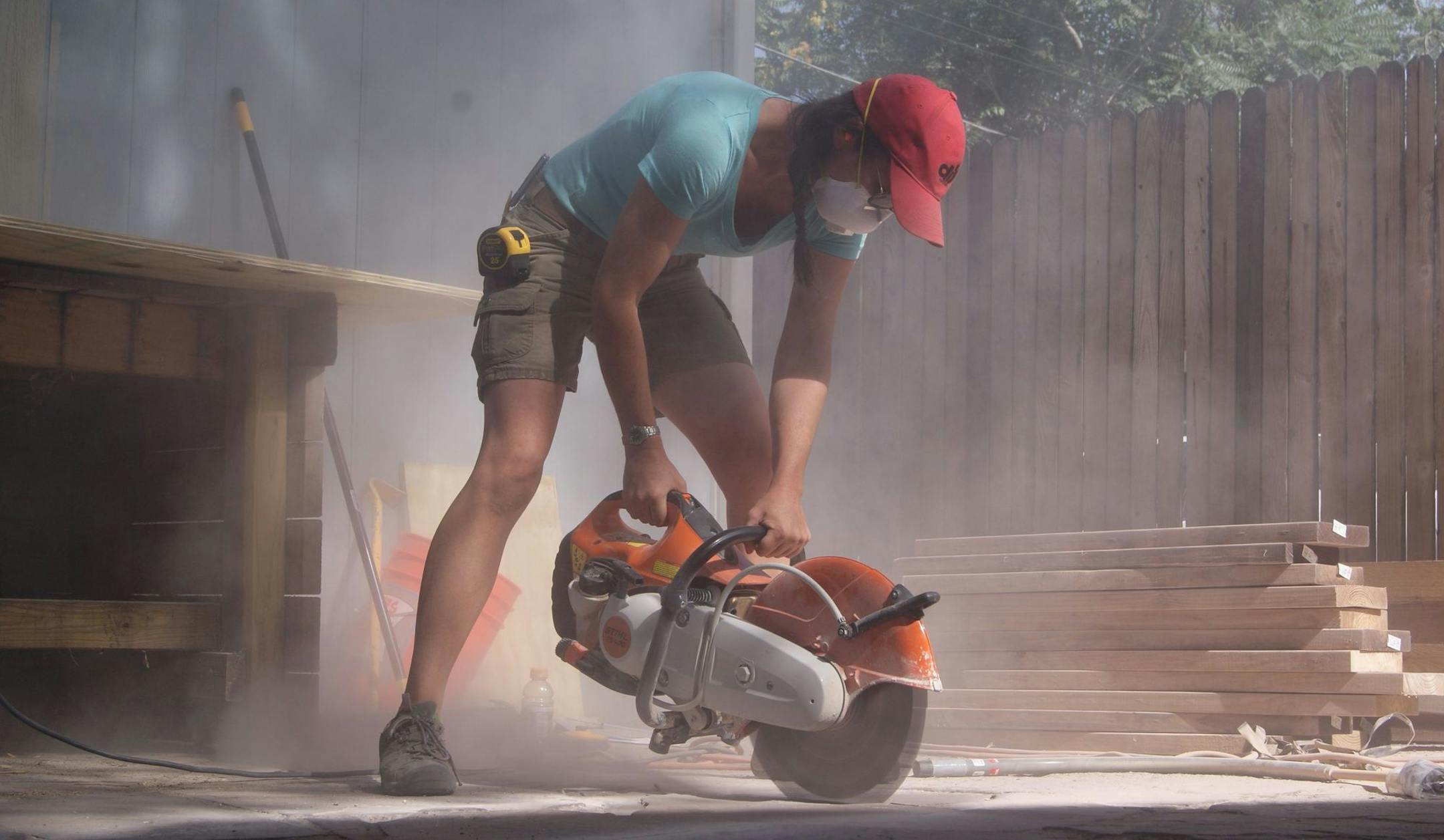
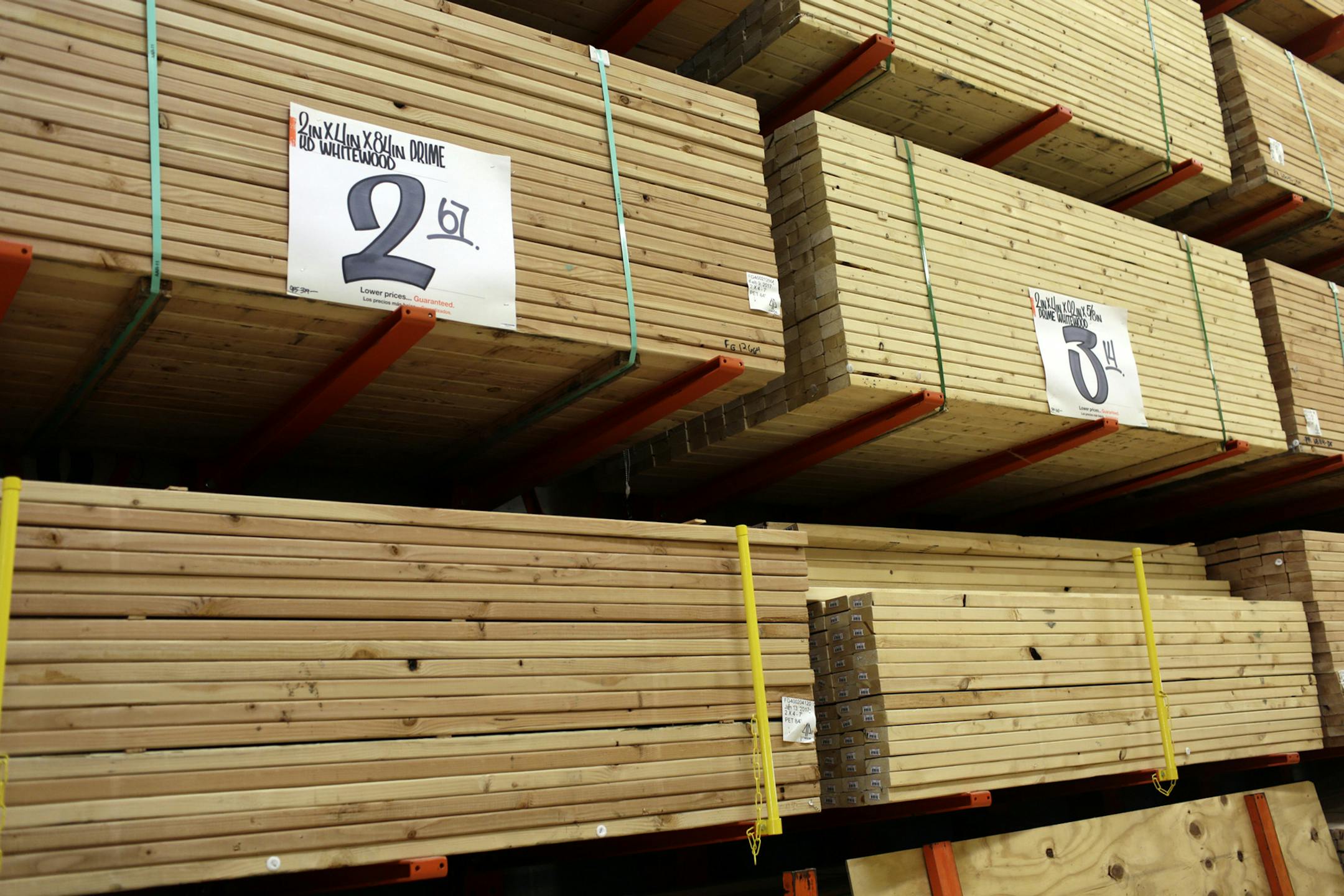
So instead of shopping for a new house, Gedwill decided to build what he calls "a man cave" in the basement of the three-bedroom house he bought eight years ago. "If you can stay in the same place, with the same mortgage, that's the way to do it," Gedwill said as he and his two teenage sons shopped for lumber for a project aimed at making their house more comfortable for the six-person family. "You just add on when you can afford it."
Gedwill's mind-set is common among those who owned homes during the crash, and it's a factor in the still-dysfunctional housing market, according to market analysts.
Before the crash it was common for people to buy starter homes, stay in them five or six years, and then move up to a larger place as their family grew or the home became outdated.
Now, according to research, homeowners are eager to hold on to the low mortgage interest rates they were able to get after the crash, and they are leery about taking a chance on a move. Many also lack the financial wherewithal to upgrade to a larger, pricier home. They own houses that have not recovered enough of their value after the crash to generate the down payment needed to buy a new place.
The percentage of homeowners moving up to their next home is the lowest in 25 years, said Todd Tomalak, vice president of research for John Burns Real Estate Consulting. Instead of moving, people are deciding to make starter homes permanent and are expanding and repairing them for the long term, he said.