

On most nights and weekends, the activity center attached to St. Michael-Albertville High School is bustling. Runners and walkers circle the track at the indoor fieldhouse while basketball, wrestling, volleyball or even tennis occupies the six sport courts below.
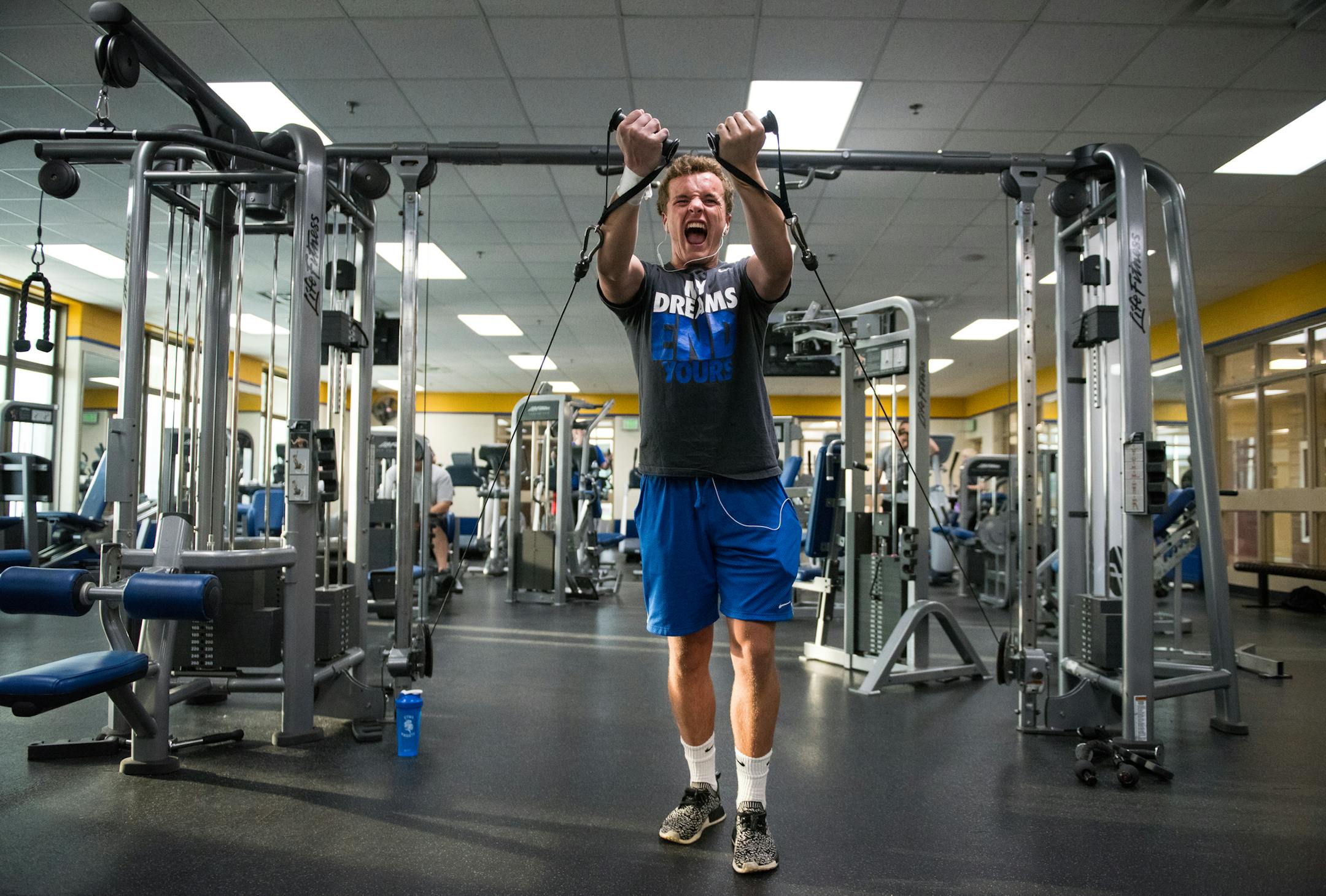
The fitness center, which boasts a weight room and exercise equipment that would be the envy of many major colleges, attracts a mix of student-athletes and community members. Baseball and softball batting cages are available for year-round training.
There's more to come. Voters in the St. Michael-Albertville School District recently passed a $36 million bond referendum, with more than $20 million for athletic upgrades that include a 4,000-seat all-purpose stadium with field turf and a nine-lane track that will be covered by an inflatable dome for use during the winter months.
Such facilities growth is not unique to the district on the northwest edge of the Twin Cities. School districts across the metro are building newer and larger athletic facilities, usually with a multimillion-dollar price tag attached.
What is changing is how these venues are viewed.
Bringing in revenue
No longer just places to house their school's teams, they are being seen as revenue generators, available to local youth organizations, club sports teams and just about any organization willing to pay the rental fees.
"When we built our new high school almost 10 years ago, one of the big questions was how much access to give to the community," St. Michael-Albertville athletic director Keith Cornell said. "Opening up the six courts and the running track to the community was a selling point."
In an escalating arms race, high schools are becoming de facto community centers and hubs for athletics at all levels.


