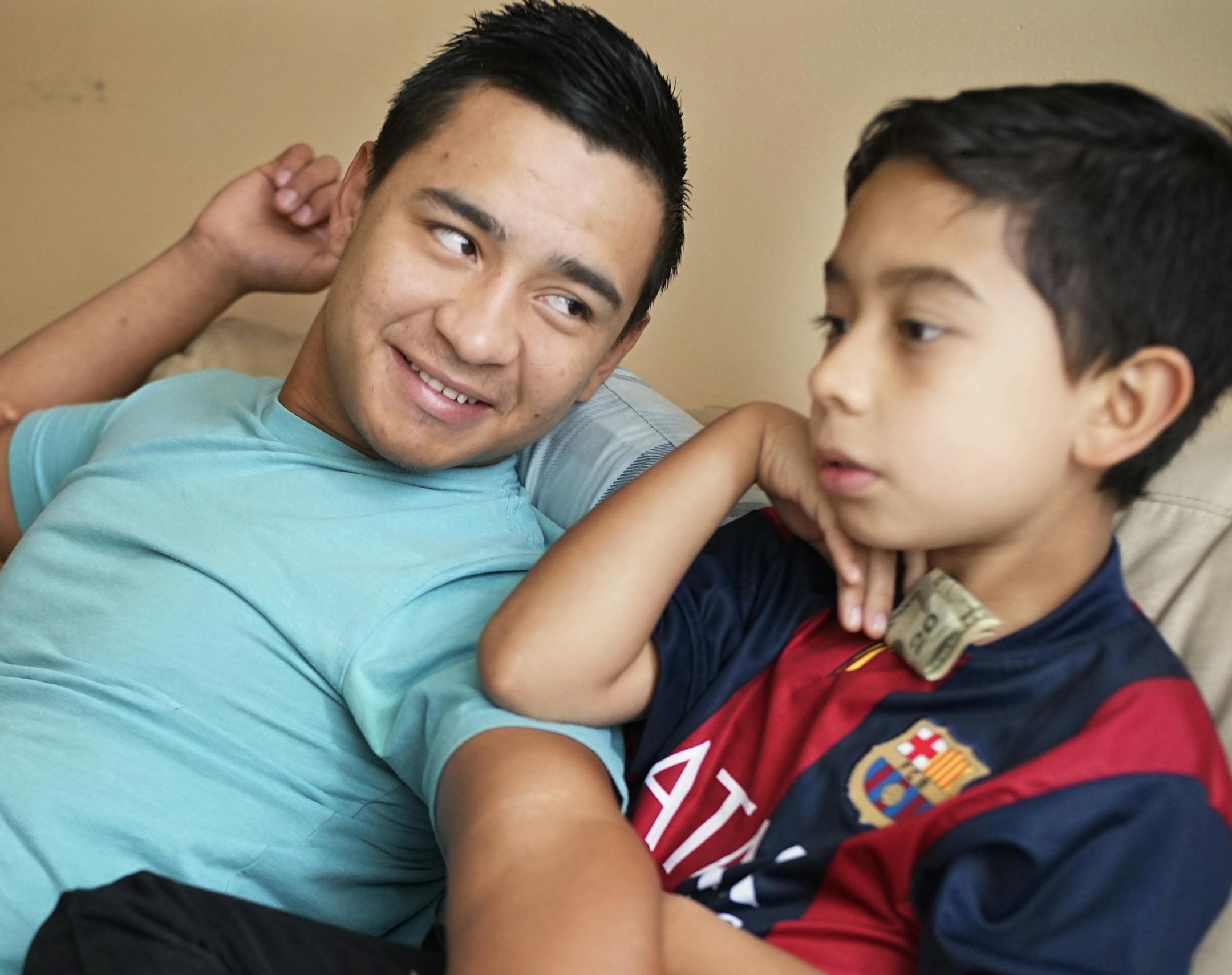
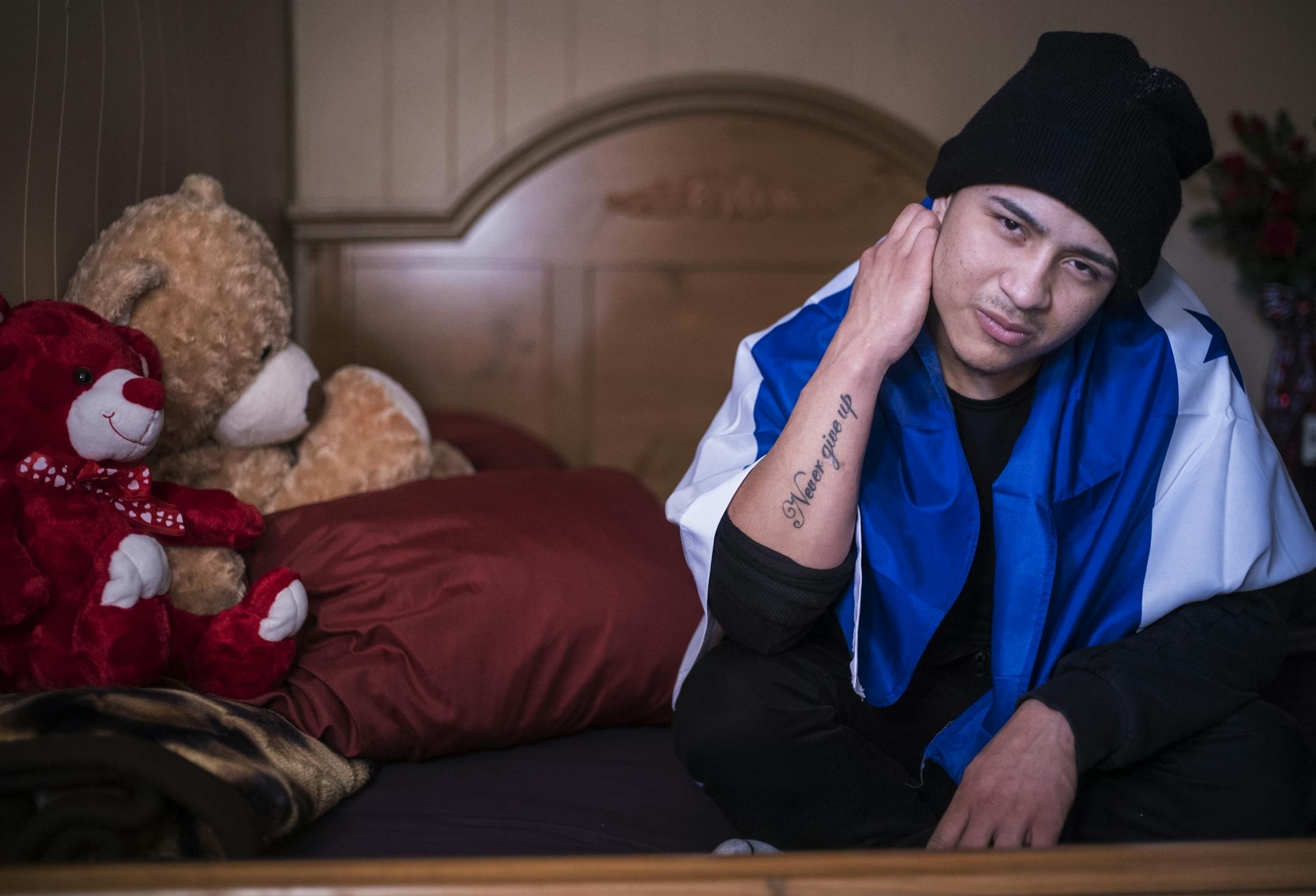
A 16-year-old Elder Leiva crossed the U.S.-Mexico border in late 2014, unsure of what awaited him beyond the Rio Grande. Even as he settled with an aunt in Minnesota and enrolled in high school, one all-important question lingered: Would he get to stay?
For many of the 1,000 Central American unaccompanied minors who've joined relatives in this state since 2014, the answer to that question has been yes. Some won asylum. Many more obtained legal status through a visa program for abused and abandoned children that involves appealing to local courts. A major increase in applications for that program has led to an unprecedented backlog.
"For children who were able to get an attorney, the outcomes have been very positive," said Rebecca Scholtz, who until recently represented minors at the nonprofit Mid-Minnesota Legal Aid.
Now, the Trump administration is weighing major changes: More minors could be subject to speedy deportation, and parents in the United States who pay smugglers to ferry their children north could face criminal charges. Already, fewer unaccompanied minors are arriving at the U.S. southern border — down from 7,350 in November to fewer than 2,000 in February.
Leiva, whom the Star Tribune profiled in 2015, came amid a dramatic surge of unaccompanied minors, propelled north by gang violence and poverty in Central America. He had left Honduras two years earlier, working along the way to save money for his passage.
An aunt in the Twin Cities agreed to host Leiva while he waited for an immigration court date, granted to minors from countries other than Mexico and Canada under a federal anti-trafficking law. He enrolled in Minneapolis' Wellstone High School, which specializes in serving English learners. He met a Legal Aid attorney who took on his case.
"So many people have helped me since I got here," Leiva said.
At first, the unaccompanied children's prospects looked murky.