

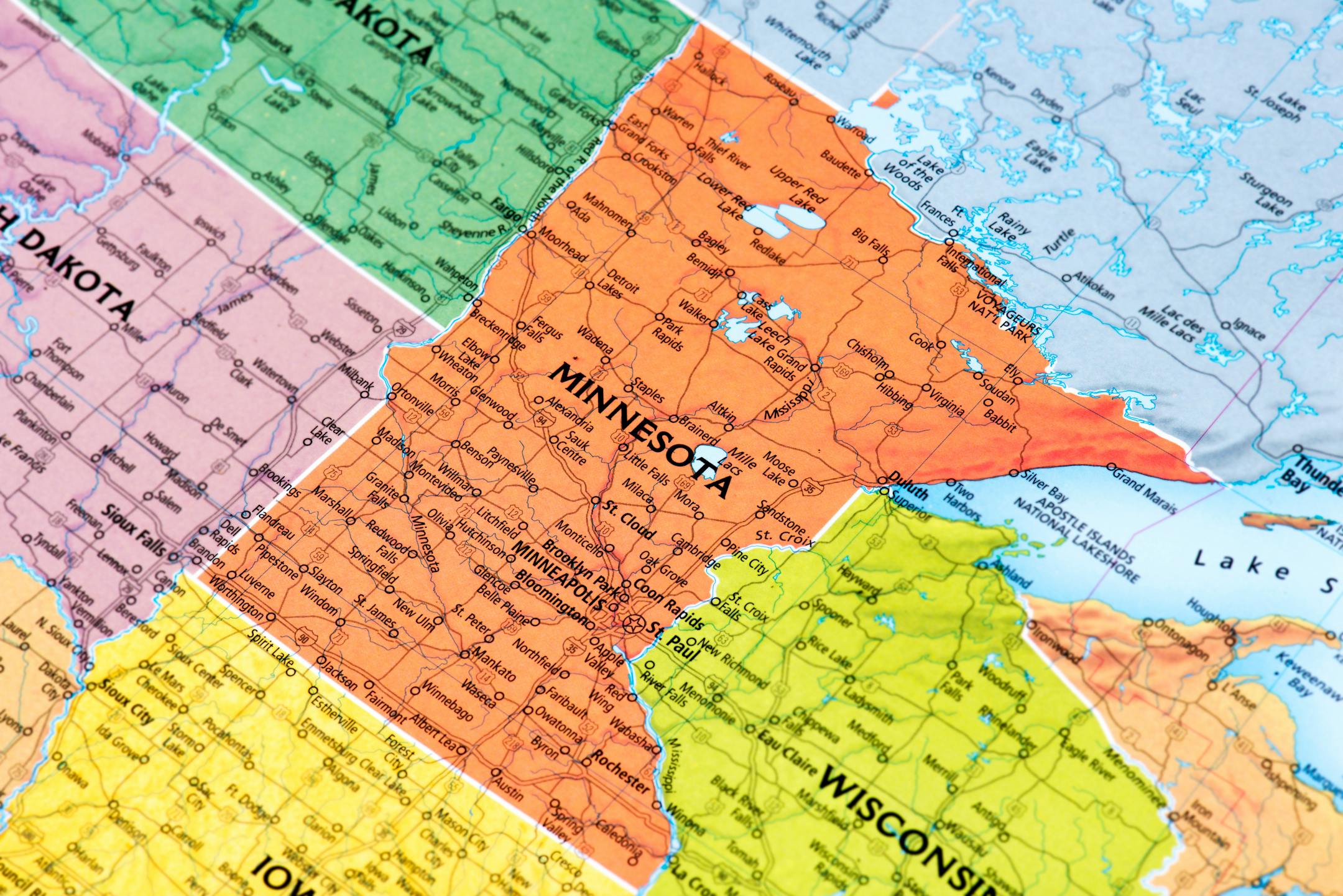
As Minnesotans look toward the August primary and fall general elections, we must critically consider who and what we are becoming.
How do we envision the next Minnesota? How will we combine the hopes, dreams and goals of those who live in our most urban communities, those who see themselves as suburbanites, those who reside in midsize cities (what planners call regional centers) and, finally, those who live where I grew up, in rural Minnesota?
Without a shared commitment to success for one Minnesota and for each and every Minnesotan, our state risks fracturing and becoming what we do not want: a community with a single government but divided and estranged in every other way, economically, socially, politically.
We are already on the path to being a divided state. An analysis of political representation in the Legislature is stunning in the stark separation of areas represented by each of the leading political parties. The same is true of a macroeconomic analysis of the state. One finds economic vitality in much of the urban area and in many of the regional centers. Unemployment rates are at record lows, business expansions are the norm, housing markets are hot and construction projects are underway on every third block in downtown Minneapolis and St. Paul.
New college graduates are finding job opportunities calling even when they might have preferred a few months off after graduation. Things seem to be going pretty well for many of us. But (there is always a but) …
We need to take a closer look — or perhaps I mean a more distant look. For me, driving home to where I grew up stirs deeply mixed feelings these days. I love rural Minnesota, but it's sad to see many of our smallest towns struggling to stay relevant. Once-vibrant main streets have been reduced to secondhand stores, bars and small cafes. Rural schools put children on buses for hours each day as many counties have only one, two or three consolidated school districts where there used to be six or seven.
The average age of the residents in these towns is 10 to 15 years older than in large cities and suburbs. And, most unfortunately, rural residents spend far too much time thinking about the past, where they have been and what they have lost, rather than focusing on the future, where they are going and what new opportunities they are pursuing.
My hope is that this election season will bring a discussion among citizens and candidates about a new "Social Contract for Rural Minnesota." It would be a vision of our state that honors the values and respects the contributions of each region of Minnesota and each and every person who lives there. It would mean a recognition among all candidates that partnering and collaborating with one another is the only way to brighten the prospects for all Minnesota.


