

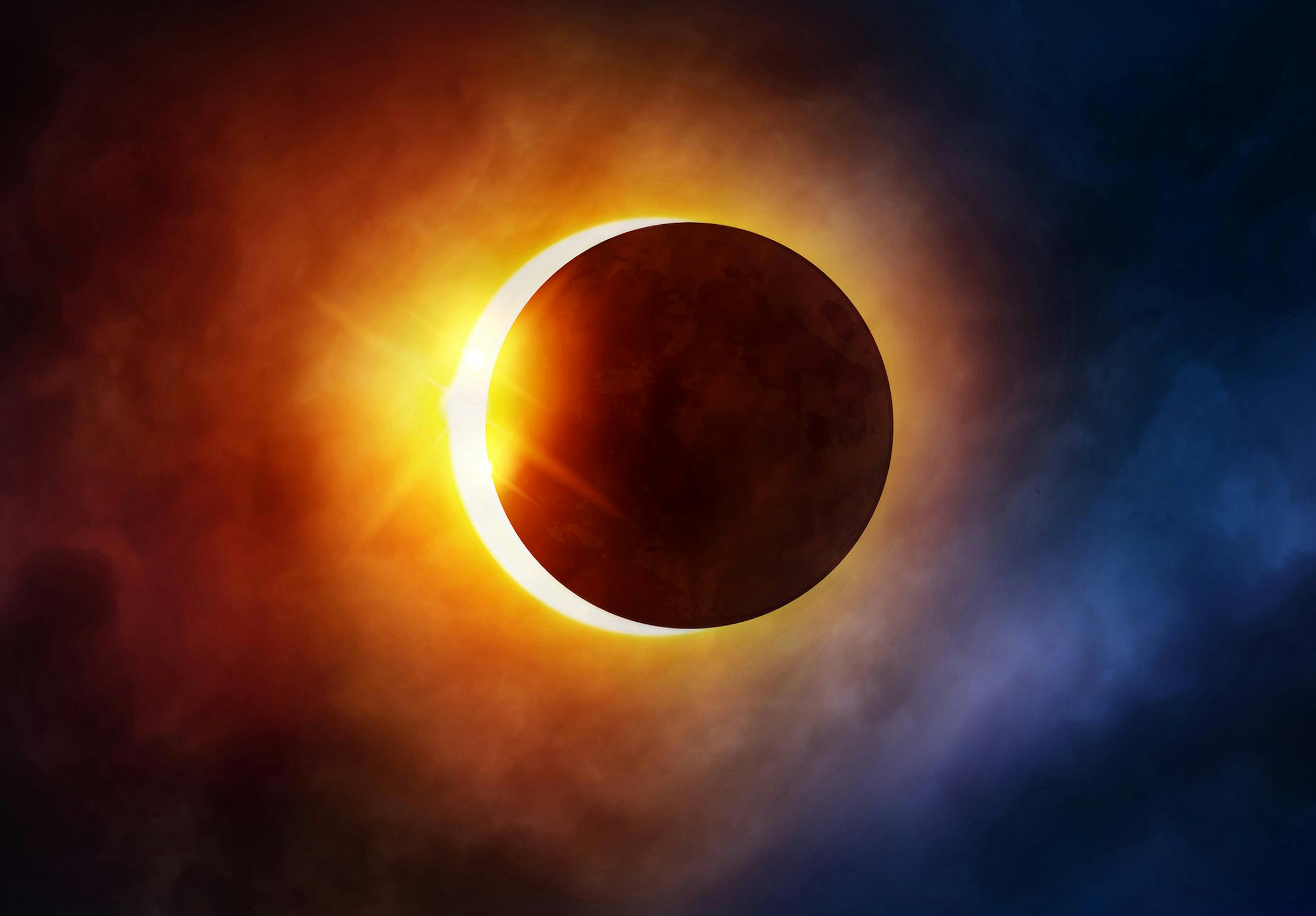
Dave Williams has never seen a total solar eclipse. With any luck, that'll change Monday.
The former director of the planetarium at St. Cloud State University organized a caravan of more than 20 astronomy obsessives from central Minnesota to travel to the front lines of the eclipse for the experience of a lifetime.
All told, they'll be in the car 16 hours to Nebraska and back to witness 2 minutes and 34 seconds of eerie darkness as the moon makes its miraculous journey in front of the sun. During those moments when the earth goes dark, the temperature drops, birds stop chirping, insects go quiet, the stars and planets come out to shine in the middle of the day, and the coronal plasma — that glowing ring around the sun — becomes visible.
"I've seen movies of this, I've read information, I've talked to people," Williams said. "I want to experience this firsthand."
Whether they've had reservations for years or just threw plans together, scores of scientists, filmmakers, amateur astronomers, families and groups of friends from the North Star State are traveling to witness this rare phenomenon. They're among the more than 200 million Americans who live in day-trip distance of a 70-mile-wide band that stretches from Oregon to South Carolina. It's only within this band, called the path of totality, that you can see the eclipse's full power.
Minnesotans who stay home may still see a partial solar eclipse, with the moon covering about 80 percent of the sun. But we have a chance to see a couple of those every decade. The last time a total solar eclipse was visible in the state was 1954. And it won't happen again until 2099.
That's why so many are willing to sit in potential gridlock traffic, pay massive hotel bills and parking fees, brave cell tower overloads and disrupt their work week to observe what's come to be called the Great American Eclipse.
"You have to move to see it," said Mike Day, executive vice president of the Science Museum of Minnesota. "You can't stay at home and wait for these things."


