Most signs suggest the Minnesota Zoo is on a roll. Attendance is setting records. Membership and fundraising are at all-time highs. New exhibits are winning national awards the old zoo never dreamed of.
But the zoo's senior staff arrives for work each morning thinking, "Ugh."
Contaminated water oozes across an ugly parking lot and fouls the zoo's central lake. The main entrance -- never meant to be that, and not looking like one today -- is invisible. Inside, it's dark and low-ceilinged, with endless walks to anything resembling an animal, save for the snow monkeys' bleak, stained pit. The nocturnal exhibit is simply closed and empty.
Thanks to an influx of money from the state, almost all of that is about to change.
"We're not knocking 'er down and starting over," said director Lee Ehmke, standing on the decaying surface of what was once envisioned as a lively central plaza. "We're building on the base of what was constructed here in the 1970s. But it will feel like a completely new experience."
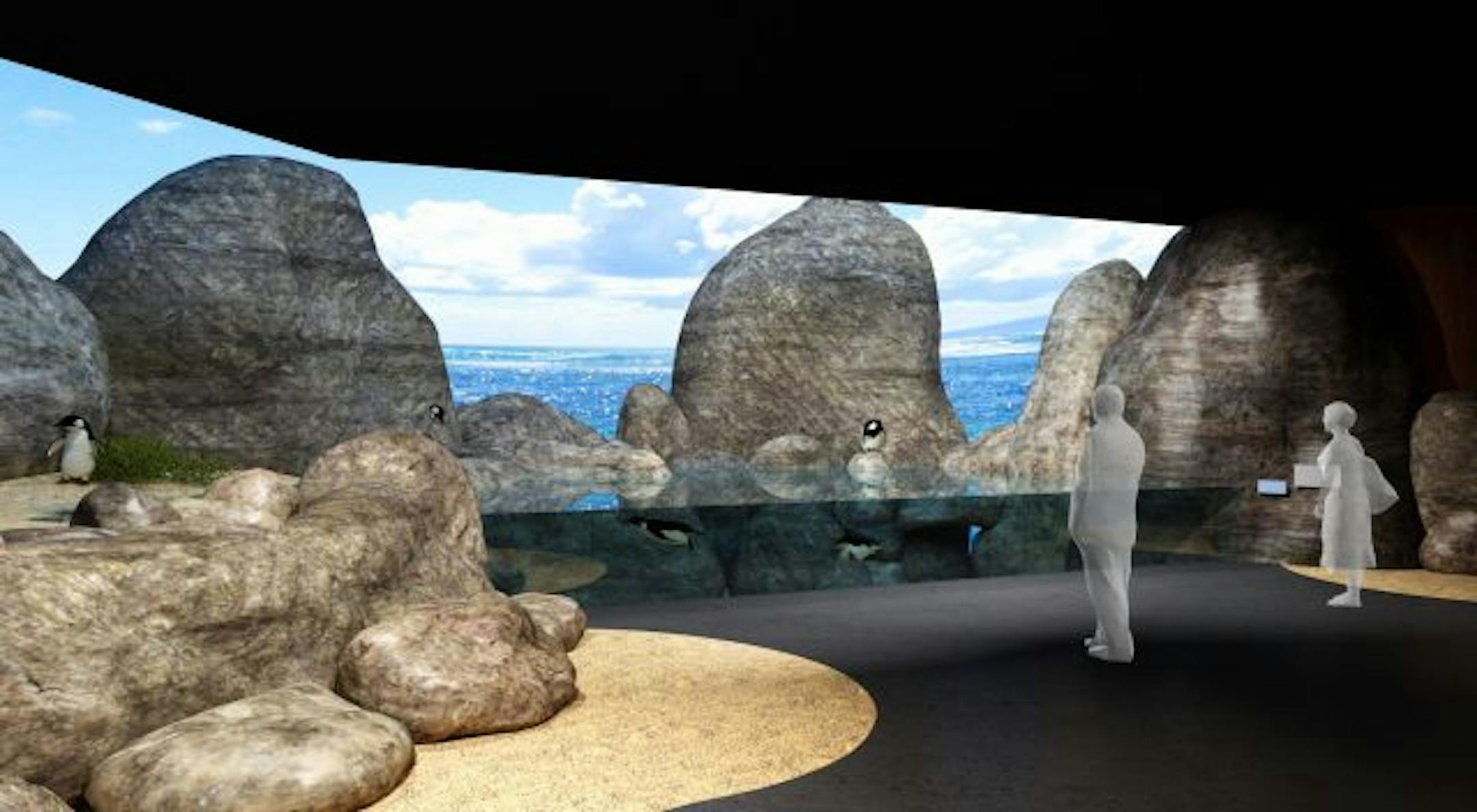
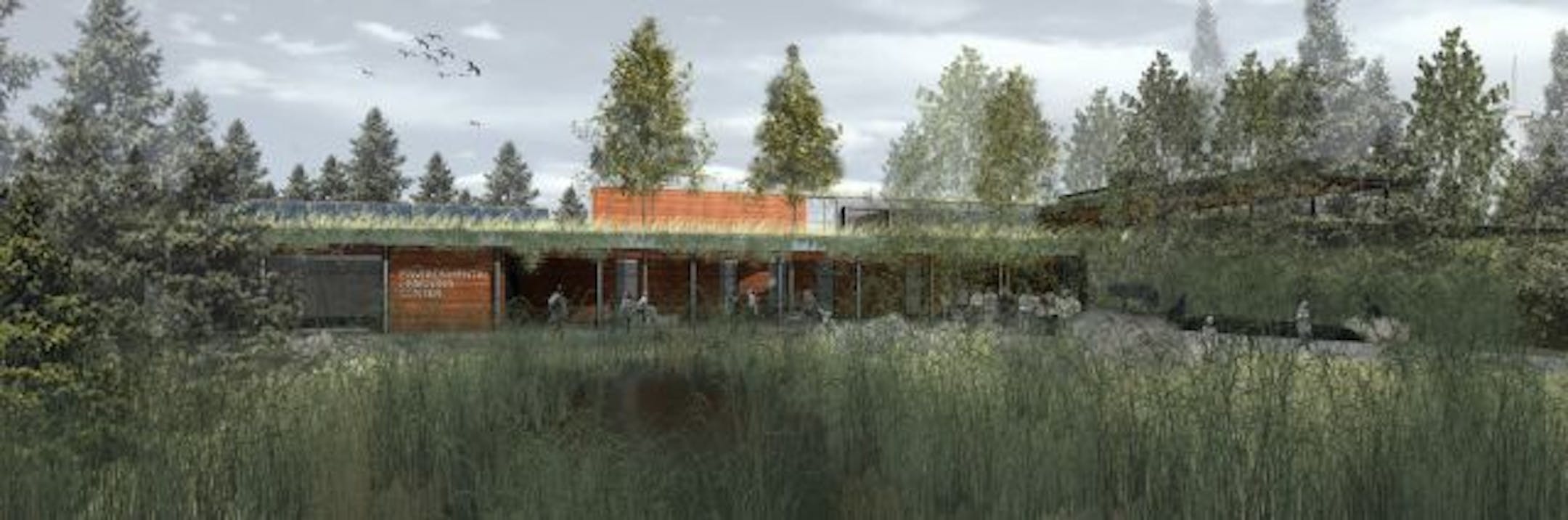
Zoo supporters hope their $21 million share of the state capital projects bill, signed by Gov. Tim Pawlenty last week, is just the beginning of a three-phase makeover that will cost more than $70 million, counting private contributions. The so-called "Heart of the Zoo" plan aims to mostly replace the central spine of the 32-year-old facility and start afresh. The price tag will be higher than what it cost to build the zoo, which opened in 1978.
The changes come despite the zoo's own consultants warning last fall, after taking discreet political soundings, that "legislators don't agree it is essential or urgent for the state."
Worried, the zoo created its own grass-roots support system, Minnesotans for a Great Zoo, which attracted more than 1,000 members, many of whom dashed off letters or e-mails to politicians. "You're seeing more and more of that," said Himle Horner principal Todd Rapp, who delivered the warning last fall.