3:25
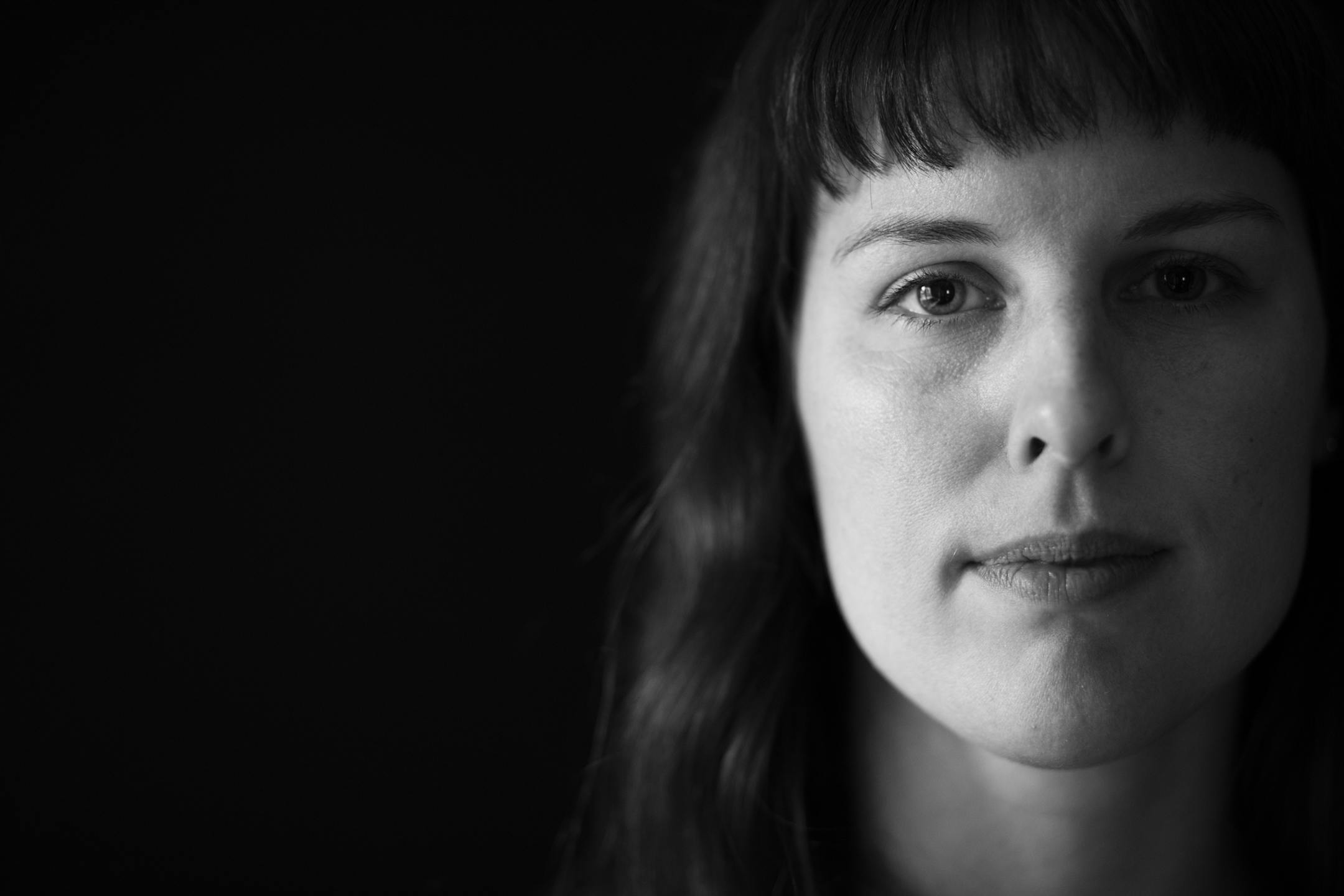
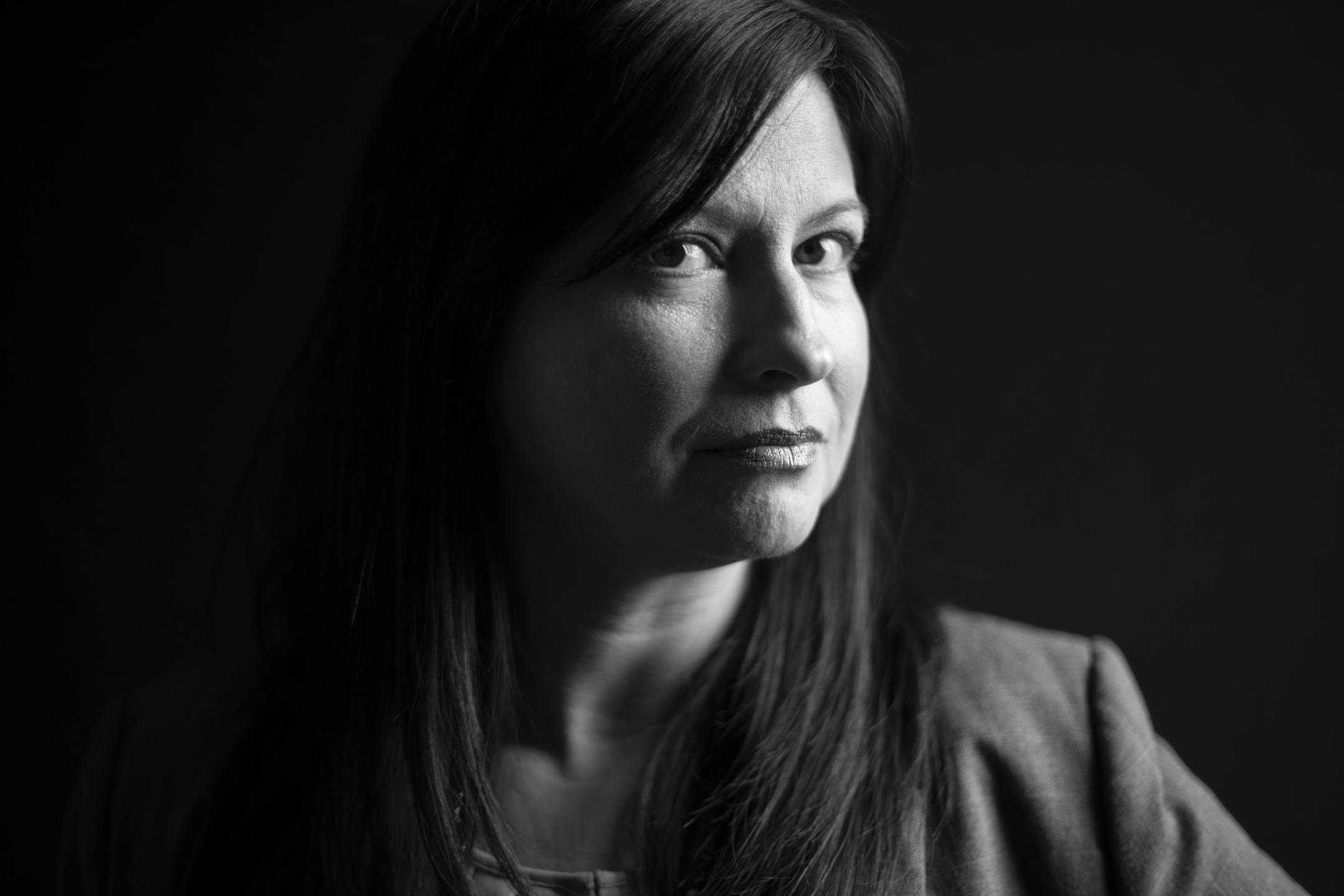
3:25When Sarah Super saw the #MeToo posts start climbing into the millions, she was overwhelmed and excited all at once.
"I thought, 'Oh, my gosh, it's really finally happening,' " she said. "Breaking the silence has a ripple effect."
Super, a Minneapolis yoga instructor, had experienced her own #MeToo moment of sorts two years earlier, when she talked publicly about being raped by her ex-boyfriend.
"When I told my story, I unconsciously gave others permission to tell theirs, who unconsciously inspired others to tell theirs, and so the hashtag #MeToo very much resembled the experience I had on a much more personal level here in the Twin Cities," she said.
But even as the #MeToo movement has led so many to tell their stories, it's also shown how sexual violence continues to be excused and normalized in the United States, Super said.
"Helping people heal from these traumatic events in many ways will require a massive shift in our culture," she said. She's optimistic that the shift will come, but doesn't know how long it will take.
The movement didn't begin a year ago.
New York activist Tarana Burke created it more than a decade earlier as a way to connect with fellow survivors of sexual harassment or assault. It became a hashtag — and an international phenomenon — last October when actress Alyssa Milano reacted to the news of producer Harvey Weinstein's fall from grace by tweeting: "If you've been sexually harassed or assaulted write 'me too' as a reply to this tweet."