

It's an off-year election, but school districts around Minnesota have some big questions for voters to consider when they head to their polling places on Nov. 5.
More than 30 districts are looking for voter approval to take on debt for major building and remodeling projects. That includes White Bear Lake Area Schools, which is seeking to pass what would be the largest school bond in state history, at $326 million. Elsewhere, more than 40 districts, some of them facing major growth — or decline — in enrollment are hoping voters will renew or increase the size of their local operating levies.
With just two weeks to go until Election Day, district officials and referendum supporters are making the rounds, holding public meetings and dropping in on community groups to make their case. Many are telling voters that they're feeling strained by stagnant state funding; even though the Legislature this year approved a 2% increase to the state's school funding formula, district leaders say it wasn't enough. Most say they are challenged by growing special-education costs that are only partially funded by the state and federal government, and trying to keep up with maintenance and upgrades on aging buildings — and make them more secure.
Scott Croonquist, executive director of the Association of Metropolitan School Districts, said support for local school funding varies widely across communities. But he suspects more voters are coming around to the idea that districts have to turn to local voters if they want to meet students' needs.
"I think there is a pretty good understanding among the electorate that referendums are really just part of how we fund education in Minnesota," he said.
Several of the districts looking for extra funds, or to expand their facilities, are in the midst of an enrollment boom — or expecting one in the near future. That's the case in White Bear Lake, where district officials expect to see their numbers surge by 2,000 students over the next decade.
Superintendent Wayne Kazmierczak said housing turnover in some parts of the district and rapid development elsewhere has created an enviable problem: too many students filling up the classrooms and hallways of many of the district's buildings. If voters approve the bond, the district has plans for renovations and upgrades in every building, plus the construction of a new elementary school in Hugo.
Meanwhile, the bond would allow the district to resolve a long-term issue: its split-campus high school. Since the early 1980s, ninth- and 10th-grade students have attended school in one building, and 11th- and 12th-graders in another, about 5 miles away. The district estimates that owners of an average-priced home ($275,000) would pay an additional $23 per month, or about $280 per year.

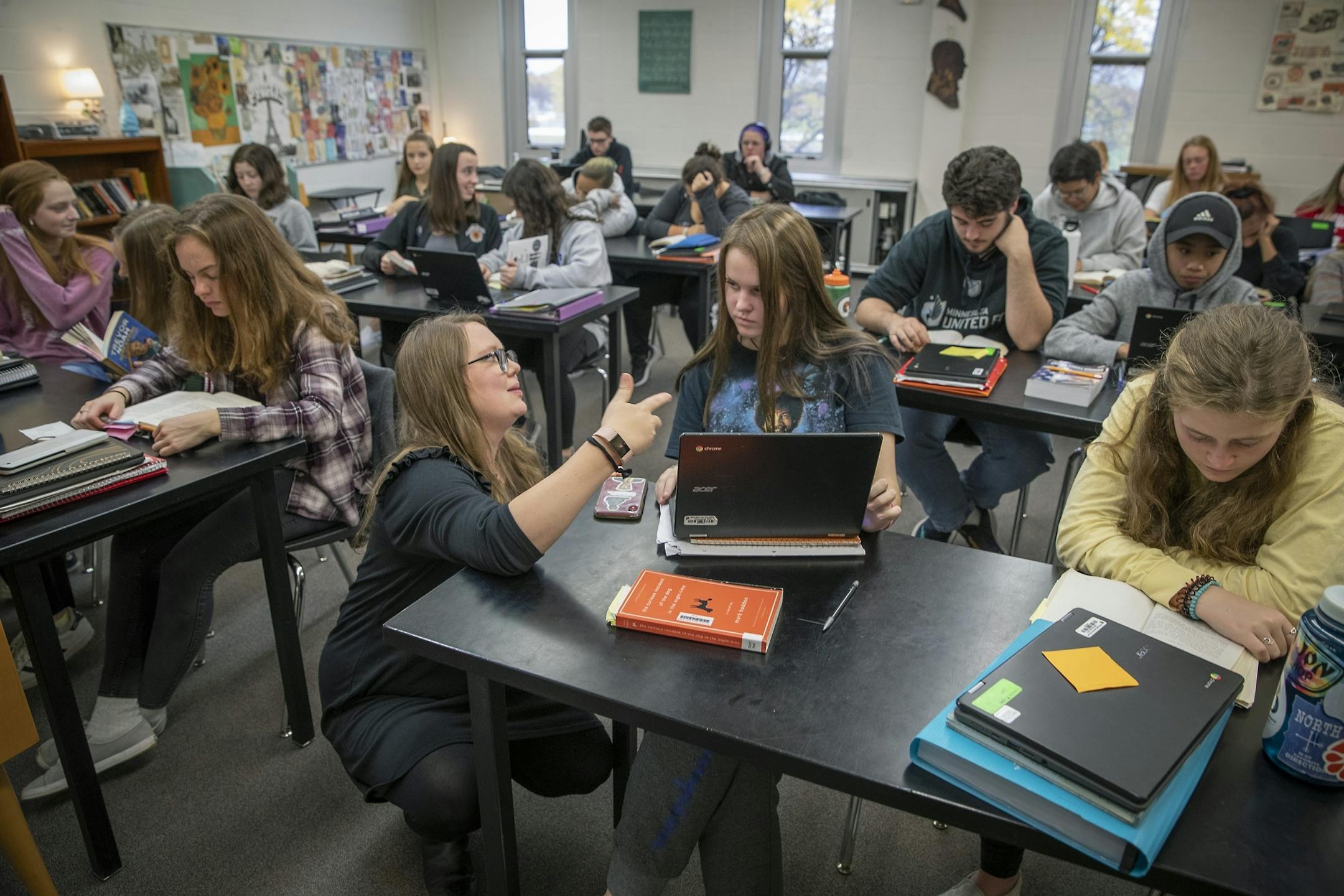
![White Bear Lake North High School's Katelin Held, worked with students in her Language Arts class, Monday, October 21, 2019 in White Bear Lake, MN. ] ELIZABETH FLORES • liz.flores@startribune.com](https://arc.stimg.co/startribunemedia/MBO2OBSXSZY7Q4Q335UYMJIJTI.jpg?&w=1080)
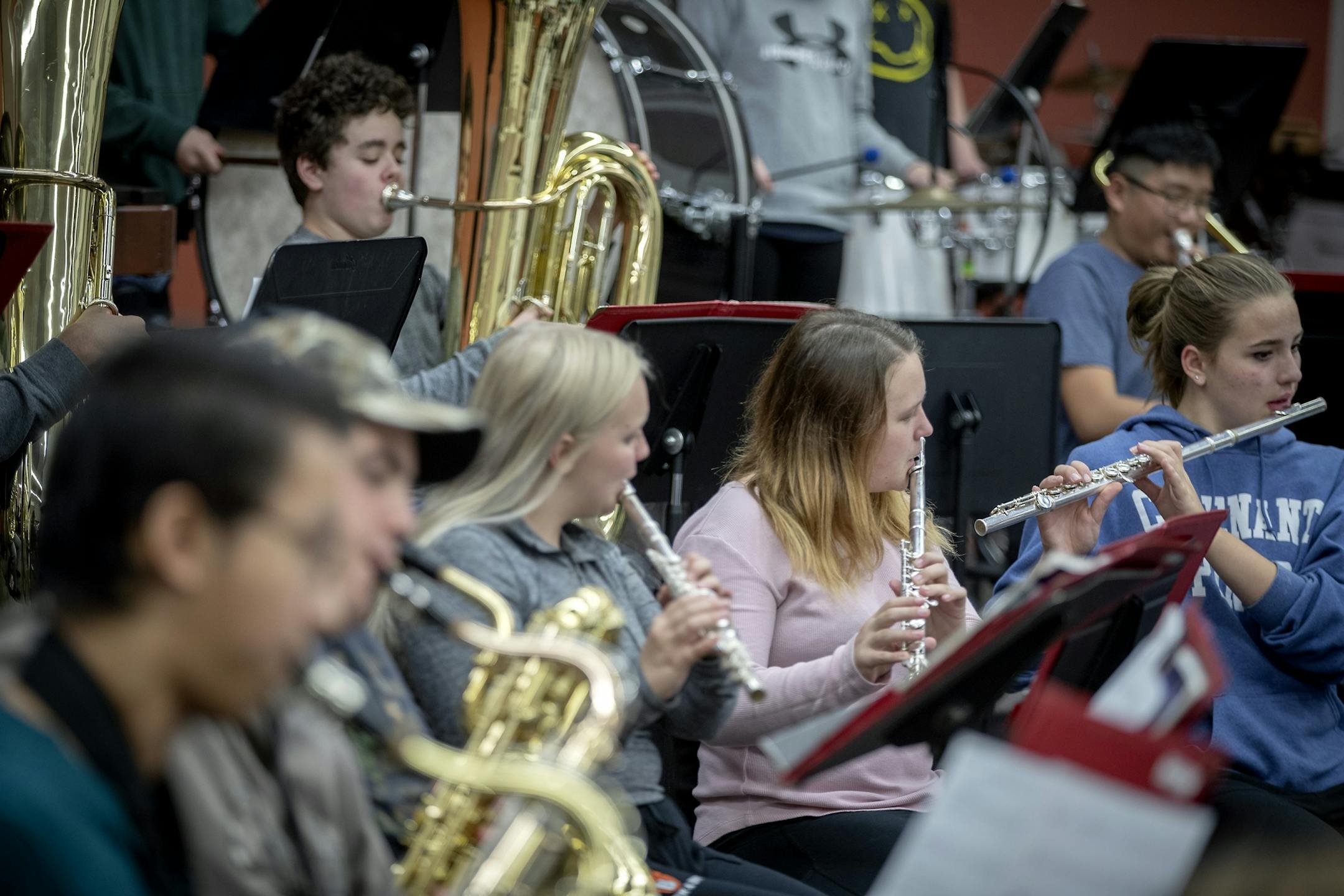
![Many White Bear Lake North High School students work in rooms that do not have windows, Monday, October 21, 2019 in White Bear Lake, MN. ] ELIZABETH FLORES • liz.flores@startribune.com](https://arc.stimg.co/startribunemedia/5BFTBUXKJMSSP75PIK2QWJSB7U.jpg?&w=1080)


