

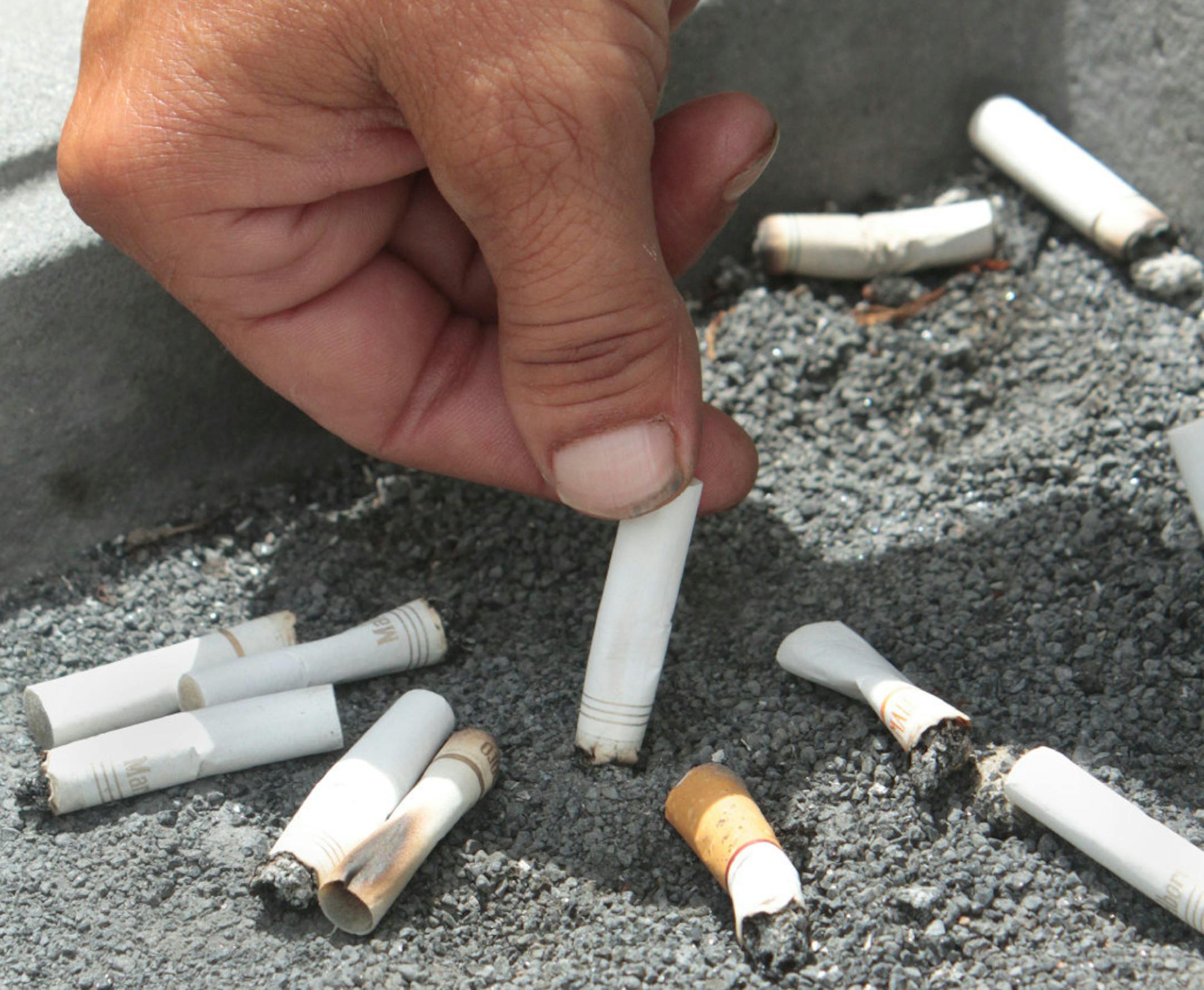
Smoking among Minnesota teenagers has dropped to an all-time low, and other risky behaviors such as sexual activity and marijuana use are continuing a steady long-term decline.
At the same time, the number of teens reporting emotional or mental health problems has risen sharply, and teen use of tobacco and alcohol show persistent gaps along lines of race and income.
But overall, the latest Minnesota Student Survey, released Tuesday by the Department of Health, paints an encouraging picture of the state's adolescents, public health officials said.
"Youth tobacco use is a harbinger of long-term good health," said Laura Oliven, tobacco control manager for the Health Department. "If we can prevent youth from smoking by age 18, we have a much better shot at preventing them from becoming long-term smokers."
Minnesota's youth-smoking numbers match national statistics showing steep declines from peak levels in the late 1990s.
The survey, which is conducted every three years, also found that students generally gave high marks to their own health and said they felt safe at home, at school and in their neighborhoods.
They also felt highly engaged in school, with nearly two-thirds of respondents involved in out-of-school activities at least three days a week. It also found a sharp drop in use of indoor tanning devices by teen girls, following a ban for teenagers adopted by the Legislature.
While the trends are generally positive, disparities still exist for students of color, students living in poverty, American Indian and gay, lesbian or bisexual students. And in a sign that "vaping" is catching on, twice as many 11th-graders admitting to using e-cigarettes as those who lit up a traditional cigarette.


