

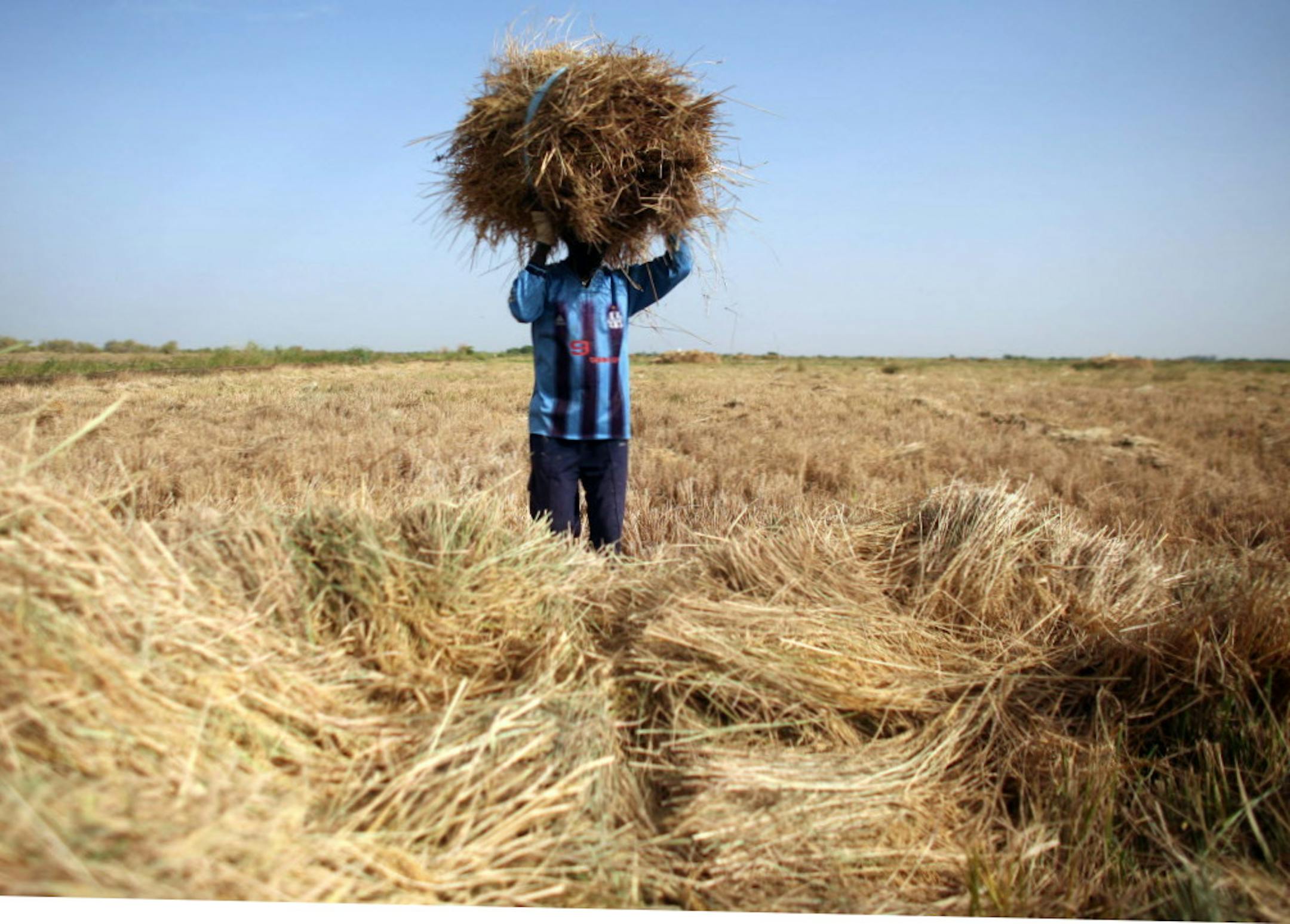
I am just back from Senegal, a country rich with history and culture. Some may know that Senegal was also the primary hub of the West African slave trade, which involved more than 20 million slaves and lasted more than 300 years. Since its independence from the French, Senegal has remained a peaceful and stable economy, but it has also remained a poor one. Like many of the nations in sub-Saharan Africa, it lacks available clean water and basic infrastructure. More than half the population lives on less than 2 dollars a day, mostly in the rural areas.
More than 550 million smallholder farmers around the world, including in Senegal, are suffering because they lack access to innovations that already exist elsewhere or could easily be designed, distributed and adopted.
As I see it, Minnesotans and Americans have a responsibility to tackle global hunger, malnutrition and poverty targeting people and places like Senegal that have a real need for our help. This state's nonprofits and business/agricultural sectors have a tradition of reaching across the ocean to make a difference.
As it has historically been in Minnesota, agriculture is the primary sector in Senegal and most African countries. Small farmers do the bulk of the work across the continent, and they are cultivating small plots, only 2 to 12 acres of land. They grow millet, sorghum, peanuts, rice, beans, tomatoes, onions, melons and other tropical fruits as part of their traditional diet. Yet because of extreme drought and the lack of availability and access to basic inputs, tools, infrastructure and markets, small farmers are left doing things the way they have done for centuries. This includes all of the laborious work after harvest to prepare and process food with a mortar and pestle, which clearly limits productivity and the ability for farmers to move much beyond small plot production and small-scale processing.
Farmers in very remote areas spend the majority of their days bent over in the hot sun. They have to prepare all the food they consume just as many of our ancestors here in Minnesota and the U.S. did. They have little time, money or space for education, starting a business or picking up a new hobby.
When it comes to harvesting and processing food, Senegalese women do 90 percent of the work. And, between collecting water and firewood, tending the field, transforming the crops into food, cleaning up and taking care of the children, they spend almost their entire day working. Female farmers are the most marginalized and vulnerable in the rural sector, and by not changing this, we put children and families at risk. We also lose an opportunity to strengthen economic opportunities for the other half of the population.
Unemployment is high in Senegal and in many other developing countries. People want to work, but they need paying jobs.
Minnesotans and Americans can help to tackle global hunger, malnutrition and poverty by targeting people and places like Senegal that have a real need for our help.


