

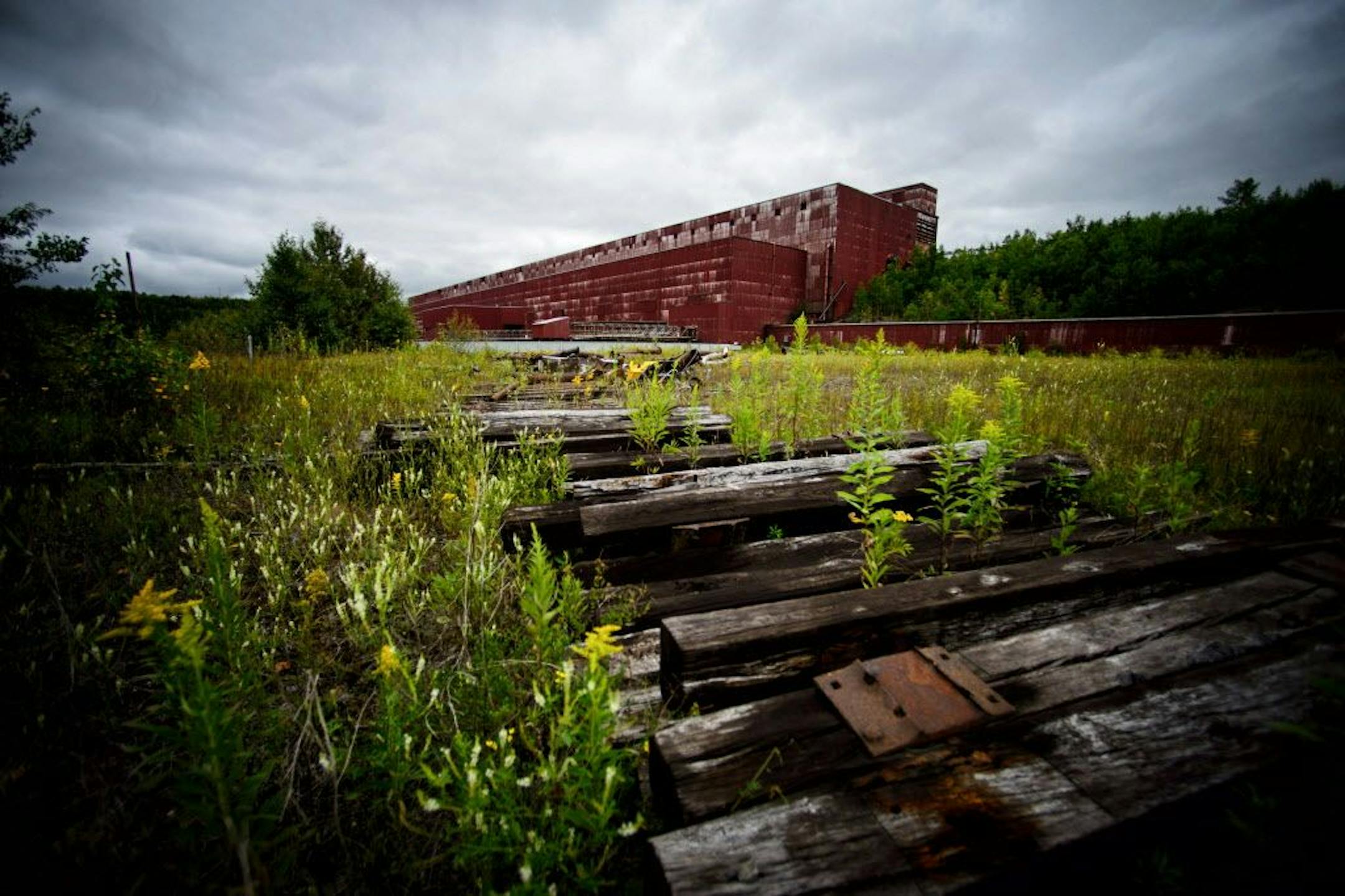
Minnesota's first copper-nickel mine cleared its final hurdle with state regulators Thursday, while federal officials opened a path for a second mine just outside the Boundary Waters Canoe Area Wilderness.
Proponents hailed the decisions on the projects, the most significant in a generation for northern Minnesota, as key to reviving the state's struggling mining industry, adding jobs and providing an economic boost to the region and state. Opponents, however, assailed the decisions, saying the mines will jeopardize clean water and some of the state's most pristine wilderness areas.
Both sides are still waiting on a wetlands permit from the U.S. Army Corps of Engineers for the PolyMet Mining Corp. project.
While Thursday's actions by state and federal officials appear to open the door for copper-nickel mining, the fight may just be moving to the courtroom.
Early Thursday, the Minnesota Pollution Control Agency announced that it had approved final air and water permits for PolyMet's $1 billion mine and processing plant. Hours later, the U.S. Department of the Interior announced it will begin the process of renewing mineral leases for the proposed Twin Metals copper-nickel mine on the edge of the BWCA near Ely.
Both projects are highly controversial because copper-nickel mining poses greater environmental risks than the iron and taconite mining that have been part of the state's history. Copper-nickel operations produce sulfuric acid and generate heavy metals and other pollutants. This runoff, sometimes called "acid mine drainage," can contaminate lakes and streams.
Pete Stauber, newly elected congressman in Minnesota's Eighth District, said the state's review shows that PolyMet will meet or exceed every environmental standard and deserves to move forward.
"This will bring about $520 million of economic activity to northeastern Minnesota every year for a minimum of 20 years," he said. That compares to last year's Super Bowl, which brought about $505 million in economic activity, he said. "This is like bringing the Super Bowl to northeastern Minnesota every year."


