

A few observations about a good year in Minnesota business, as the national economy slows in this 10th year of recovery.
• The Minnesota economy continues to grow modestly. A record number of Minnesotans are at work. Wages are rising. Small business starts are positive, and the state projects a $1.5 billion budget surplus for the 2019-2020 biennium.
• We also should be concerned. Minnesota's economic growth of less than 2 percent is hamstrung by too few workers to meet the demand of employers as baby boomers retire and businesses continue to expand, albeit modestly. The long-term trends are positive, but the national economy may slide into recession, thanks partly to trade wars, contradictory policies and financial-market dives since summer.
Minnesota exports were up 8 percent to $23 billion in 2017. However, the trend is softening. And farmers are stuck with commodities they can't sell to China. Business angst is growing.
• We're leading in clean energy. Minnesota has proved we can grow while using less juice, and cut pollution, including greenhouse gases.
Minnesota once imported almost all its energy, including coal, oil and gas to power its fleet, buildings and utilities. Now, the state boasts a growing renewable sector, including biofuels. We generate a quarter of our electricity from renewables. We have created thousands of jobs in wind, solar and related technologies.
The state's largest utilities, prompted by the Next Generation Energy Act of 2007, already are surpassing the goal of 25 percent renewable energy by 2025. Xcel Energy, the nation's biggest utility provider of economical wind energy, has a goal of producing 85 percent of its energy carbon-free by 2030.
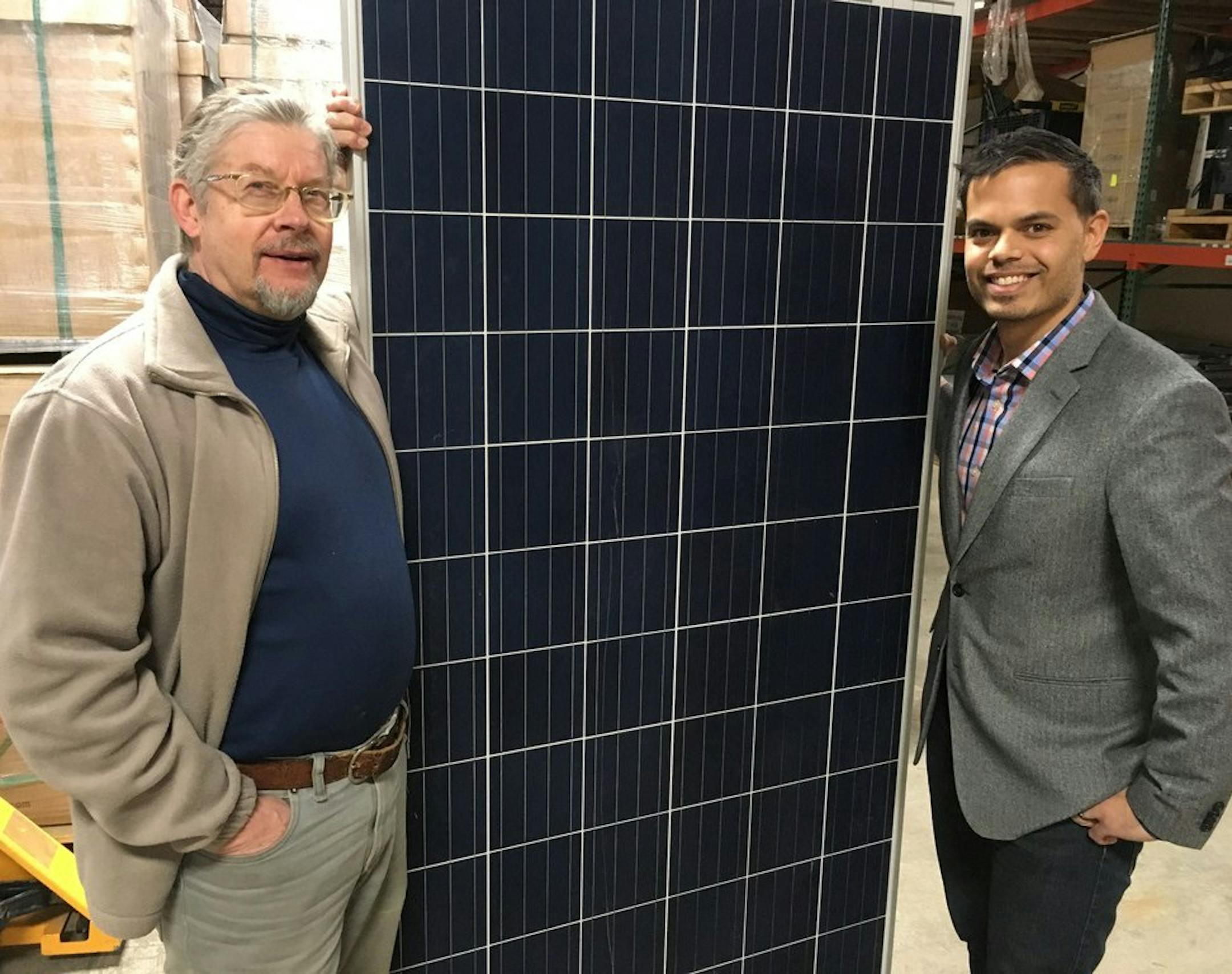
Homegrown outfits such as IPS Solar of Roseville, founded in 1991, also have seen a boost.


