

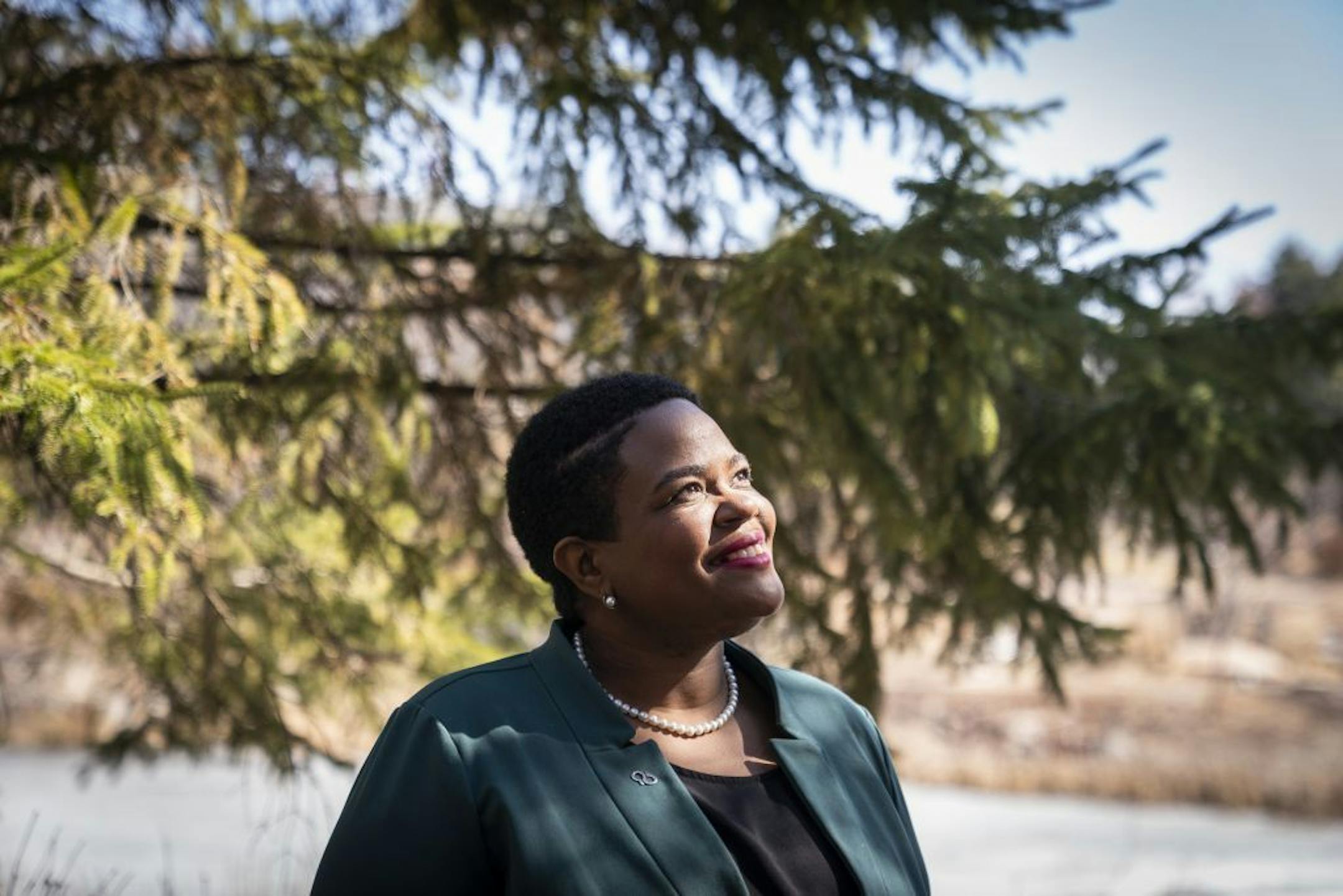
Cindy Kaigama knows firsthand the challenges of caring for a loved one with Alzheimer's disease. She walked alongside her father from diagnosis to wrenching end-of-life experiences. Now regional health systems director for the Alzheimer's Association of Minnesota-ND, Kaigama is making sure care for everyone's family member and friends is timely and top-notch. The wife of a Nigerian immigrant and mother of two, the public health leader came to the organization after years of advocating for better health outcomes for marginalized communities, particularly around diabetes and heart disease. She talks about a new program showing promise in training health professionals in the growing field of dementia diagnosis and care.
Q: Let's start with the scope of the Alzheimer's challenge.
A: The number of Minnesota residents aged 65 and older currently living with Alzheimer's is 99,000. That number is expected to jump to 120,000 by 2025. Alzheimer's is now the fourth leading cause of death among Minnesota seniors, up from sixth just one year ago.
Q: And we can't sugarcoat the reality that front-line providers feel largely ill-equipped to diagnose and treat the disease.
A: A newly published report from the Alzheimer's Association revealed a dramatic need for more training to help primary care physicians and others meet the growing number of cases of Alzheimer's and dementia. The report found that 90% of primary care physicians expect to see an increase in people living with dementia during the next five years but only 50% say the medical profession is prepared to meet this demand. Nearly one-third report that they are "never" or only "sometimes comfortable" answering patient questions about Alzheimer's or other dementias. Fifty-one percent said there are not enough options for continuing education and training.
Q: Enter Project Echo, which is?
A: It's a national, virtual health training program that educates clinics on several disease topics including dementia. We offer Project Echo to primary care providers. The goal is to increase their confidence and knowledge about Alzheimer's and dementia. Through video conferencing, we bring in experts who cover diseases causing dementia, signs and symptoms, the needs of caregivers, advanced-care planning and end-of-life issues. They present cases of real patients which adds depth to the education. We offer the training twice a year for six months over the lunch hour, which includes 12 continuing medical education credits. And it's at no cost to health systems. (alz.org/mnnd).
Q: Who is participating so far?


