Most every wine enthusiast knows about Robert Mondavi, the Virginia, Minn., native who became a world-famous vintner and ambassador for the Napa Valley.
But another Minnesotan might have had just as deep an impact on America's most renowned wine region. Al Brounstein launched the state's first winery dedicated to a single grape — cabernet sauvignon — and became the first California vintner to charge — and get — $100 for a bottle of fermented grape juice.
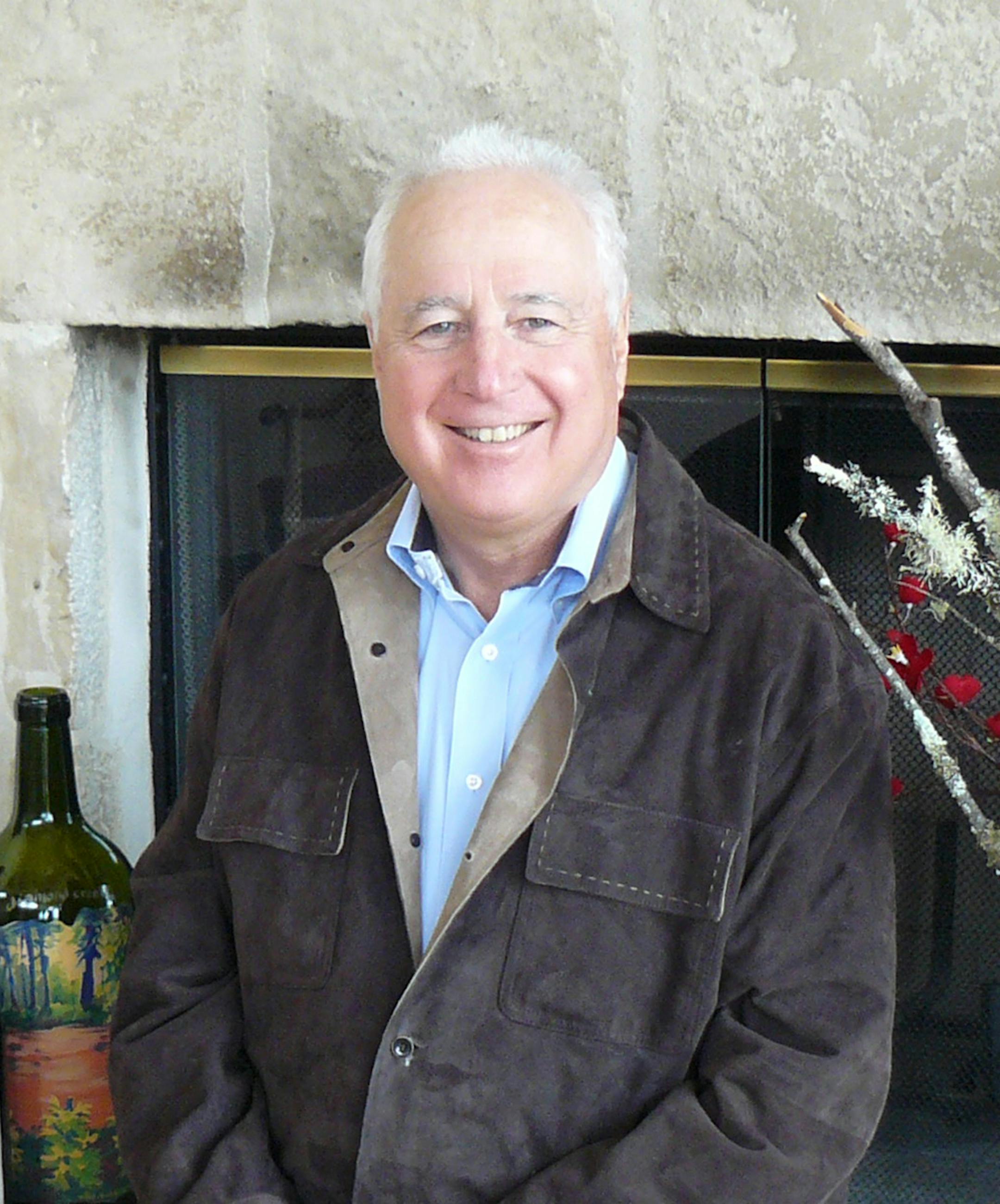
Brounstein died in 2002, and Diamond Creek Vineyards now is run by his sprightly widow, Boots, and her son Phil Ross. And the wines remain coveted, not to mention truly distinctive, intense but elegant (with several years' aging), robust and very much evocative of the truly special ground from which they sprang.
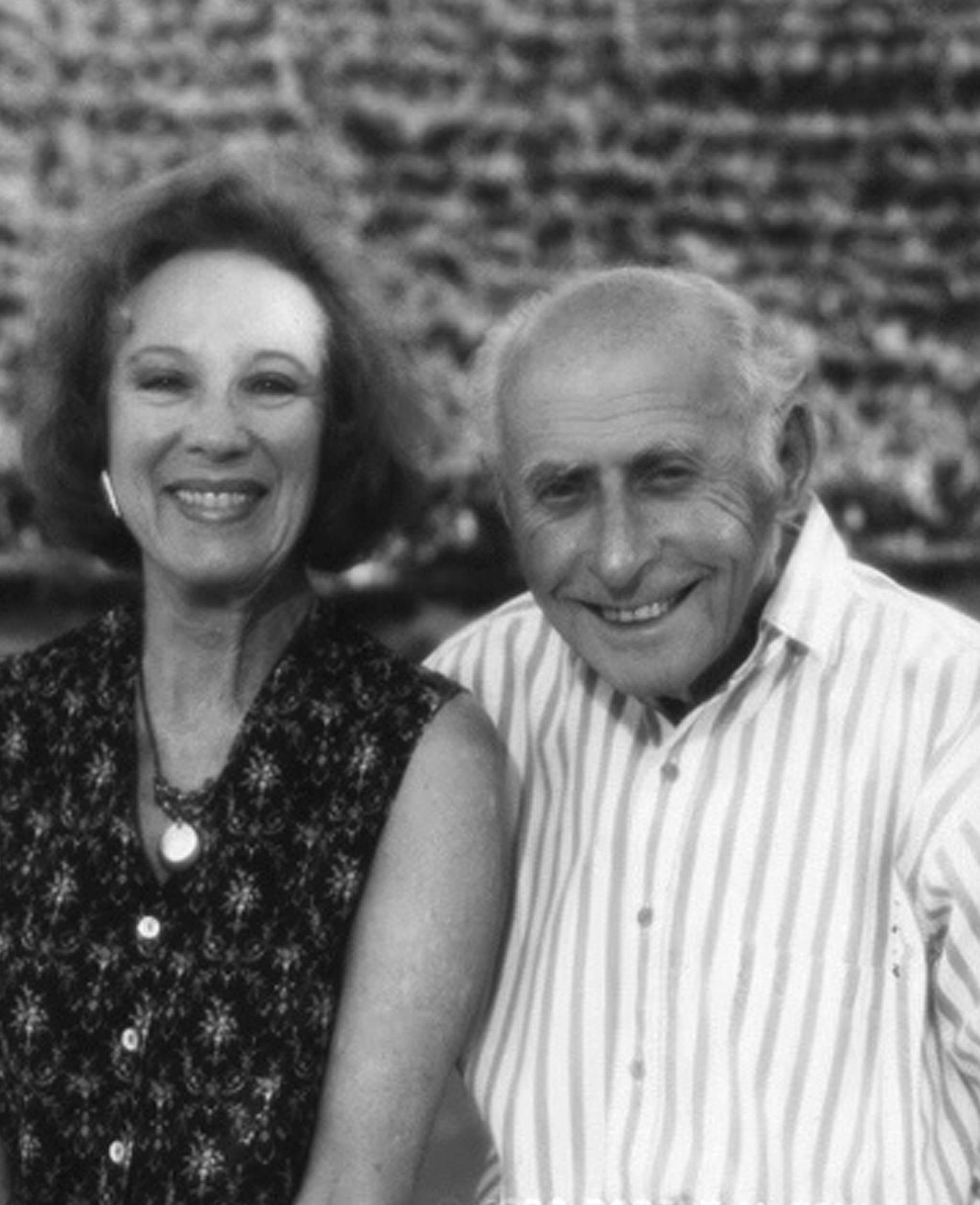
The Brounsteins came across that land in 1967, a few years after they met and married. Al, who was born in Saskatchewan and raised in Minnesota, graduating from the University of Minnesota in 1942, had done well in the pharmacy business in Southern California. He had been recently widowed when former Minnesotans Shirley and Harold Bass set him up on a blind date with Boots. "He seemed like a really nice guy," Boots said at the winery earlier this month.
He also only recently had become enamored of wine. "He took a wine class when he was 40 years old and fell in love with French wine," she said. "This all started with a dream."
Brounstein loved Burgundy and Bordeaux equally, but knew that Napa was not well suited for pinot noir. So he went to Bordeaux and talked some of the region's top vintners into giving him some vine cuttings. Because there was a seriously long quarantine process before using them on these shores, Brounstein had the cuttings shipped to Rosarita Beach in Baja California. From there, Al flew his own plane down there, picked up the cuttings and brought them back to Napa — seven times.
"He was nothing if not tenacious," Phil Ross said. Boots added, "And he was a visionary."
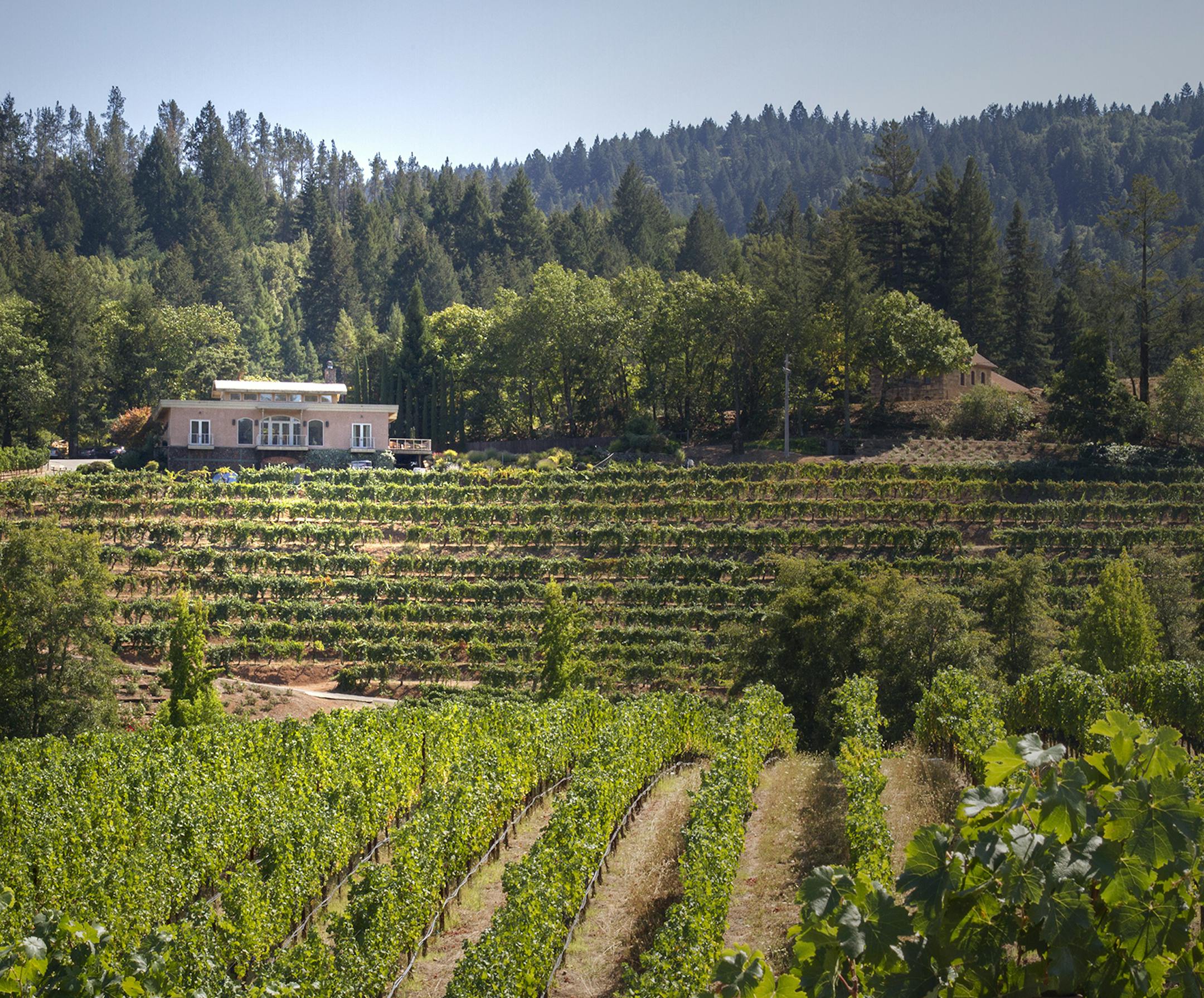
That vision included finding land on the hillsides rather than the valley floor, where virtually all Napa vineyards were planted at the time. He learned that the failing Bonsell Ranch was selling off property on Diamond Mountain and checked it out.