
Minnesota, Midwest factories see slowest growth in two years

November results show state, Midwest manufacturing not growing as fast as nation.

December 4, 2018 at 5:58AM
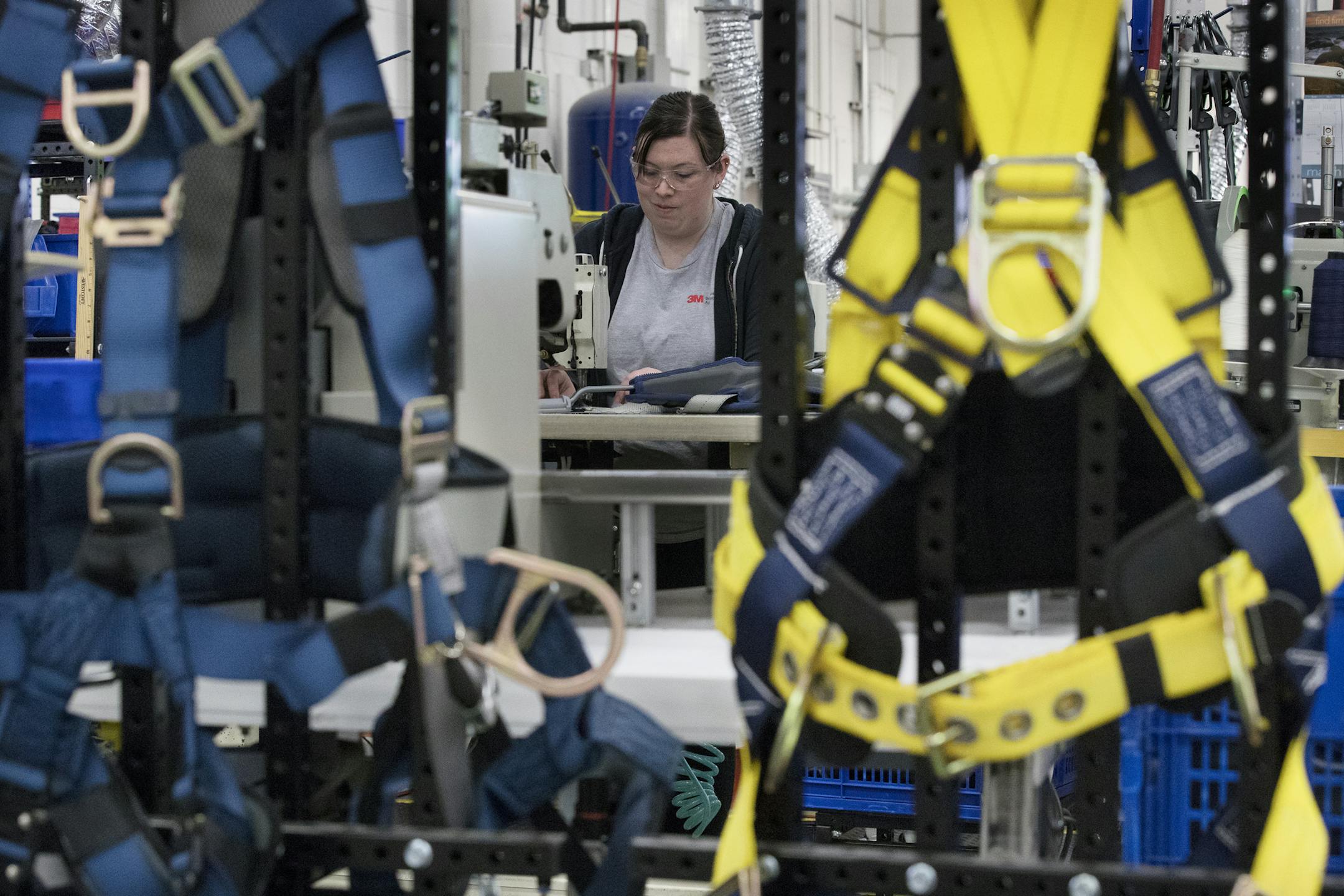
3M is among several companies that have said trade tariffs are affecting its business. (JERRY HOLT/Star Tribune file photo)
3M is among several companies that have said trade tariffs are affecting its business. (JERRY HOLT/Star Tribune file photo) (The Minnesota Star Tribune)

Midwest manufacturers, including those in Minnesota, are growing, but not as quickly as the average growth nationwide.

Creighton University's Mid-America Business Conditions Index — which tracks monthly factory growth in Minnesota and eight other central states — slid for a third consecutive month to the slowest rate in two years. The index was 54.1, down from 54.9 in October. Anything over 50 signifies growth.

The November results for Mid-America were released Monday, the same day as the monthly national report by the Institute for Supply Management. That index jumped to 59.3 in November, up from 57.7.

Minnesota's index, as measured by Creighton, slid to 53.9 in November from 54.9 the month before.

November's regional slowdown took place against a backdrop of trade woes. About 65 percent of surveyed factory heads in the nine-state region reported that new U.S. trade tariffs and retaliatory action by trading partners had increased their costs and made it harder to sell to their traditional international customers.

As an example, Midwest supply managers cited steel prices that rose by 18.2 percent in 12 months and a consumer price index that rose 2.5 percent in 12 months. In an odd twist, however, the regional export orders index rose slightly to 51.8 from October's 51.5 as some supply managers scurried to stock parts from overseas producers.

Trade tariffs were a hot topic for most Minnesota manufacturers that reported third-quarter earnings in October. 3M, Polaris Industries, nVent and Pentair all reported significant cost spikes as recent U.S. trade tariffs disrupted supply chains and inflated prices.

Creighton found that the region's confidence index fell to 55.5 in November from 59.6 the month before and 66.3 in May. The survey was taken before U.S. President Donald Trump and Chinese President Xi Jinping agreed this weekend to pause future planned tariffs for 90 days.

One positive number reported during the month was the rise in manufacturing employment for the nine-state territory that includes Minnesota, Nebraska, North Dakota, South Dakota, Iowa, Missouri, Kansas, Oklahoma and Arkansas.

"The regional economy continues to expand at a healthy pace. However, as in recent months, shortages of skilled workers remain an impediment to even stronger growth. Furthermore, supply managers are reporting mounting negative impacts from tariffs and trade skirmishes," Ernie Goss, director of Creighton's Economic Forecasting Group, said in a statement Monday.

In the coming months, Goss said he expects the effects of lower oil prices and slowing growth will "push both wholesale and consumer inflation lower." He also expects the Federal Reserve will hike interest rates one-quarter percent on Dec. 19.

"However, last week the head of the Federal Reserve, Jerome Powell, indicated a more dovish approach to 2019 rate hikes," Goss said. "Thus, I expect the December rate hike to be the last until the second quarter of 2019."

Other analysts, such as Moody's Senior Vice President David Berge, said the manufacturing sector is at a key juncture. On Monday, Moody's Investors Service downgraded its outlook for the global manufacturing industry to "stable" from its "positive" rating.

Berge credited the change to "trade tensions" that are expected to "negatively impact demand in 2019." In addition, manufacturers' profits are expected to decrease "in light of higher input costs."

Berge said Moody's 12- to 18-month forecast comes despite Sunday's agreement to call a truce on tariffs between the U.S. and China until March 2019.

He said any tariffs on each other's goods after that March date is "likely to have a more prominent impact on supply chains just as they contend with tight labor markets and higher transportation costs. Generally, protectionist trade measures will contribute to slowing global economic growth."

Dee DePass • 612-673-7725

The manufacturing floor at Emerson Automation Solutions on Friday, September 15, 2017, in Shakopee, Minn. ] RENEE JONES SCHNEIDER • renee.jones@startribune.com The Minnesota
Manufacturing growth in Minnesota and the Midwest has slowed, and consumer confidence has fallen since reaching a high point in May. (The Minnesota Star Tribune)
about the writer

about the writer

Dee DePass

Reporter

Dee DePass is an award-winning business reporter covering Minnesota small businesses for the Minnesota Star Tribune. She previously covered commercial real estate, manufacturing, the economy, workplace issues and banking.

See Moreicon

More from Business

See More
card image

Reduction in private insurance coverage of at-home nursing care could create tough choices for families with disabled children who need around-the-clock monitoring.

card image
card image