

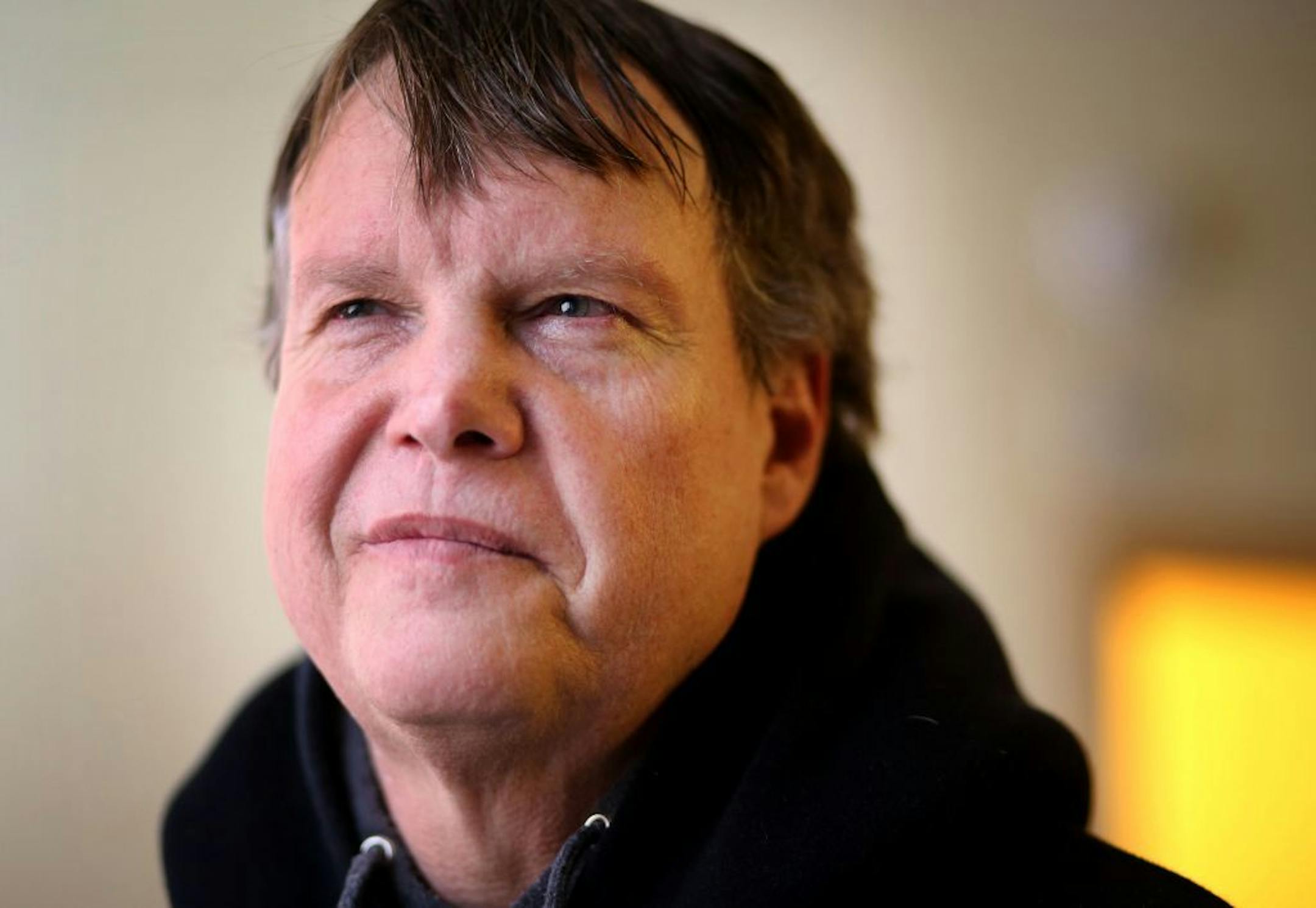
In a groundbreaking decision, the Minnesota Human Rights Department found that a large nonprofit likely violated a worker's civil rights when it denied him a promotion because he received services for a cognitive disability.
State Human Rights Commissioner Kevin Lindsey found "probable cause" that Opportunity Partners, one of Minnesota's largest employers of people with disabilities, discriminated against Bradford Teslow, 59, of St. Paul, who receives state-funded job support services at the Bloomington assembly plant where he packages parts for portable refrigeration units.
Although Opportunity Partners disputes the decision, the Minnetonka-based agency said it is changing its hiring practices to allow recipients of disability services to be considered for regular work at the nonprofit.
Legal experts said the decision is among the first of its kind and highlights the conflicts that many disability service providers face when they provide on-the-job training and other support services to people who also work in their facilities. These workers are often classified as "clients" or "persons served," even though they perform work and often want to be considered regular employees. Agencies have little incentive to hire these workers, because doing so could cost them thousands of dollars in payments through state and federal disability programs, advocates say.
"This case is a poster child for why so many of these facilities are not a pathway to competitive, integrated employment but are instead a dead end," said Alison Barkoff, a national disability rights advocate in Washington, D.C., for the Center for Public Representation.
Across Minnesota and the nation, disability service providers such as Opportunity Partners bring in people with a wide range of physical and mental disabilities, from Down syndrome to autism, to package products and do other light assembly work on contract for large companies. Many of these agencies hold special certificates from the U.S. Department of Labor that exempt them from the federal minimum wage and allow them to pay workers with disabilities based on their productivity. Often, their wages amount to pennies on the dollar.
More than 100 entities hold these special certificates in Minnesota. Among the largest holders is Opportunity Partners, which as of June had about 600 workers making less than the minimum wage, according to the nonprofit. Nationwide, an estimated 228,600 individuals are being paid sub-minimum wages under these certificates, which proponents say gives individuals who might not be hired because of a disability a chance to work while developing skills.
A Star Tribune investigation last fall found that many people who work for these entities, often referred to as "sheltered workshops," want regular jobs at competitive wages but feel trapped because they lack accessible transportation and other support services.


