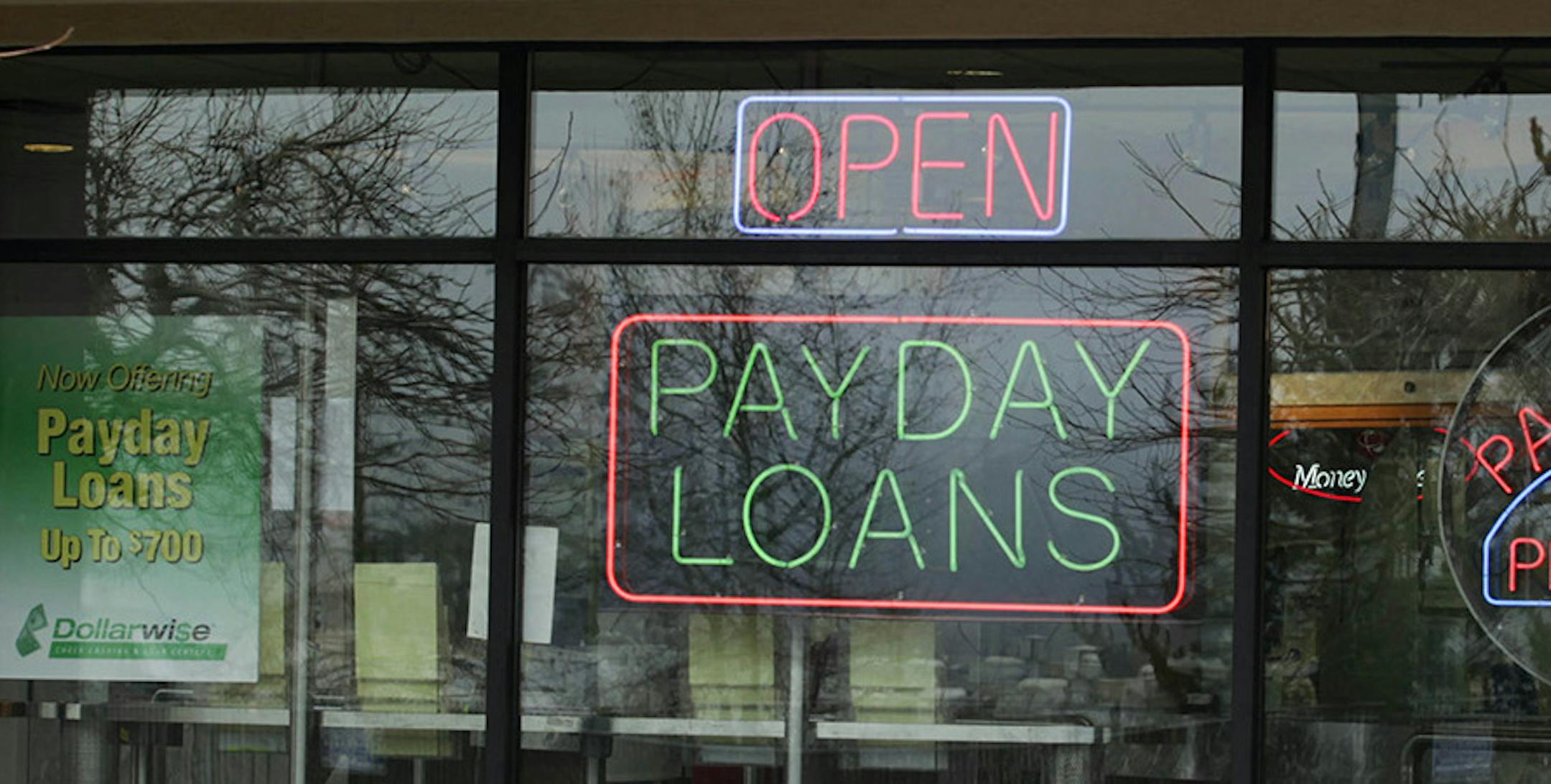
Minnesota lawmakers are expected to introduce legislation next year to curb payday lending, but finding a fix won't be easy.
Legislators previously proposed limiting to four the number of payday loans consumers can take out, but the effort failed after Payday America, the largest such lender in Minnesota, spent more than $300,000 to kill the bill.
Payday lenders also opposed efforts to cap interest rates, arguing that rate and loan caps would wipe them out entirely. The state Commerce Department shows the average annual interest rate on these types of loans exceeded 260 percent last year. The average customer takes out nearly 10 such loans a year.
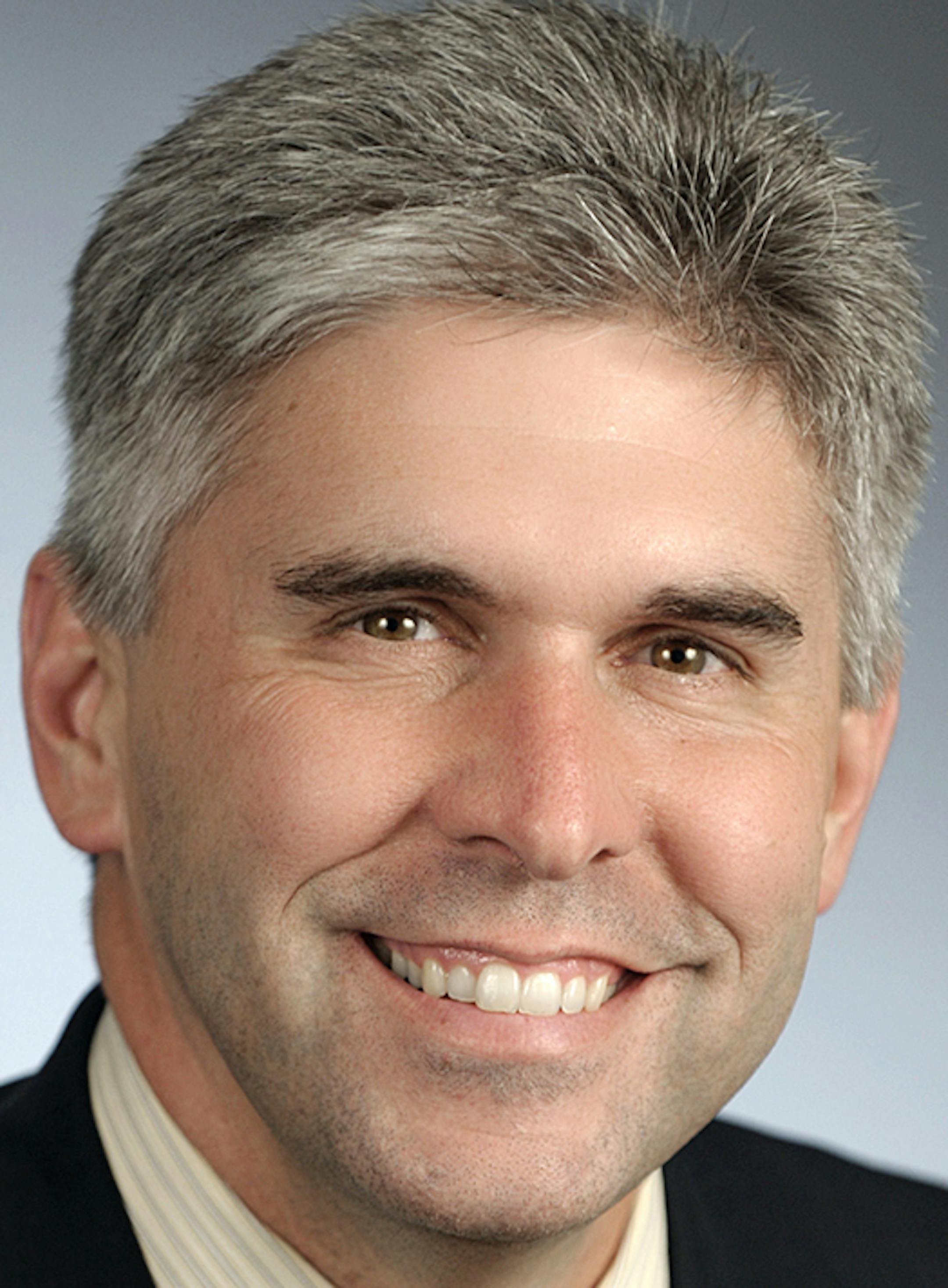
New regulatory reforms wouldn't "be a disaster," said Rep. Joe Atkins, DFL-South St. Paul. "But on the same token, I don't want to put them out of business. I just want to put reasonable interest rates in place."
Atkins, the 2014 sponsor of a payday lending reform bill, said consumers should explore other options before turning to payday loans. He said they could figure out a payment plan with a creditor, request an advance from an employer or turn to nonprofits who offer emergency aid, such as Exodus Lending, a small lending program started by a Minneapolis church.
Though a specific proposal has yet to be crafted, other states' reforms can provide guidance as lawmakers try to strike a balance that protects consumers and avoids putting lenders out of business.
Nick Bourke, director of Pew Charitable Trusts' research on small dollar loans, said other states have primarily implemented three types of reforms: lower interest rates, a limit on the number of loans and offering consumers a longer repayment period with more affordable payments.
The least effective of the three is the limit on the number of loans because "it allows a harmful product to stay on the market," Bourke said. "Because the payday loan looks artificially good to people, it looks like a short-term loan for a fixed fee. In reality, the typical borrower is in debt half the year and that balloon payment on the loan takes a third of their next paycheck."
![Michelle Washington walked into Payday America to pay off a $330 loan and take out a new loan for $320 to pay her bills on Friday, August 7, 2015 in St. Paul, Minn. ] RENEE JONES SCHNEIDER ï reneejones@startribune.com](https://arc.stimg.co/startribunemedia/LYELLJNUQMGMKG36VJVKODBEAY.jpg?&w=1080)