

As this year's legislative session draws to a close, a wide range of issues are being considered at the State Capitol. Few issues are more important to the cities of Coon Rapids, Willmar and Winona — and to communities across Minnesota — than ensuring the safety of rail.
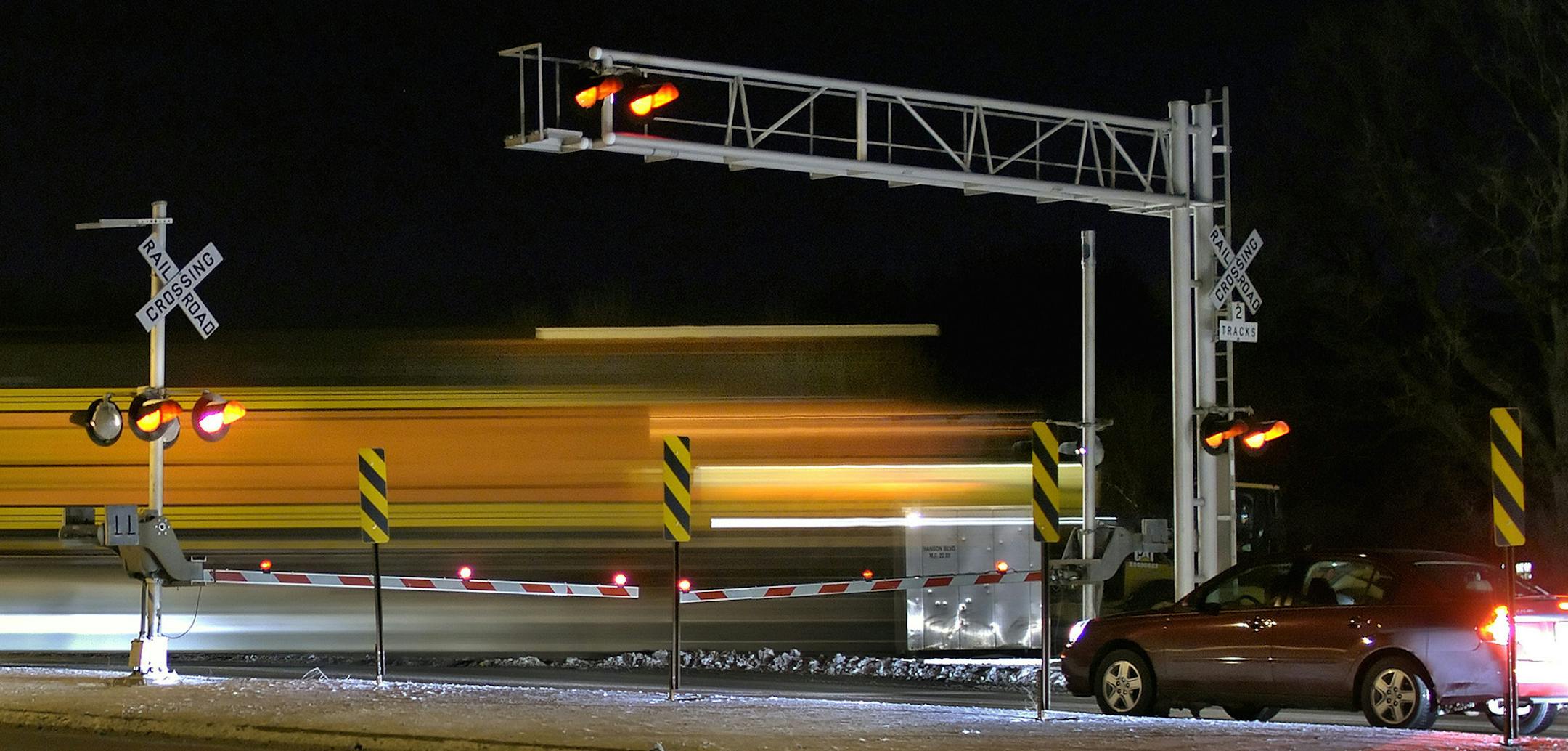
Coon Rapids is home to two double-line tracks and 10 railroad crossings. One of these crossings is part of the busiest rail segment in the state, averaging 81 trains per day. When trains, which can be up to 125 cars each, stage between two crossings, they block traffic for six to eight minutes at minimum. When trains are too long, they can close off multiple intersections for 30 minutes or more.
In Willmar, as many as 20 trains travel through the city of less than 20,000 people every day, and they can close multiple crossings for long periods of time. Though Willmar has prepared for railroad problems, a train derailment would have catastrophic consequences despite emergency responders' best efforts.
Winona's challenges are made more difficult because the city's only overpass is on the west side, while emergency facilities are in the more congested parts of the city. In Winona, the rail line runs through the Winona State University campus and through residential neighborhoods, with some homes just 50 feet from trains. In total, the city has more than 22,000 residents living near the tracks, all of whom would be endangered in the event of a rail accident.
The increase in rail traffic over the last few years has created major problems with traffic in all three of our cities. Individuals waste time, employers lose productivity and local businesses lose revenue when Minnesotans are stuck behind trains.
But this is not just a matter of inconvenience. When trains block intersections, emergency responders cannot pass those crossings to reach emergencies on the other side. This is unacceptable; when Minnesotans are in need of help, they expect that essential services will be provided, and even seconds of delay can endanger lives. Emergency response is a core function of government, and it must not be compromised. Minnesotans deserve better.
No matter how safe we make our railroads, we must also be prepared to respond when a rail emergency happens. As part of a comprehensive rail safety strategy, the Legislature should fund additional training for first responders and emergency managers. Our responders must be prepared for the unique challenges of a rail emergency, and it's up to us to make sure those resources are available.
We are encouraged by proposals that would provide significant funding increases for much-needed rail improvements. Funding should be approved this year without delay. Railroads touch every corner of Minnesota, and it is imperative that these railways do not compromise the safety of the people who live near them.


