

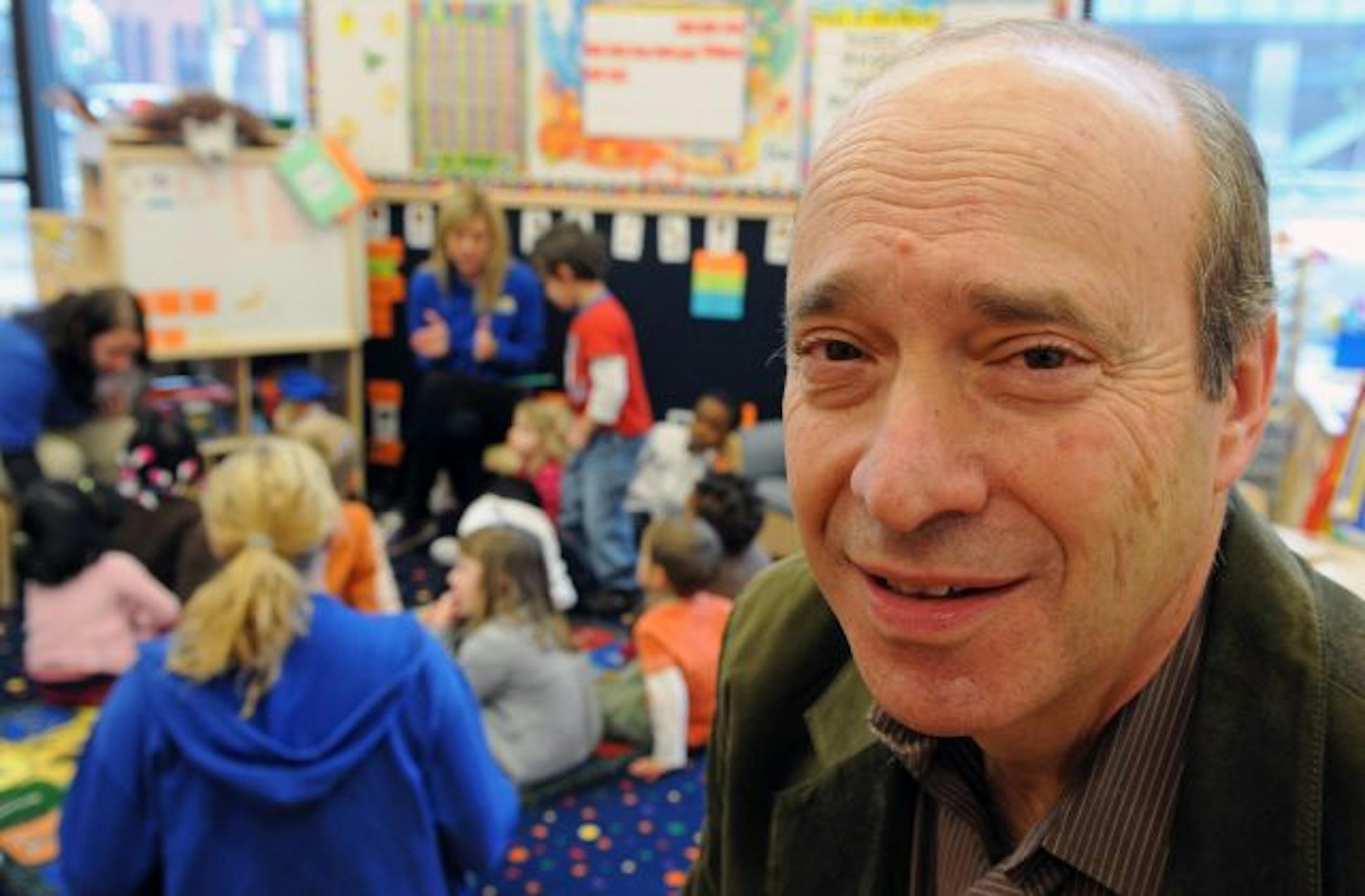
After years of falling to the bottom of the funding priority list, Minnesota's littlest learners may finally get a substantial and long-overdue boost from the 2013 Legislature.
Gov. Mark Dayton and his Education Department propose spending about $85 million to provide early education for the state's 3- to 6-year-olds, nearly splitting that amount between expanding all-day kindergarten and scholarships for quality preschools.
Both the state House and Senate plans include even more investment in early learning: the Senate plan calls for $50 million in preschool scholarships and $105 million for all-day kindergarten. The House recommends spending $44 million on preschool and $130 million on all-day kindergarten.
Too often in the past, legislators have proposed expanded preschool opportunities, only to let those plans die without action. This year's Legislature should avoid making the same mistake, especially if the funding choices come down to preschool vs. all-day kindergarten.
The pre-K scholarships would be available only to lower-income youngsters — those most in need of help to close the state's significant achievement gap between poorer and more-affluent kids. A half day of that first level of schooling has been part of public and private school systems for several generations now. State law only requires kids to be in school between ages 7 and 16. Families can opt out of kindergarten if they choose, though most do not.
All three proposals would substantially increase the $5 million that is now being spent on pilot programs and make preschool available for up to 10,000 additional children.
Expanded access to daylong kindergarten, however, would be available to all school districts — some of which already offer the longer program by charging fees to families.
Preschool advocates make a convincing argument that most of any additional education funding for early learners should go to the 3- and 4-year-olds. They cite recent studies that show reaching children at an earlier age has a stronger impact than waiting until age 5 or 6. Brain development research shows the importance of laying a foundation for learning between birth and age 5.

