

Minnesota is suing the federal government over a single question on the 2020 census — a question it argues could skew its population count and cost it everything from a seat in Congress to its share of federal funding.
The state, along with 16 other states, six cities, and the District of Columbia filed suit in federal court Tuesday, arguing that the U.S. Commerce Department's plan to ask about respondents' citizenship status is unconstitutional and could drive down response rates.
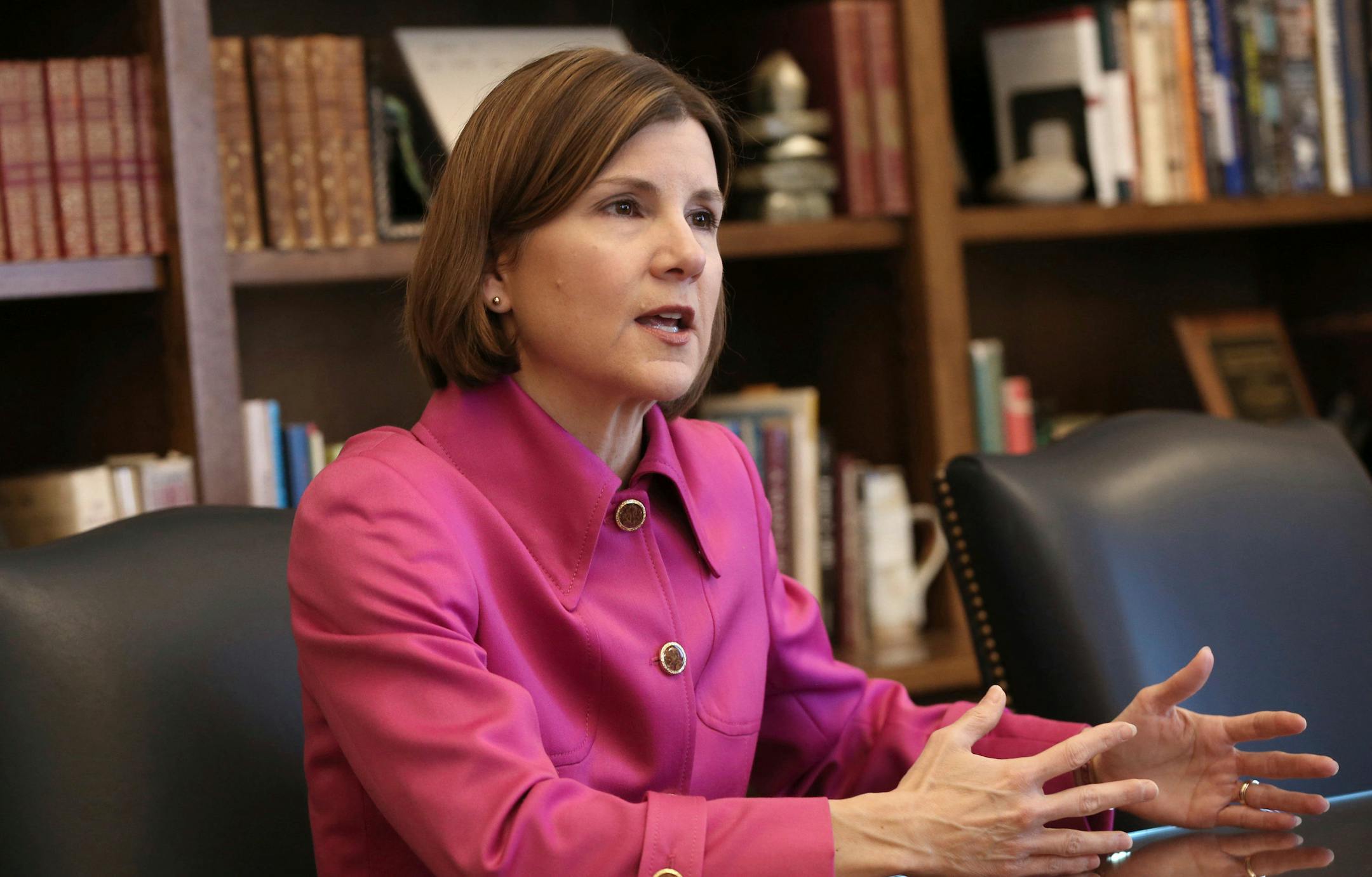
Minnesota Attorney General Lori Swanson argued in the lawsuit that any change that drives down the response rate could cost Minnesota dearly.
"The United States Constitution requires that a census be undertaken every 10 years to count every person in the United States," Swanson said in a statement. "Census Bureau directors appointed by presidents of both political parties have not included a question about citizenship since 1950 — nearly seven decades ago — out of concern that it would result in an inaccurate count."
Commerce Secretary Wilbur Ross, whose agency oversees the decennial census, announced the return of the citizenship question last week — bypassing the years of painstaking deliberation and review that usually precedes any change to the questionnaire. The change came at the request of the U.S. Department of Justice, which argued that it needed an accurate count of noncitizens to root out any potential violations of the Voting Rights Act.
Ross argued that the optional long-form census has included a question about citizenship every year except 2010 and that there is no "empirical evidence" that including a citizenship question on the mandatory short-form census would drive down response rates.
Doug Wardlow, a Republican running against Swanson for attorney general, accused her of "pointlessly ginning up fear" among immigrants with the lawsuit.
"Swanson and the other Democrats have two objectives, both of which are political," Wardlow said in a statement. "They are worried that illegal immigrants won't answer the census questionnaire if it has a question about citizenship. They want to make sure that sanctuary cities don't see their representation or federal dollars threatened."


