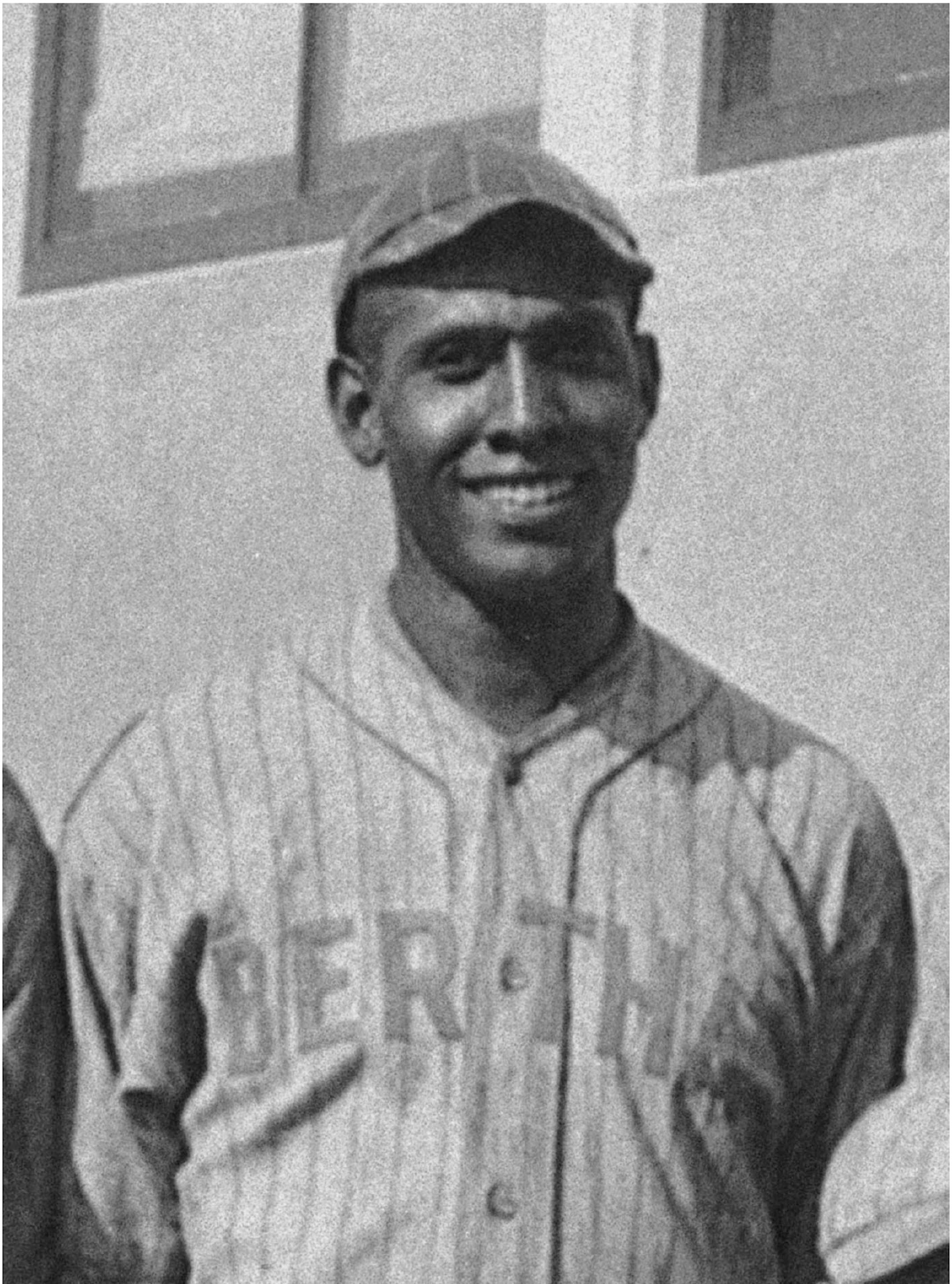
Upward of 25,000 scraps of paper and yellowed newspaper clippings in Peter Gorton's northeast Minneapolis basement tell dual stories that intersect at an improbable place: the central Minnesota town of Bertha.
That mountain of research chronicles the dominant but largely forgotten career of a black baseball pitcher named John Wesley Donaldson. The other plot line centers on Gorton, a 46-year-old speech consultant and tireless researcher.
For 14 years, Gorton has been on a mission to rekindle the legacy of Donaldson, who crisscrossed Minnesota from 1911 to the 1920s between stints in the Negro leagues and with several barnstorming teams.
Gorton's goal is to get the southpaw enshrined in the National Baseball Hall of Fame in Cooperstown, N.Y., which plans to pluck more historic black players from obscurity in 2020.
Nicknamed "Cannonball," Donaldson played baseball for 34 years before becoming the game's first African-American scout for the Chicago White Sox in 1949. He spent the peak of his career in Minnesota, playing in scores of towns from Worthington to Hibbing.
Gorton and his volunteer army of baseball researchers not only have documented 399 victories and at least 4,980 strikeouts for Donaldson, they've pinpointed 130 Minnesota cities and towns where he pitched.
One was Bertha, where Donaldson spent the 1924, 1925 and 1927 seasons with the Fishermen. "It's swamp country without a fishing lake around," Gorton said. "But the team was named after Ernie Fisher, the team's general manager."
Gorton knows the terrain well. He grew up 20 miles northeast of Bertha in Staples, where his dad was a dentist. In 2002, a phone call from an old social studies teacher "started a journey for me," he said.