

Minnesota was still six years away from becoming a state when the steamboat Nominee chugged up the Mississippi River from Galena, Ill., docking in St. Paul on May 20, 1852.
Two first cousins named Ellen were among the passengers stepping off the boat amid a swirl of commotion, horse-drawn wagons and barking salesmen. They had advertised the territory as a farming paradise and health resort.
Richard Ireland, a lanky carpenter from Burnchurch, County Kilkenny, was happy to get his extended family away from the East Coast swarming with fellow Irish immigrants.
His daughter, Ellen Ireland, was 9. Her cousin, Ellen Howard, had just turned 10. The girls were inseparable since the elder Ellen's parents died in the potato famine back across the Atlantic.
Richard made the crossing first, in 1849, finding work in Montreal and Vermont. His wife, Julia, sailed a year later to Boston with her kids and the Howard orphans, spending time in Vermont and Chicago before heading to Minnesota.
Along with Richard's single sister, Nancy, they raised the Howard kids — tossing them in with their own six children in one big family.
They were bittersweet times. Eight-year-old Richard Jr. died of typhoid fever shortly after the family arrived in St. Paul. His older brother, John, would become Minnesota's first archbishop as the Catholic Church gained its footing following statehood in 1858.
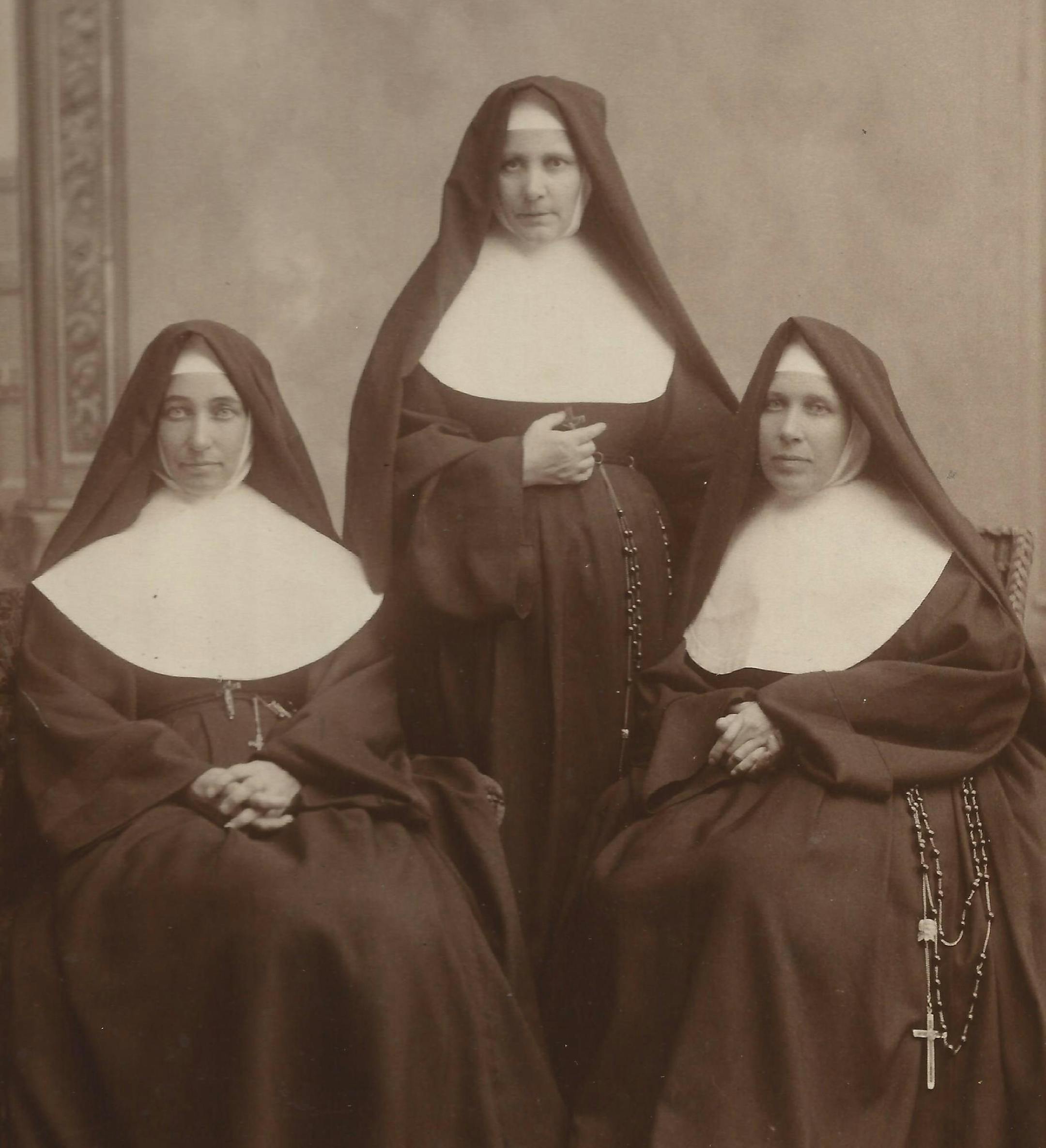
Today, a street connecting the Capitol and the Cathedral of St. Paul carries John Ireland's name. But comparatively little is known about his kid sister and cousin — the Ellens — who entered the convent together at 16.


