

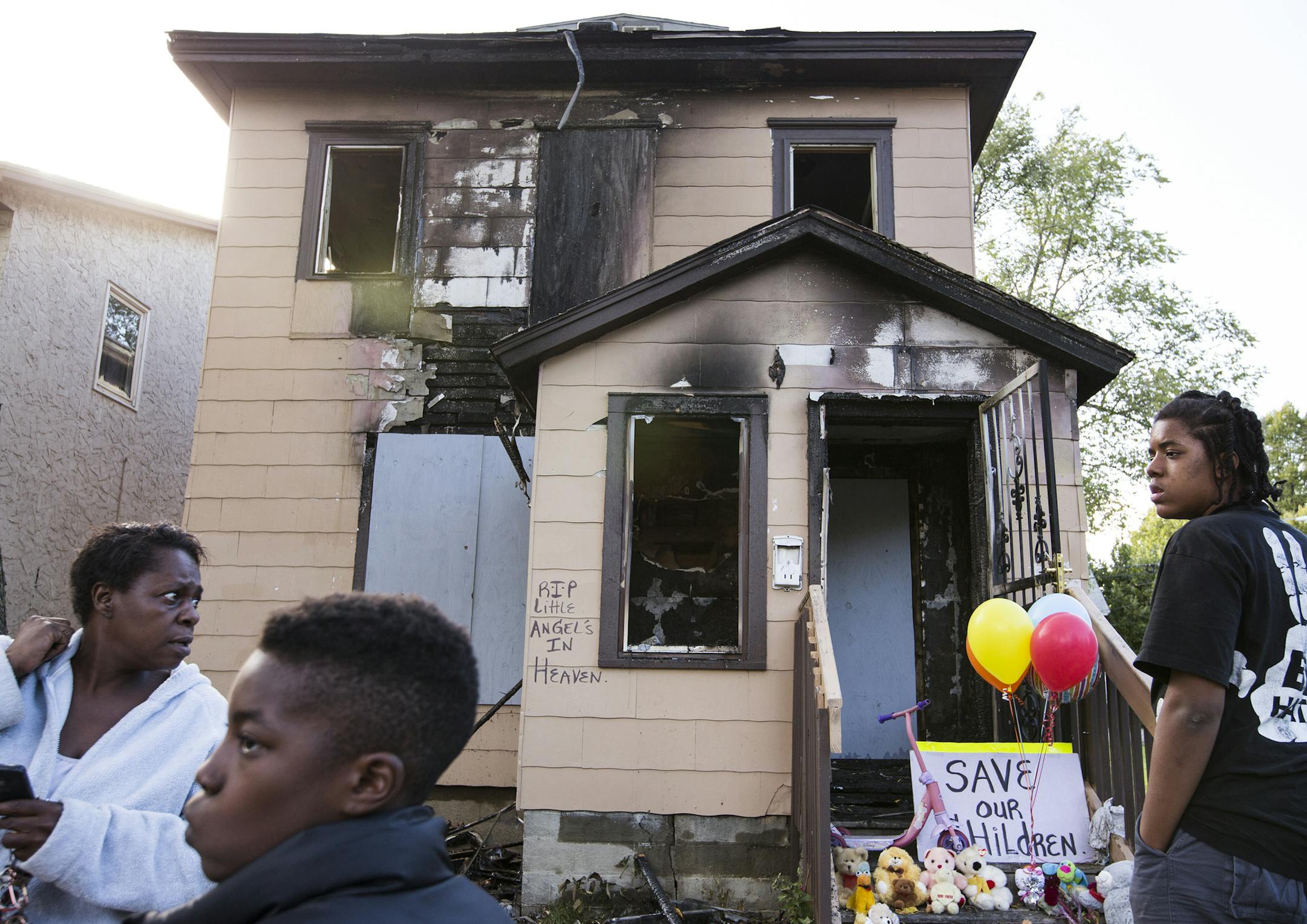
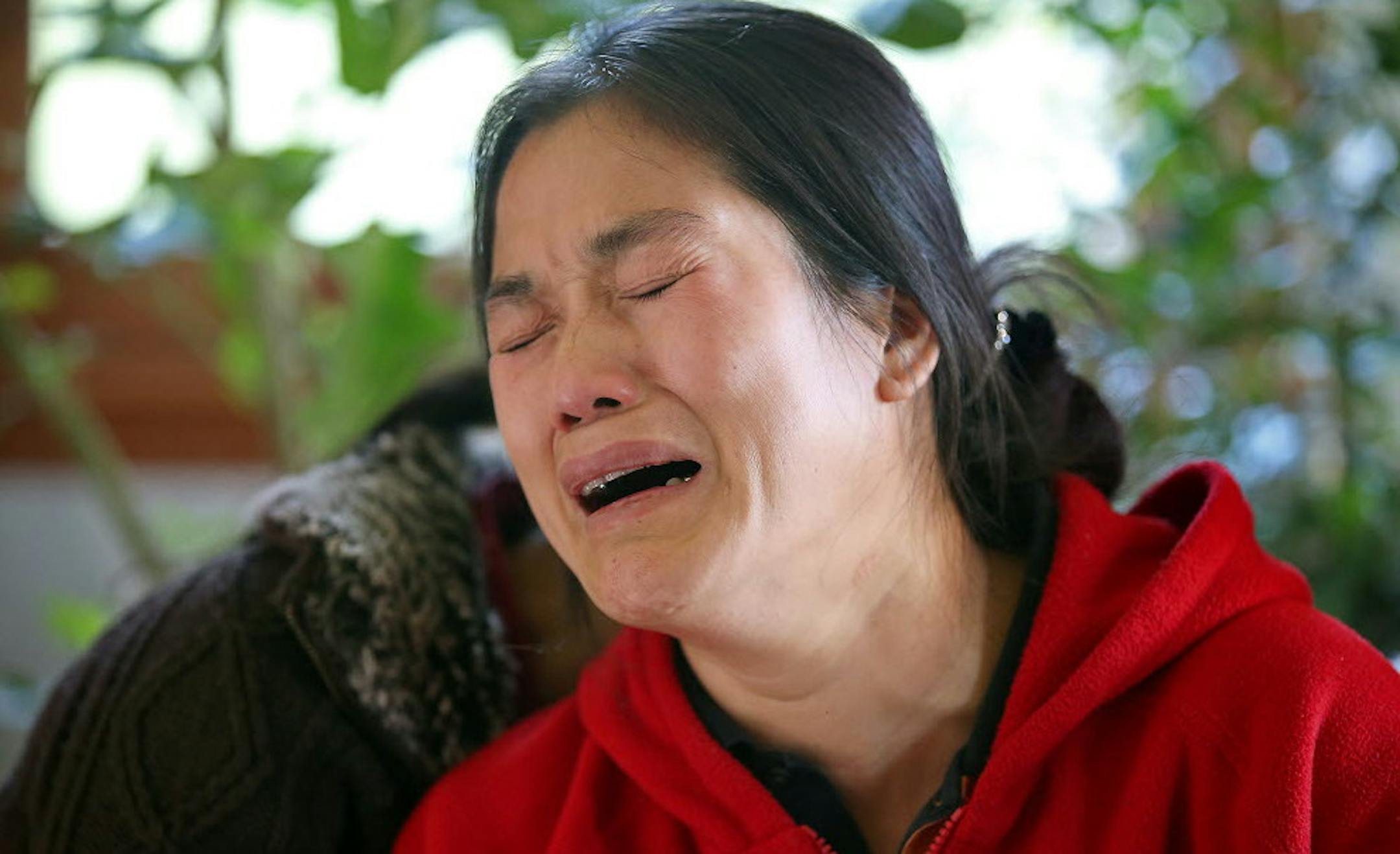
Emergency vehicles were clogging the South St. Paul street as Chanry Soeng arrived home after working the second shift at a Lakeville packaging plant.
When she realized they were at her house, she sprinted toward the door, demanding to see her children.
First responders restrained her, then delivered terrible news: her husband, Soeun Sem, 60, and the couple's youngest son, 2-year-old Eric, had died in the fire. Their older boy, 5-year-old Alexander, had been taken to Regions Hospital in St. Paul, but would not survive the night.
An investigation would show that the Oct. 13 blaze began in the garage, where propane cooking equipment often was used to prepare food. Smoke inhalation was ruled the cause of death.
It marked the second multiple-fatality house fire in the Twin Cities area that month, coming only one week after three children under age 7 died in north Minneapolis. Unattended cooking and heating, the causes linked to both incidents, are the leading culprits for residential fires in Minnesota.
Fire-related deaths have spiked this year, claiming 52 Minnesotans, compared with 44 in 2014, according to data from the state fire marshal. On the heels of yet another fatal fire Thursday night in north Minneapolis, officials are warning residents about fire safety during the holiday season, as some of the most dangerous weeks for residential blazes still lie ahead.
"Almost all of these [fatal fires] are 100 percent preventable," said St. Paul Fire Chief Tim Butler. "That's the tragedy when we see things happen: If they were to just follow some simple prevention efforts and had operating smoke alarms, they would have survived."
Although fire fatalities have dropped by half since the early 1980s — a downward trend authorities largely credit to the prevalence of smoke alarms and fire safety education — there have been two years since 2000 when the death toll surpassed 52.
![Amy Adamson said that this bike is the remains of what used to be a spiderman bike that belonged to one of the boys killed in a fire, Wednesday, October 14, 2015 in South St. Paul, MN. Adamson said she used to babysit the boys and had just taken them to buy their halloween costumes. ] (ELIZABETH FLORES/STAR TRIBUNE) ELIZABETH FLORES • eflores@startribune.com Elizabeth Flores Publication Date: October 15, 2015 Page: 01B Section: NEWS](https://arc.stimg.co/startribunemedia/XEIGHWRMETYJGQXPXHUOYXKHEI.jpg?&w=1080)
![The aftermath of a house fire that killed an elderly man and injured his wife in north Minneapolis on Thursday, December 17, 2015. Photographed on Friday, December 18, 2015. ] (Leila Navidi/Star Tribune) leila.navidi@startribune.com](https://arc.stimg.co/startribunemedia/AQ7NS4OJSR7Z33ZREFQN6QPRAM.jpg?&w=1080)


