

Everyone wants better cell service, but not all want to see where it comes from.
As the rise of smartphones puts more pressure on phone companies to constantly update equipment and build more towers, it also puts them at odds with cities and residents over where to put them without being a visual nuisance.
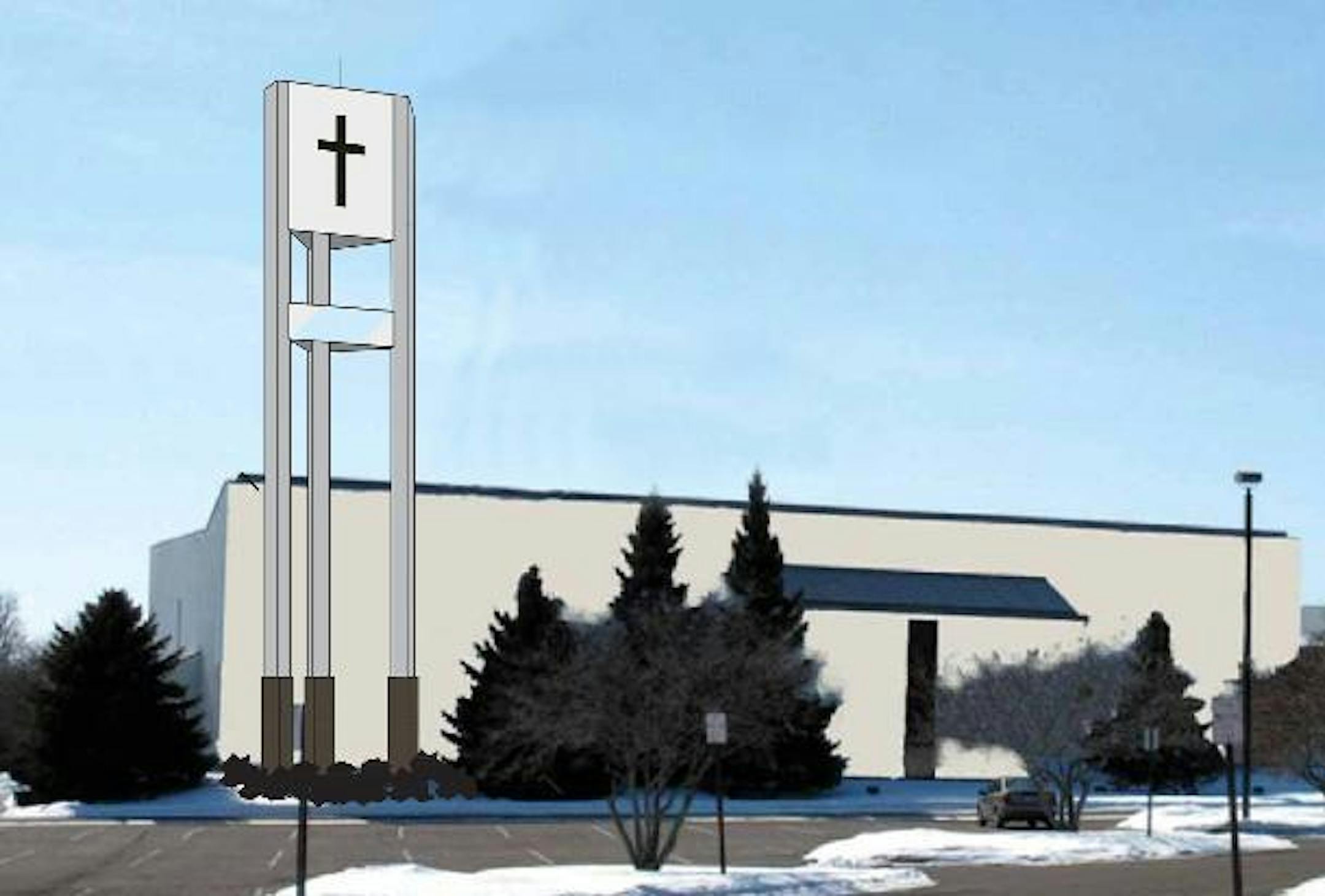
This week, Minnetonka denied AT&T's request to put a 90-foot cellphone tower next to a synagogue after neighbors opposed it; city leaders said it could go on a light pole that already has cell antennas. In Wayzata, a hilltop neighborhood is up in arms over ever-growing cellphone equipment in a park. And in Lakeville, residents' criticism of a proposed 150-foot Verizon Wireless cellphone tower in their neighborhood has put plans on hold since March.
"For the cities, it's often a difficult thing to balance," said Garrett Lysiak, whose Shoreview-based Owl Engineering is hired by counties and cities like Minnetonka to analyze telecommunications reports. "There are people screaming for more coverage from carriers … and the carriers are in need of new sites. But the cities aren't allowing it to go in residential areas … it's a challenge to find a spot."
While cellphone towers are getting smaller, he said, there is a need for more of them closer together to meet the demand from smartphones, tablets and other devices that people want to use wherever they are.
"Everybody wants movies while they're driving, e-mails while they're walking," he told Minnetonka's Planning Commission last month. "It's crazy to me, but they just want more and more."
Federal law requires that cities allow for adequate coverage — not maximum coverage — and says that they can't discriminate between providers or ban construction in certain areas, though they can regulate it.
Many cities prefer that equipment go on existing structures to reduce new cell towers and tend to approve equipment on water towers, light poles, schools or fire stations, with the leasing revenue going to the city or schools. But with demand for better service and more data in more places, cell requests increasingly are going to come up in residential areas, industry experts say.


