

On the fundraising website GoFundMe, Diane wants your cash to help rebuild Houston, but gives no details of what she plans to do.
Jake, an actor who made himself internet-famous with short videos, wants to help Houston and will take your money via debit or credit card.
And Shantavia wants to help, too, after she saw a man rescued by helicopter. She closes out her plea with a Bible quote directing potential givers to trust in the Lord.
The natural disaster unfolding in Houston may have no parallel in the city's history, but something much more predictable has flooded the internet as legions of people tapping their inner Jerry Lewis have opened fundraising efforts online.
Some are no doubt genuine, but state charity officials warned Tuesday that online scams are likely among the thousands of people saying they can use your money to make life better for flood victims.
"There are dishonest people who are willing to try to take advantage," said Kris Kewitsch, executive director of Charities Review Council based in St. Paul. "It happens all the time."
Her organization has three big tips for charitable giving: give cash, do your research, and consider donating to an organization that will help with the recovery.
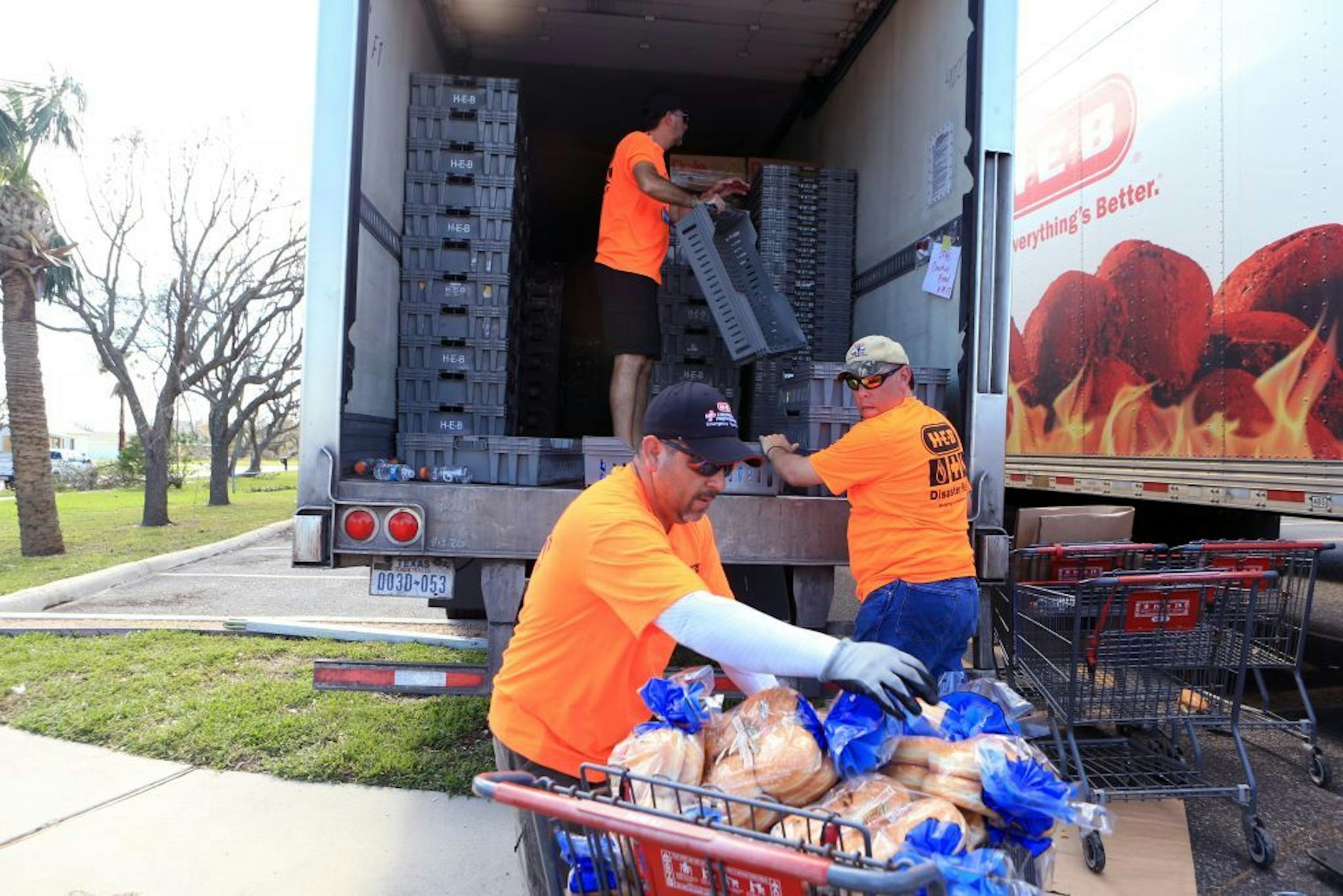
Cash is best because donated items require a lot of effort to organize, sort and distribute, she said. Food banks and food shelves can usually buy more food per dollar than an average person, so send cash instead of food even if your intention is to help supply meals for displaced residents.


