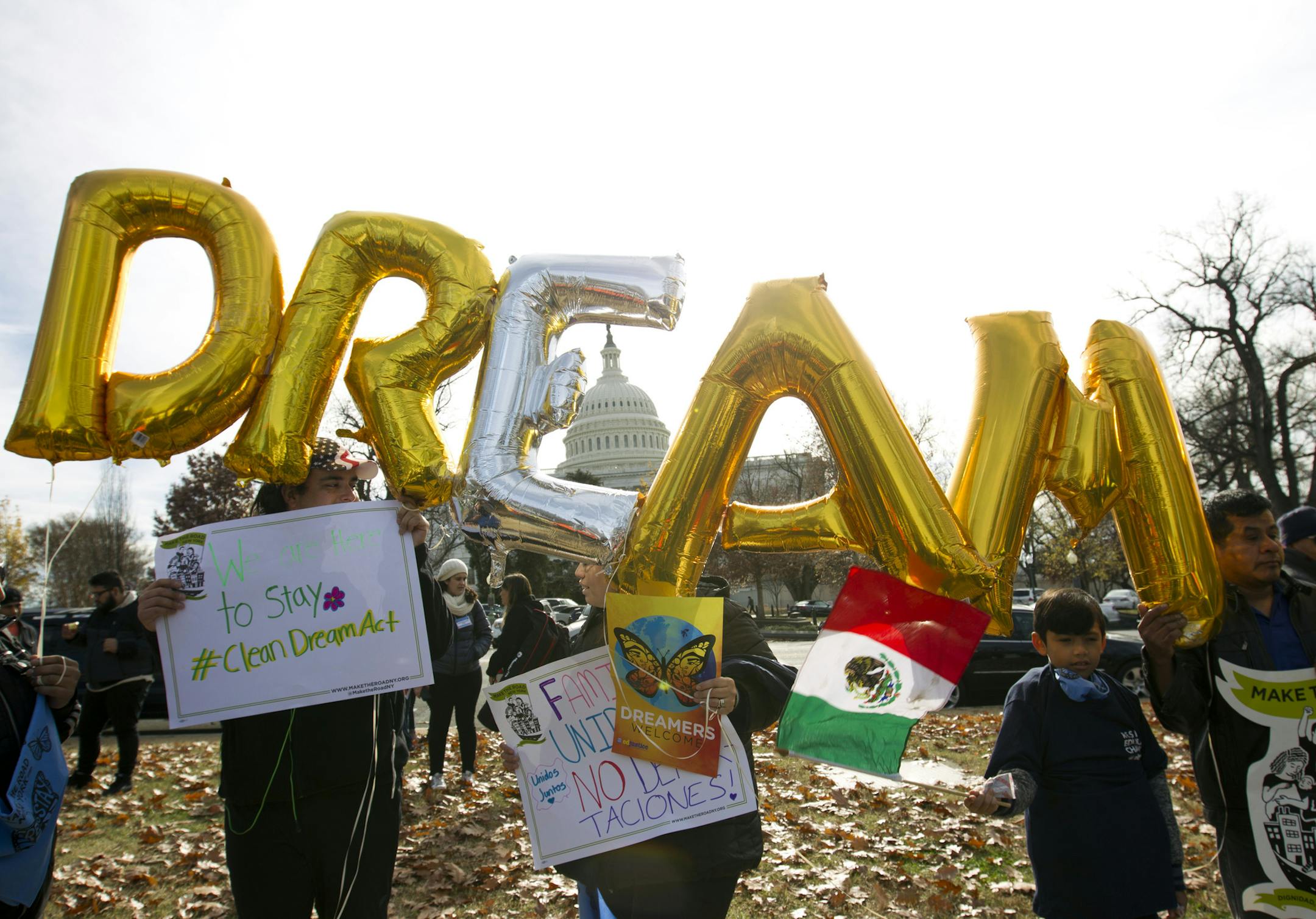
WASHINGTON – Leaders of some of Minnesota's biggest businesses and trade groups are pushing hard for a congressional deal that keeps undocumented immigrants brought to the United States as children from being deported.
That deal would affect an estimated 7,000 state residents and potentially more than 1 million more across the nation.
Their fate is shaping up as a linchpin to passing a federal spending bill and providing a gateway to other federal immigration reforms that many in Minnesota's business community say are vital to the future of the state's workforce.
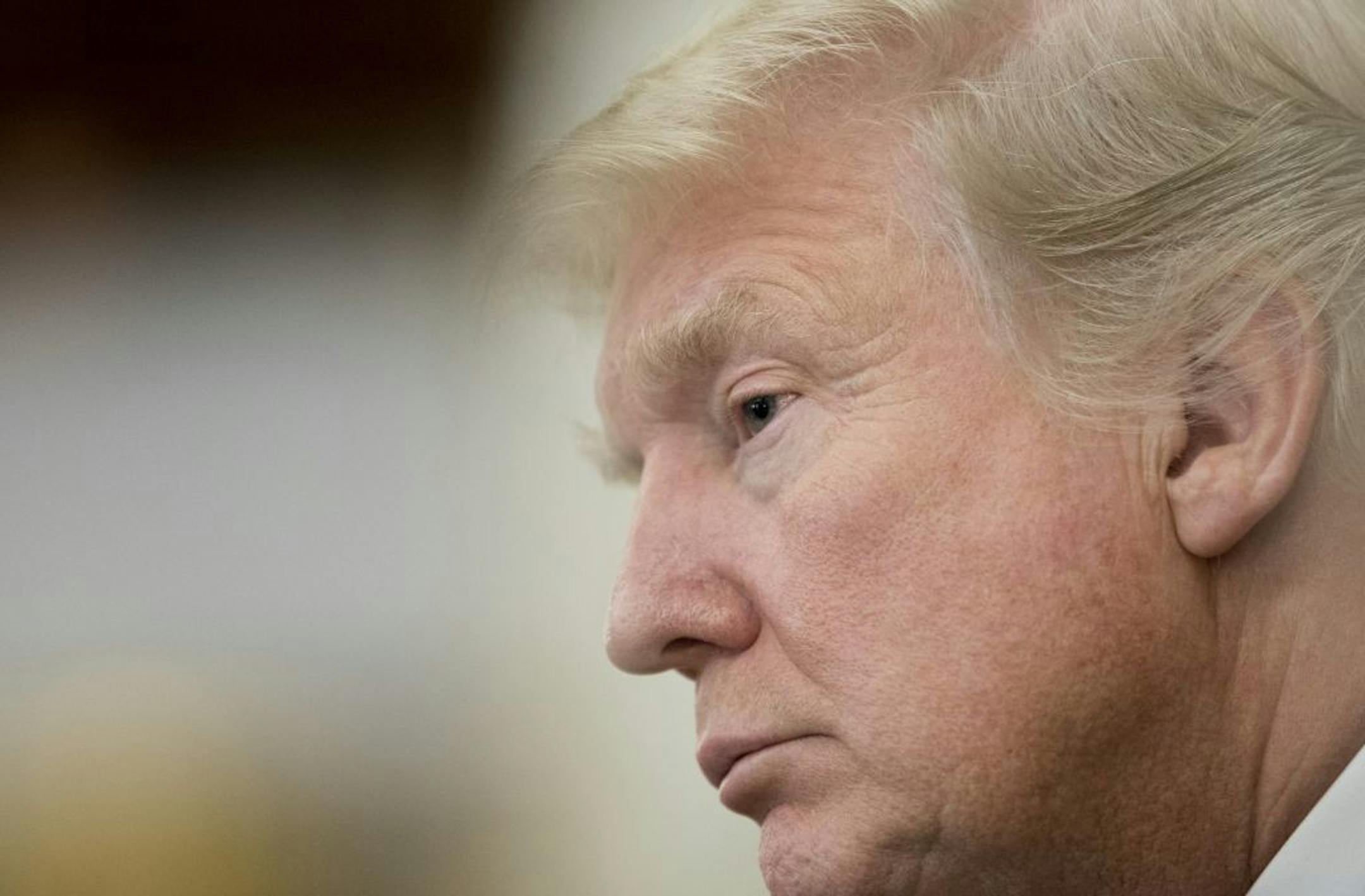
President Donald Trump rescinded the Deferred Action on Childhood Arrivals or DACA in September, saying the program created by President Barack Obama in 2012 was an improper use of executive power and that Congress should decide the fate of immigrant children brought to the country in violation of the law. Without new legislation, DACA recipients lose their protected status as work permits and student deferments expire.
The first DACA recipients face deportation proceedings beginning March 5. But despite polls showing huge majorities of Americans support the program, legislation to replace DACA remains uncertain and consumed in partisan politics. At this point, a failure by Congress to reach an agreement on protecting so-called DACA Dreamers could lead to a government shutdown or foreclose discussion of other immigration reforms.
"It's silly that this became tangled up in a government shutdown," said Charlie Weaver, who heads the Minnesota Business Partnership, a group of the state's most powerful CEOs. But Weaver and other business leaders understand that stopping the potential deportation of DACA recipients may be the only way to keep immigration reform moving in Congress.
"If you can take baby steps," Weaver said, "it makes it easier to take bigger steps. DACA, immigration reform and trade are all related."
Target CEO Brian Cornell and Best Buy CEO Hubert Joly were among more than 100 executives who wrote Senate and House leaders in January calling on them to reach a DACA solution. The list included heads of such corporate powerhouses as IBM, Google, General Motors and Apple.