

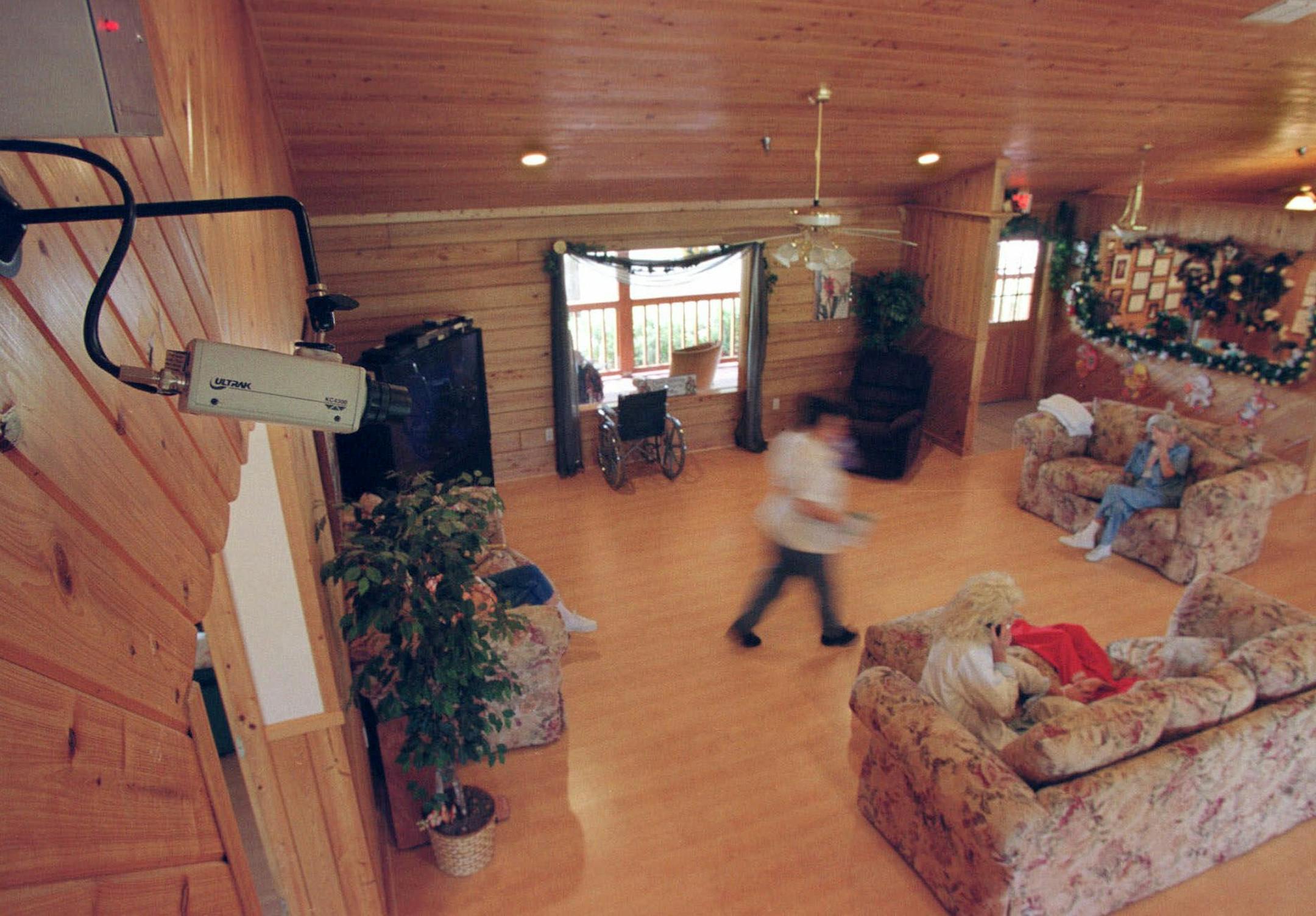
For the first time, families seeking to protect their loved ones from maltreatment in nursing homes would have the right to monitor their care with electronic recording devices without fear of retaliation, under a bill proposed by Minnesota lawmakers.
The proposal would make Minnesota the sixth state to explicitly permit residents of long-term care facilities to install surveillance equipment in their private rooms. The legislation, which comes before a Senate hearing Monday and has already been dubbed the "Granny Cam Bill," would prohibit nursing homes from retaliating against residents who choose to use electronic monitoring equipment.
It comes on the heels of several well-publicized cases in which hidden-camera footage was used to corroborate reports of abuse and neglect at Twin Cities-area nursing homes, some of which have led to criminal charges.
"No one should be treated differently because they choose to have a camera in their room," said Sen. Alice Johnson, DFL-Blaine, the bill's main sponsor, who said she drafted it partly in response to recent cases of abuse and neglect caught on camera.
But the legislation would also impose a new layer of reporting requirements on people who choose to install cameras, and that has elder care advocates and families worried that the bill would actually discourage the very surveillance it was designed to protect. Currently, Minnesota law is largely silent on the use of hidden cameras, and this lack of regulation is partly why the technology has proliferated, say advocates.
Modeled after a bill signed last year in Illinois, the legislation would require a nursing home resident to consent to the use of a camera before it can be installed and to notify the facility of their intent to use electronic monitoring. In addition, signs must be clearly posted notifying visitors of the devices, among other rules. In effect, the bill would end the use of "hidden" cameras in Minnesota nursing homes.
Jean Peters and Kay Bromelkamp, two sisters who have helped other Twin Cities families install cameras in senior homes since they used a camera to uncover maltreatment at their now-deceased mother's senior home in Edina, say they oppose the bill. The sisters said many families prefer to hide the cameras because they fear retribution by caregivers.
"It's traumatic to put a loved one in a facility, and you're paying a ton of money for the care, and now you're expected to notify the facility when you use a camera?" asked Peters, who plans to testify on the bill.


