

As impressive as the historic Pillsbury A Mill is above ground, a big part of its history remains unseen below — a massive water tunnel with high, vaulted ceilings running 500 feet just beneath SE. Main Street.
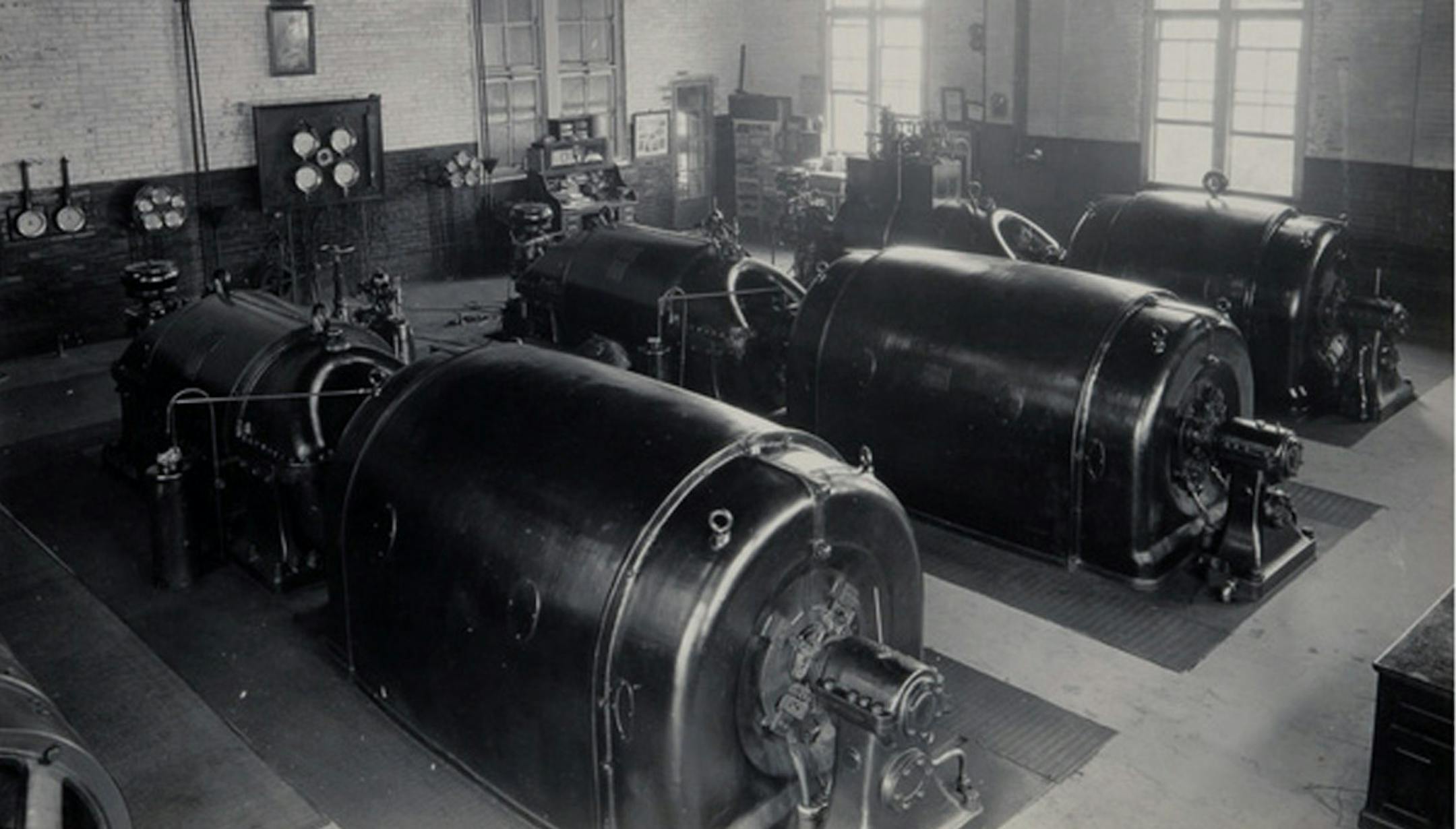
Completed in 1881 by railroad baron James J. Hill's St. Anthony Falls Water Power Co. as the A Mill was still under construction, the tunnel system took Mississippi River water from an East Bank intake above St. Anthony Falls, sent it hundreds of feet through a cathedral-like "headrace" tunnel under Main Street, then dropped it 50 feet through a pair of shafts into the miller's basement turbine room.
After providing the generating power, the water was discharged into the river below the falls through tailraces still visible near Pillsbury Park.
The historical significance of the Pillsbury water power system is unquestionable, but whether and how to tap it as part of the public's St. Anthony Falls historic experience is a question that the city of Minneapolis is looking to answer with a comprehensive engineering study of the tunnel.
The city last year received $285,000 in grants from the state's Legacy Amendment and the St. Anthony Falls Heritage Board to complete a historic and structural analysis of Hill's water system, and is working with the A Mill's prospective new owner — apartment developer Dominium — to assess the tunnel's potential.
The Plymouth-based developer is expected to close on a purchase of the bank-owned A Mill next month with plans to convert it into the Pillsbury Lofts — 251 units of affordable live-work artists studio apartments.
In July the city approved a $100,000 bid from engineering firm Mead & Hunt for work on a "condition study" to begin soon and be completed by mid-2014, said Ann Calvert, a project coordinator with the city's Community Planning and Economic Development Department.
An ultimate goal of getting people down into the long-hidden headrace tunnel is "one of the things we're interested in," she said, but she quickly added, "Before we can seriously consider that, we need to know what kind of condition it's in" — and thus, how much it would cost to preserve it.
![ELIZABETH FLORES • eflores@startribune.com June 8, 2011 - Minneapolis, MN - The impact the state's new historic tax credit is having on rehabbing old buildings. IN THIS PHOTO:] Pillsbury A-Mill building ORG XMIT: MIN2013080114462055](https://arc.stimg.co/startribunemedia/SUTO3E4ONVIO3YM55FBLXZWB3Q.jpg?&w=1080)




