The previous owners of our house left a memoir written by a man who'd lived there as a boy in the 1920s. He described a detail of urban urchinhood long forgotten: When the lamplighter would replace the wicks, he'd give them to the children, and they'd draw pictures on the sidewalks with the black, sooty sticks.
At the time of the writing, streetlights were common. Kids grew up with light in the night the way they grew up with voices in the air, coming out of the radio grilles. The parents of those children knew the soft hiss of gas lamps. But their parents might have been present the day the Great Light snapped on and carved out a space where the night lost its reign.
In 1883 an electric-light company put eight arc lights on a 257-foot-tall pole in Bridge Square, a long-gone part of downtown where Nicollet and Hennepin met.
Night was banished; you could stand outside City Hall at midnight and read a newspaper. You'd think people would have clamored for more, but many were wary of electrical lights, thinking they'd catch fire. Solution? Gas! Because that's much safer.
From the 1880s on, the Minneapolis Gas Light Co. had the sole contract to provide nighttime illumination in the city. By the 1920s, however, fear had abated. That clever Edison fellow was bathing Gotham with his electrical lights, and people who went to the Chicago Columbian Exposition of 1893 surely returned with tales of brilliant white light splashed on the gleaming bleached structures. So, according to the Minnesota Historical Society, the last gas lamp in Minneapolis went dark in 1924.
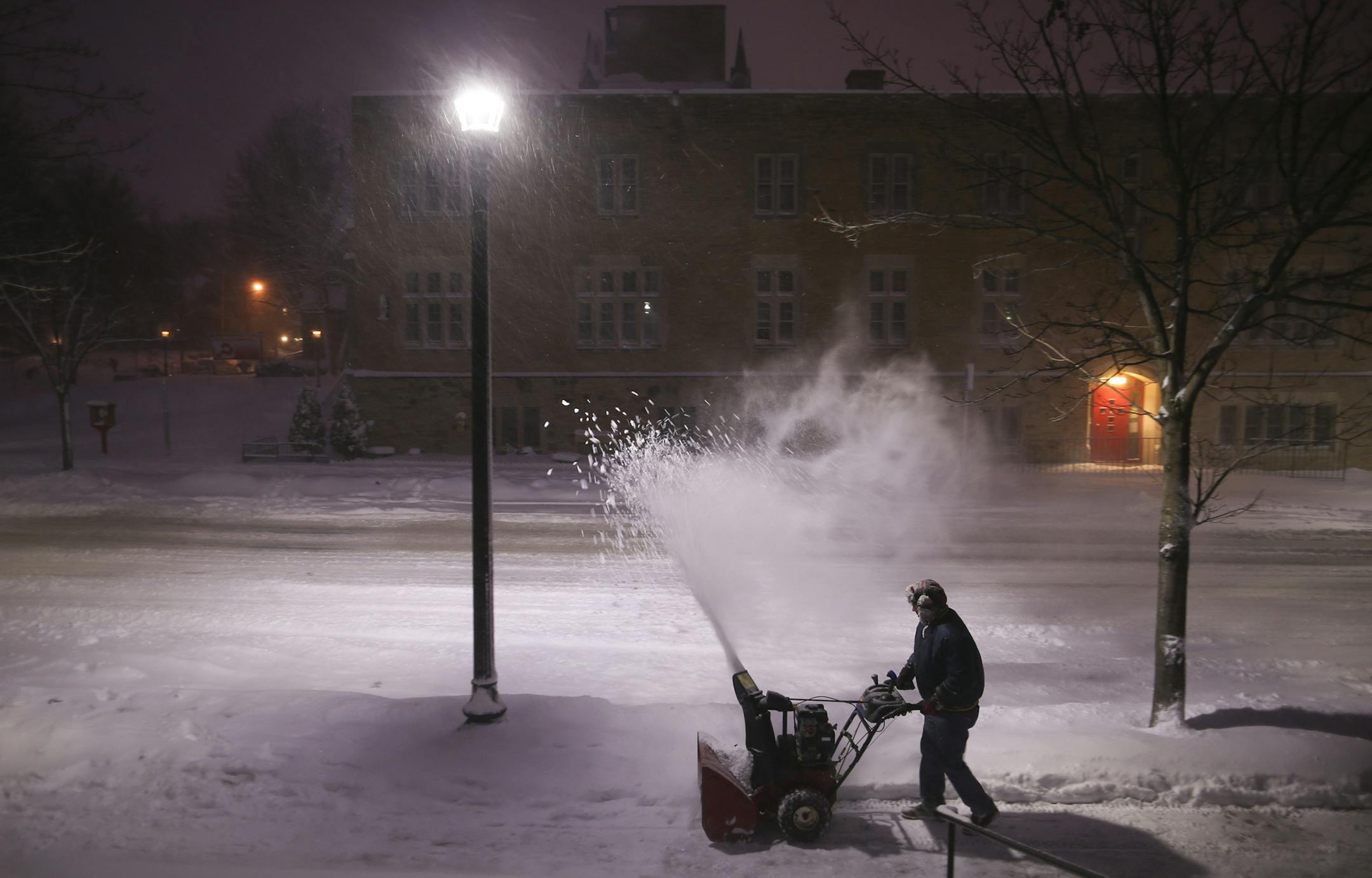
Nowadays, we take our electrical streetlights for granted, until we're walking along and the light above clicks off. (Oh, that's not an omen at all, you think. Thanks.) Perhaps because they're ubiquitous and dependable, we give their existence little thought, and their styles even less. When you start to look around with streetlights in mind, though, you realize how many shapes and styles we have — and how we could probably do with fewer.
Name that style
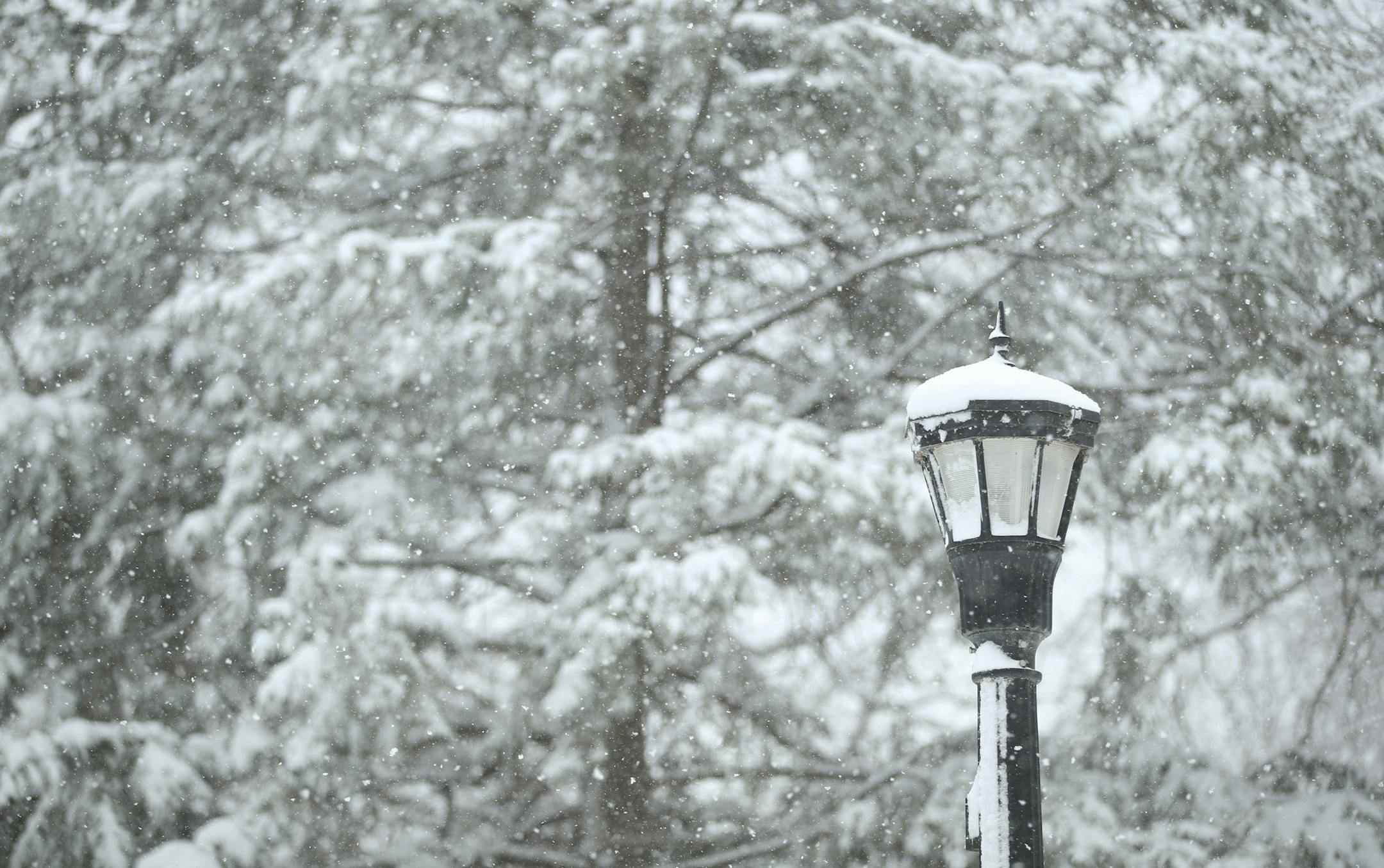
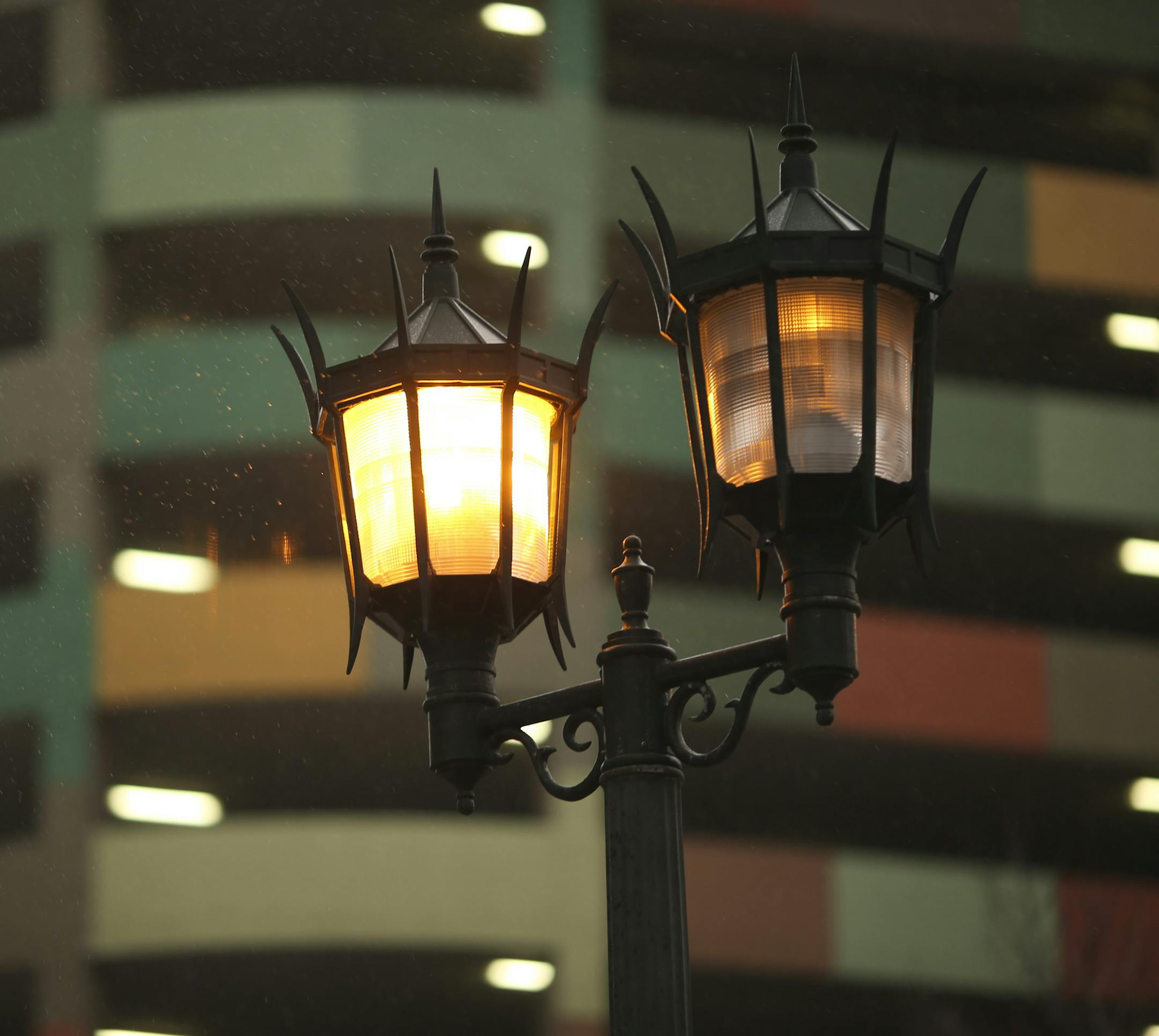
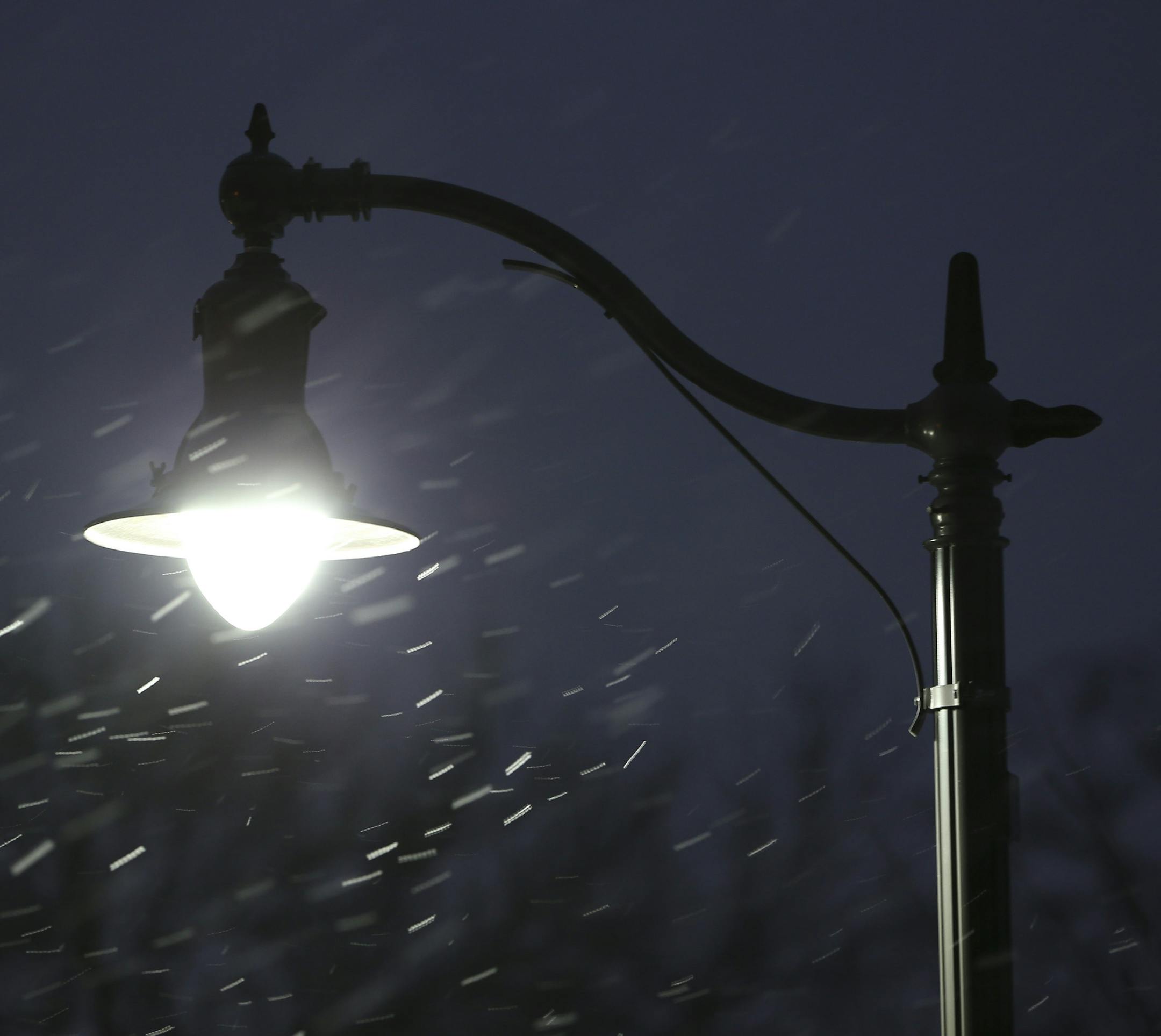
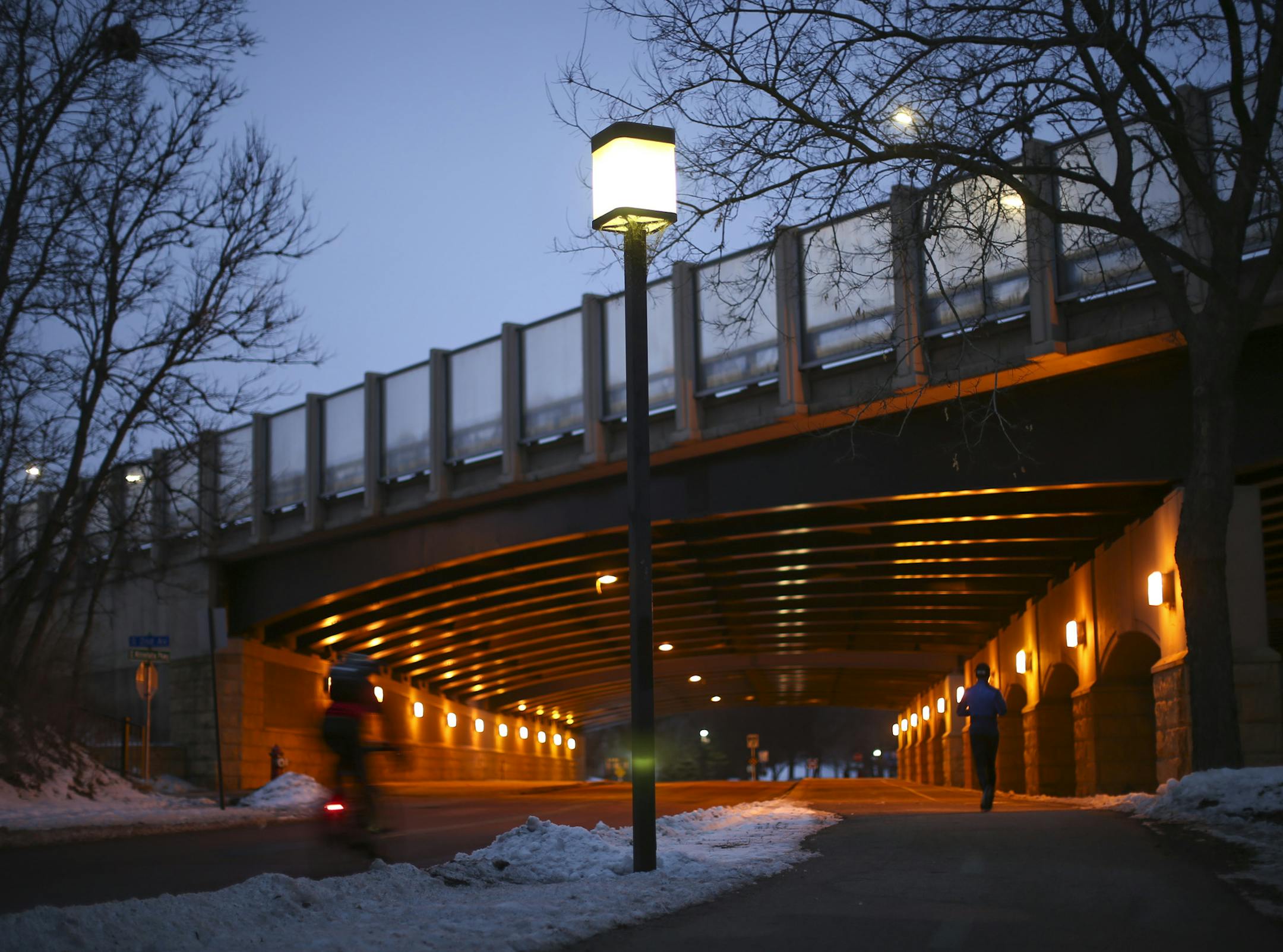
The city's master plan for streetlight design has six official styles: the Acorn, so named for the shape of the globe; the Lantern, a straight-sided version of the Acorn; the Shoebox, whose name tells you how artful and streamlined its contours appear; the Modern Shoebox, which adds a few artful curves; the Teardrop, which hangs the light from a pole that reminds you of a shepherd's crook; and the Parkway Fixture, a modified Teardrop with a shade that tells you you're in a park area, if you couldn't otherwise tell.
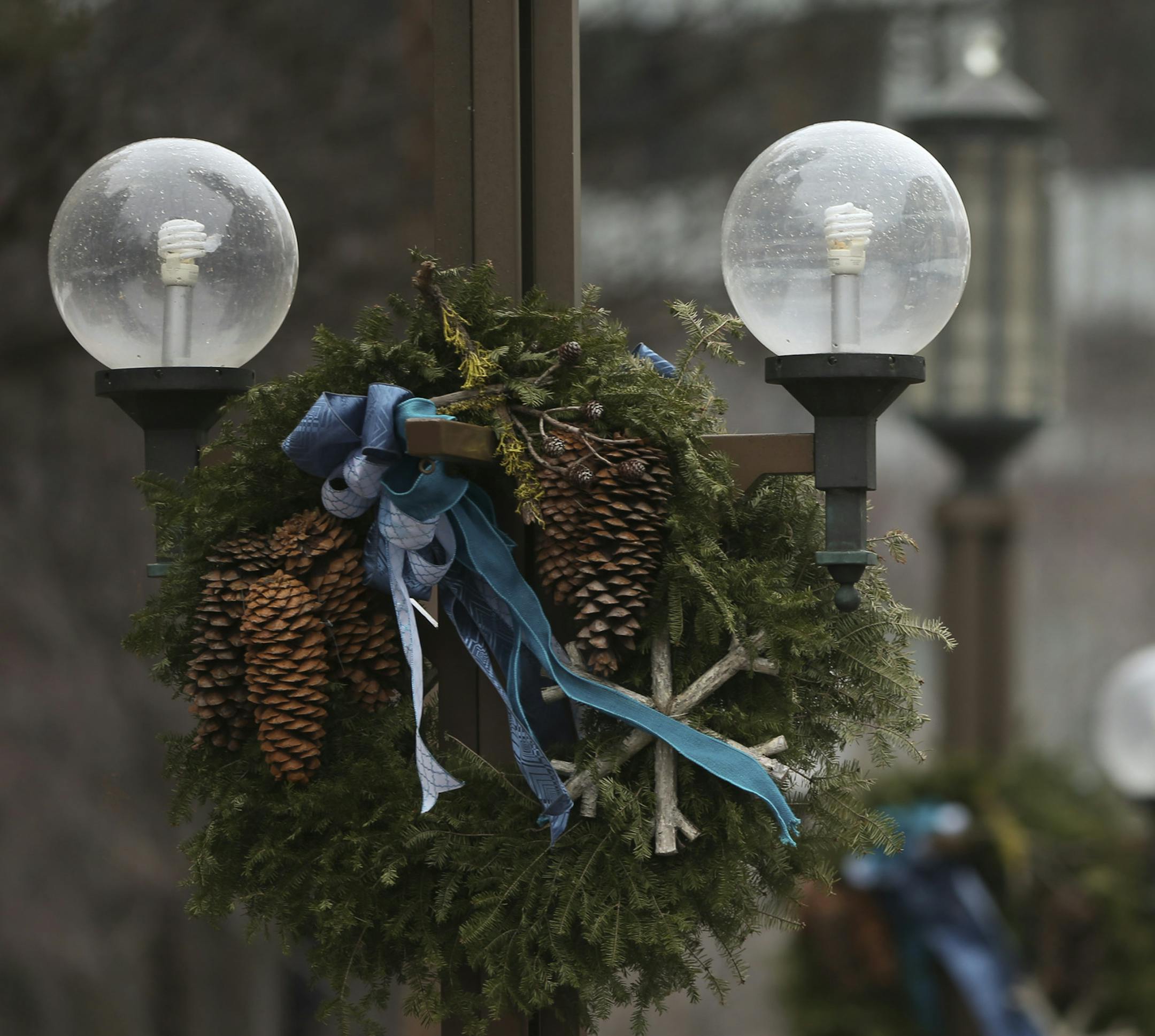
Those are the styles the city has determined that we'll use going forward. But we've inherited some more. There's the Cobra, so named for its teardrop shape on the end of a pole that rises up like a charmed serpent. There's the frosted glass bowl, stuck on a pole like a frozen albino Tootsie Pop. Usually found in some dour Carter-era public development with lots of dark brick and bare concrete, or scattered around the park system — where you'll also find those boxy lights with rounded edges. Quite modern at the time, but that's the problem. The time has passed.