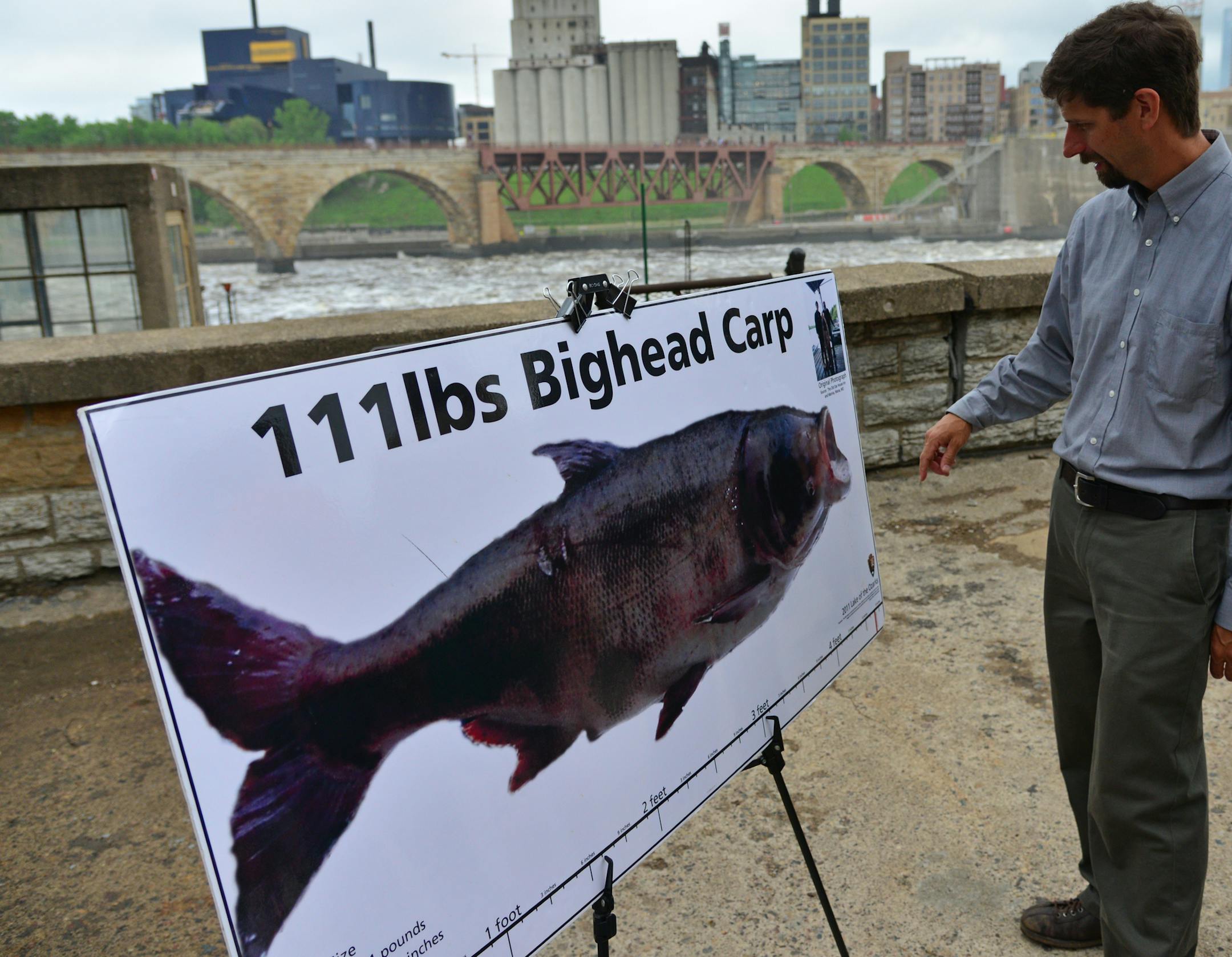
![During a press conference at the St Anthony Falls Laboratory, U.S. Senator Amy Klobuchar and U.S. Congressman Keith Ellison highlighted Congressional action to close the Upper St. Anthony Falls Lock. The bipartisan provision, which was included in the final water infrastructure bill recently passed by Congress, will help fight the spread of invasive carp by closing the Upper St. Anthony Falls Lock within one year.] Richard.Sennott@startribune.com Richard Sennott/Star Tribune Minneapolis Minn.Tue](https://arc.stimg.co/startribunemedia/SNRR7GPDY5MHMWEKSMMTTKZF3U.jpg?&w=1080)
The long-lived dream of river commerce in Minneapolis officially ended a few weeks ago, laid to rest by the stroke of a presidential pen.
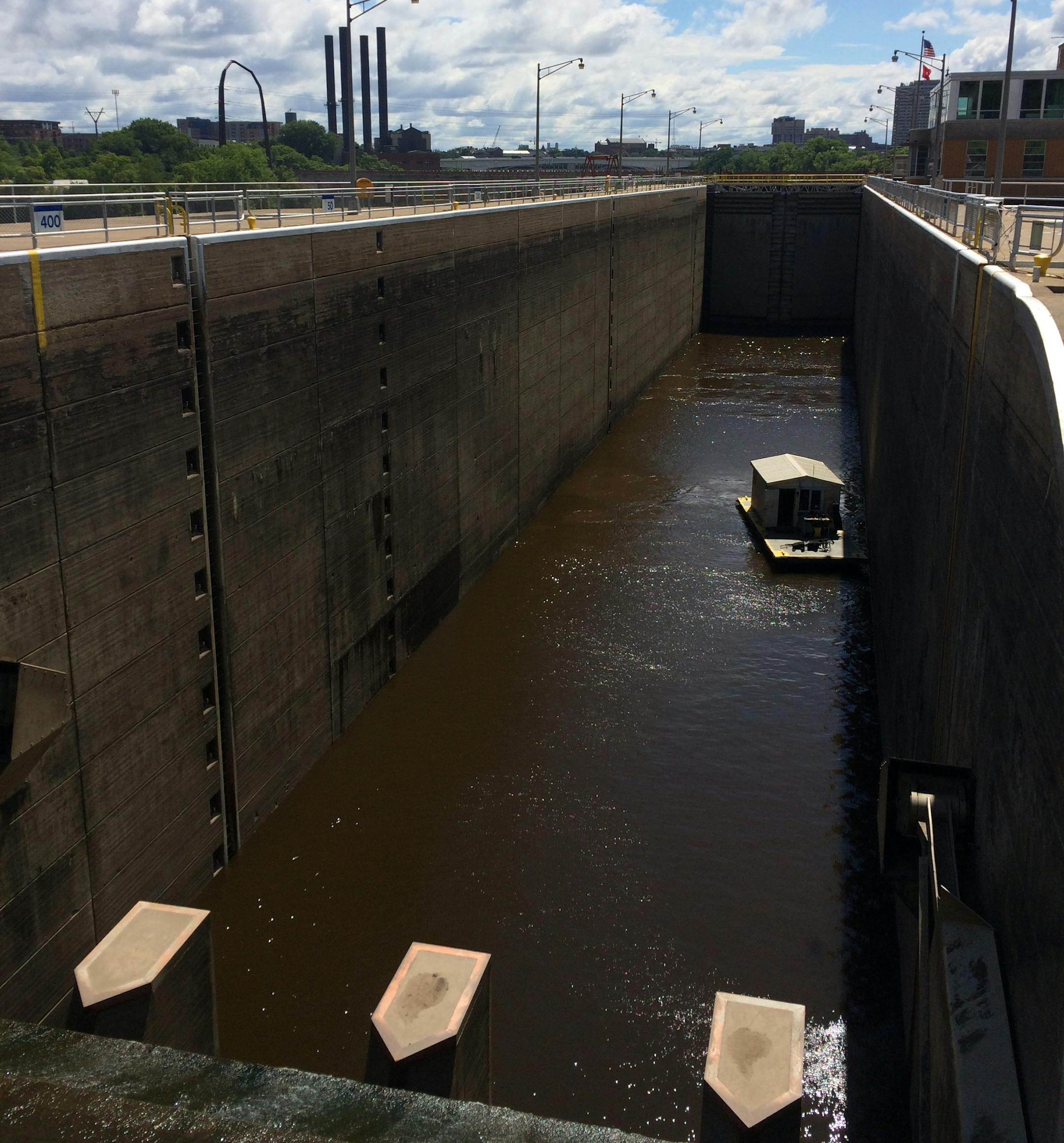
Three paragraphs submerged in the Water Resources Reform and Development Act of 2014, signed by President Obama on June 10, order the U.S. Army Corps of Engineers to close the Upper St. Anthony Falls Lock within one year.
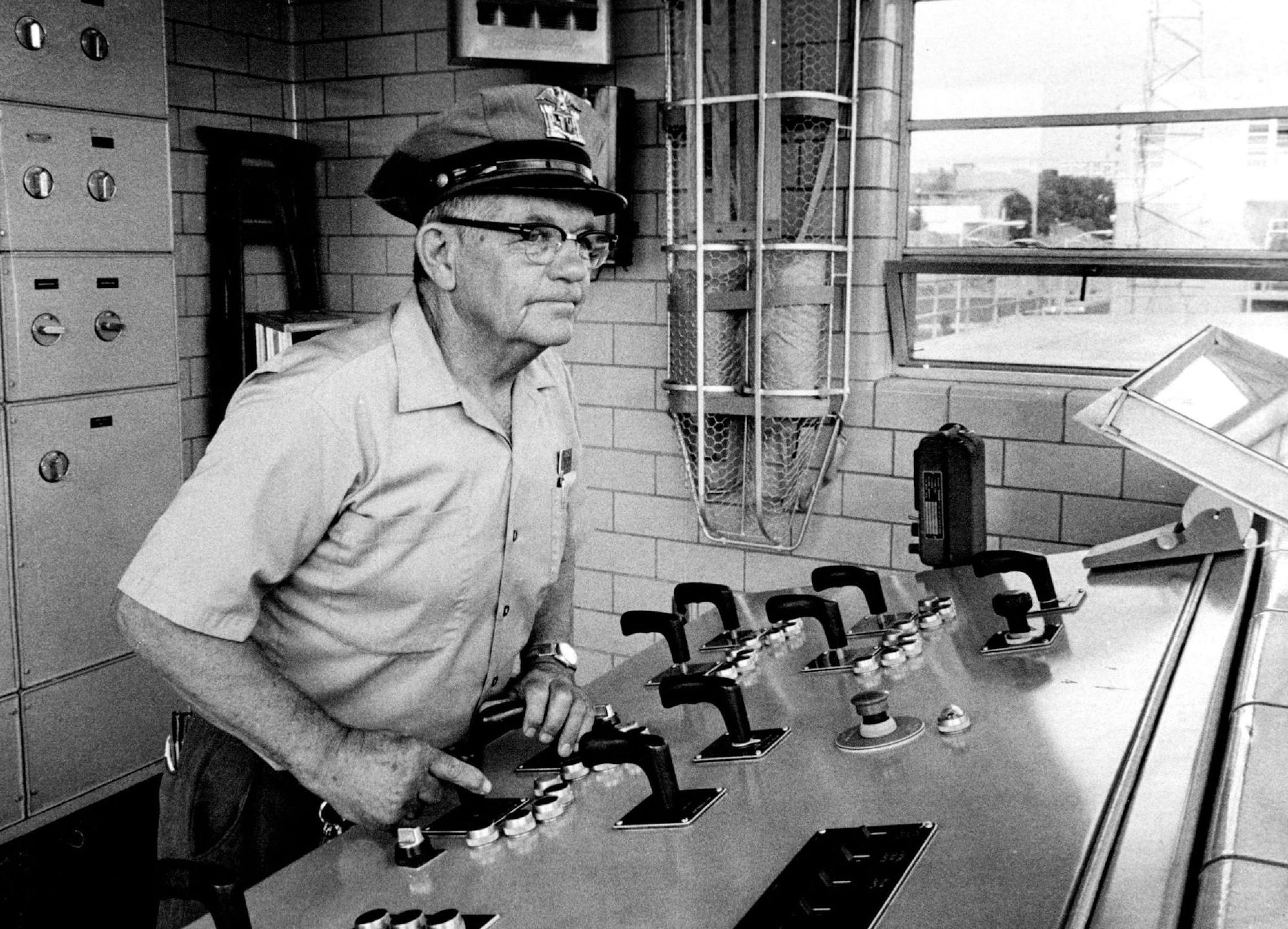
By next spring, the last barge or pleasure boat will take a 49-foot vertical ride in the concrete channel, exit through the mighty gates and the lock will close forever to river traffic. Local leaders think the extraordinary measure will keep the hated invasive carp from swimming upstream and muscling out our beloved local fishes.
What the closure of the 51-year-old lock won't do is save much money for taxpayers. The Corps of Engineers, which has been reshaping the Mississippi River's only natural waterfall since 1869, is here to stay.
Aaron Snyder, the corps' district chief of project management, said that the law merely orders the lock closed, but it doesn't tell the corps what to do with it afterward. So Snyder and his colleagues in the St. Paul District await word from headquarters in Washington on what to do next.
No matter what happens, Minneapolis has finally let go of its vision of a bustling river terminal on the North Side, loading the bounty of the Midwest onto fleets of barges headed for the world downstream.
The idea of Minneapolis becoming a major port was so far-fetched that even the corps, usually an enthusiastic dredger, was dubious. It tried to pull out in the 1950s, saying the project would never pay for itself, but Minneapolis' obsession pushed it forward.
Workers knocked out a vault in the Stone Arch Bridge and replaced it with an ugly trestle, so ships would have clearance. Then the deepest and most expensive ($38 million) lock system on the Mississippi River opened on Sept. 21, 1963. Politicians celebrated as a towboat pushed a barge full of cast-iron pipes through a red ribbon strung across the lock.