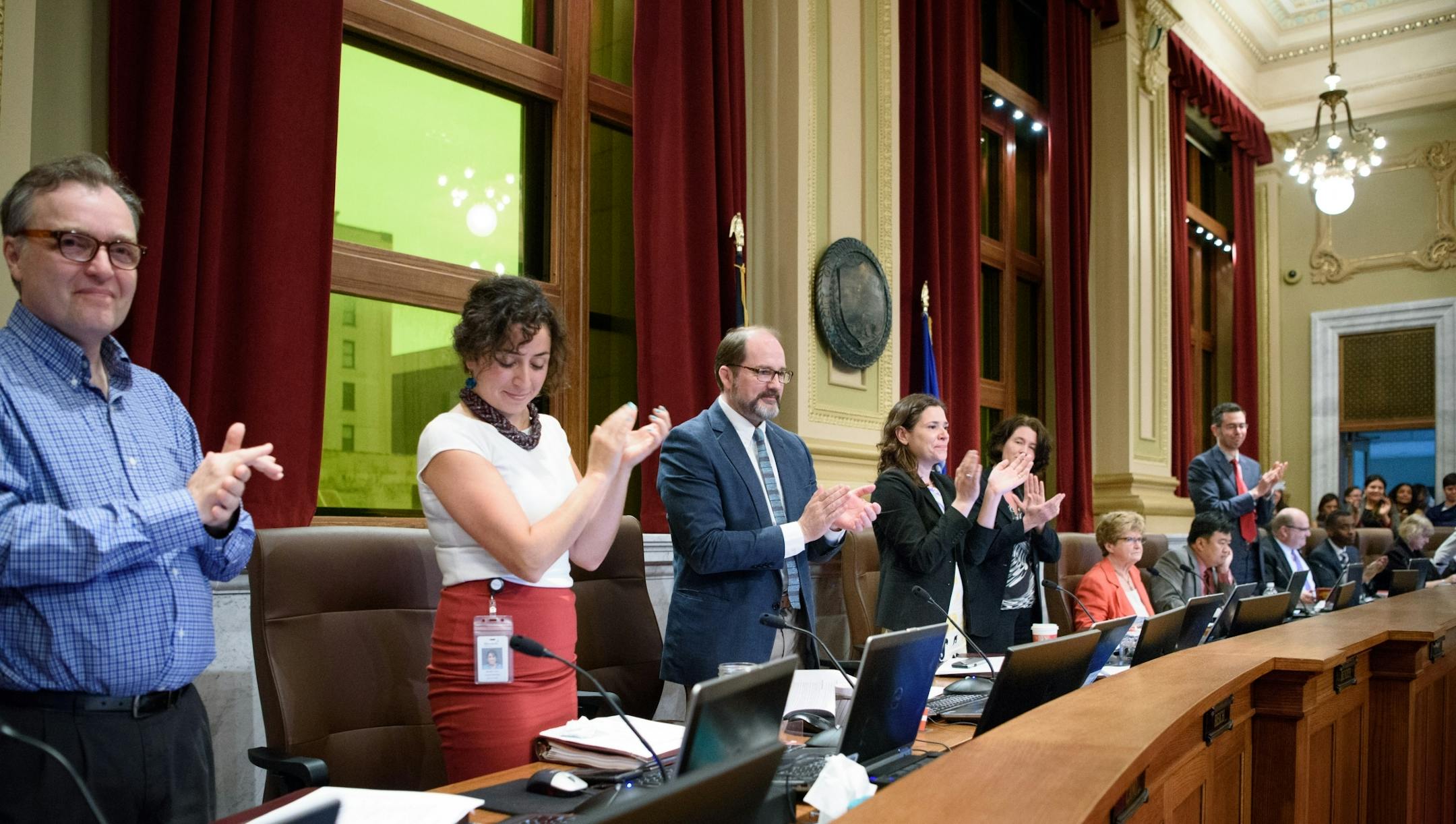
In what council members called a historic moment, Minneapolis on Friday became the first Midwestern city to mandate that nearly all private businesses provide paid sick leave.
The unanimous council vote followed months of heated debate, packed public meetings and last-minute policy revisions, and may set a precedent for other Minnesota cities that are exploring the issue, including St. Paul and Duluth. Across the country, 23 cities, five states and one county have passed sick-leave laws.
Starting July 1, 2017, workers at Minneapolis businesses with six or more employees will be able to earn up to 48 hours of paid sick leave per year, at a rate of one hour of leave per 30 hours worked. Smaller businesses will need to provide the same amount of unpaid leave. With few exceptions, any private employee working at least 80 hours in Minneapolis in a year — whether or not their company is based in the city — will be entitled to the benefit.
Several council members said they were spurred to keep working on the idea in large part because of a lack of action on work and economic issues by the state and federal governments.
"This is such a significant moment for our city," said Council Member Lisa Bender. "This is the first of many regulations that our city and other cities across the country are passing to address the new economic and political realities in our country."
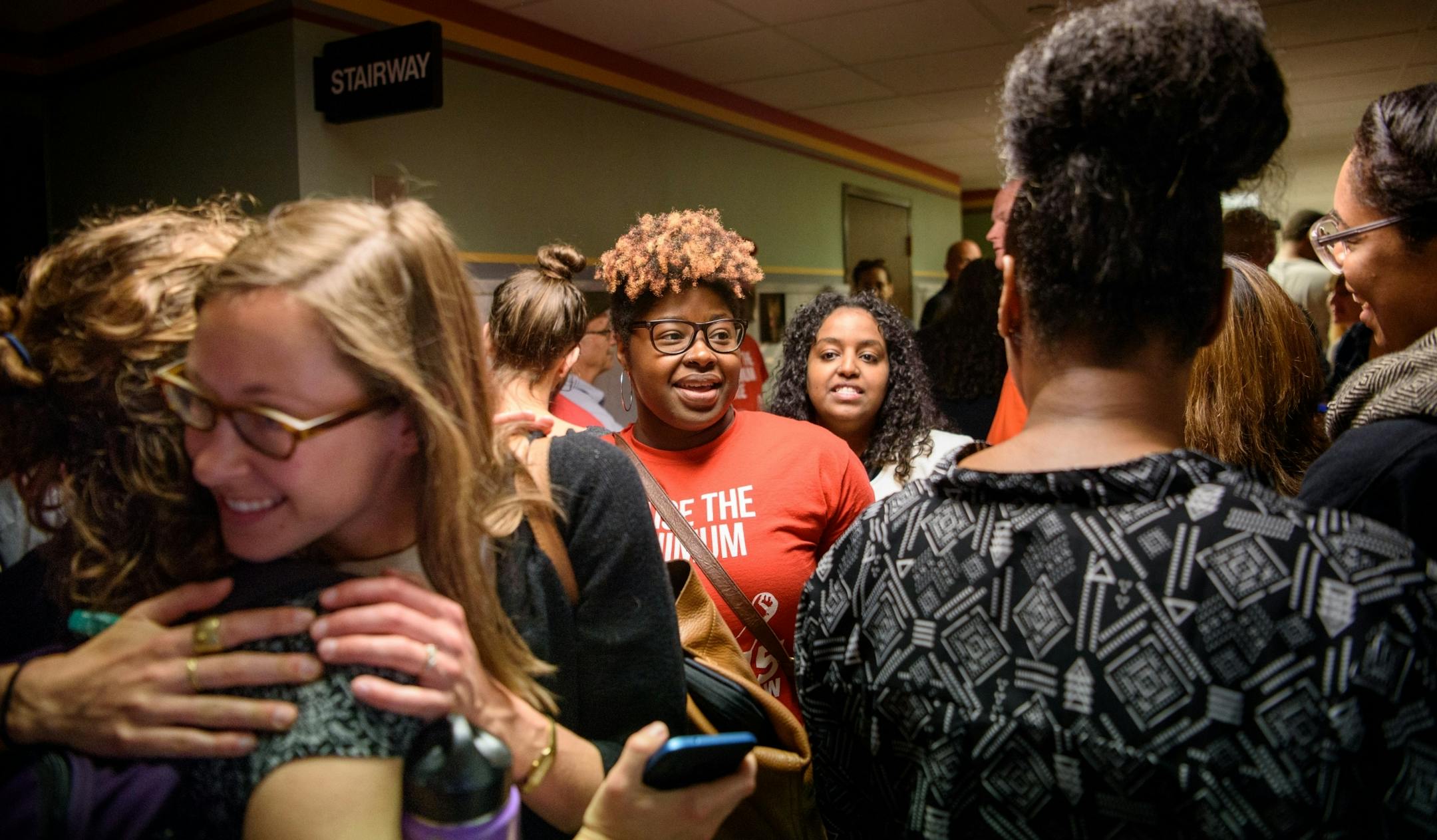
Friday's vote was cheered by a large crowd of supporters who packed the council chambers. Afterward, they spilled out into the hallway, hugging, singing and chanting: "The people, united, will never be defeated."
Business groups concerned
Some of the business leaders who had warned that a sweeping mandate would likely force businesses to raise prices, slash benefits or close their doors said they remain concerned that the ordinance will hurt the local economy.
In a statement, Minneapolis Downtown Council president and CEO Steve Cramer and Minneapolis Regional Chamber of Commerce interim president John Stanoch said, "Despite their good intentions, our elected officials do not know better than the thousands of businesses which have developed policies and practices that work well for them and the people they employ."