

Minnesota Republicans introduced legislation on Thursday intended to repair the state's broken system for investigating allegations of elder abuse, while lashing out at the Dayton administration for failing to act sooner as thousands of maltreatment allegations went uninvestigated.
The legislation would streamline the state's abuse reporting process, create new civil penalties for facilities that mislead consumers, and lift the layers of secrecy that often surround state investigations of maltreatment in senior homes. The bill would also enshrine in state law the rights of Minnesota families to use cameras in the rooms of their loved ones — further empowering consumers and potentially ending years of confusion over the use of electronic surveillance in senior homes.
The Republican proposal comes two days after Gov. Mark Dayton, joined by a bipartisan group of legislators, unveiled his own package of reforms aimed at protecting the roughly 82,000 seniors who live in senior care facilities across the state. Unlike the Republican proposal, Dayton's plan called for the immediate licensure of assisted-living facilities, a fast-growing but lightly regulated segment of the care industry, and tougher criminal penalties against perpetrators of abuse. The Republican package, by contrast, calls for further study of these issues through special task forces.
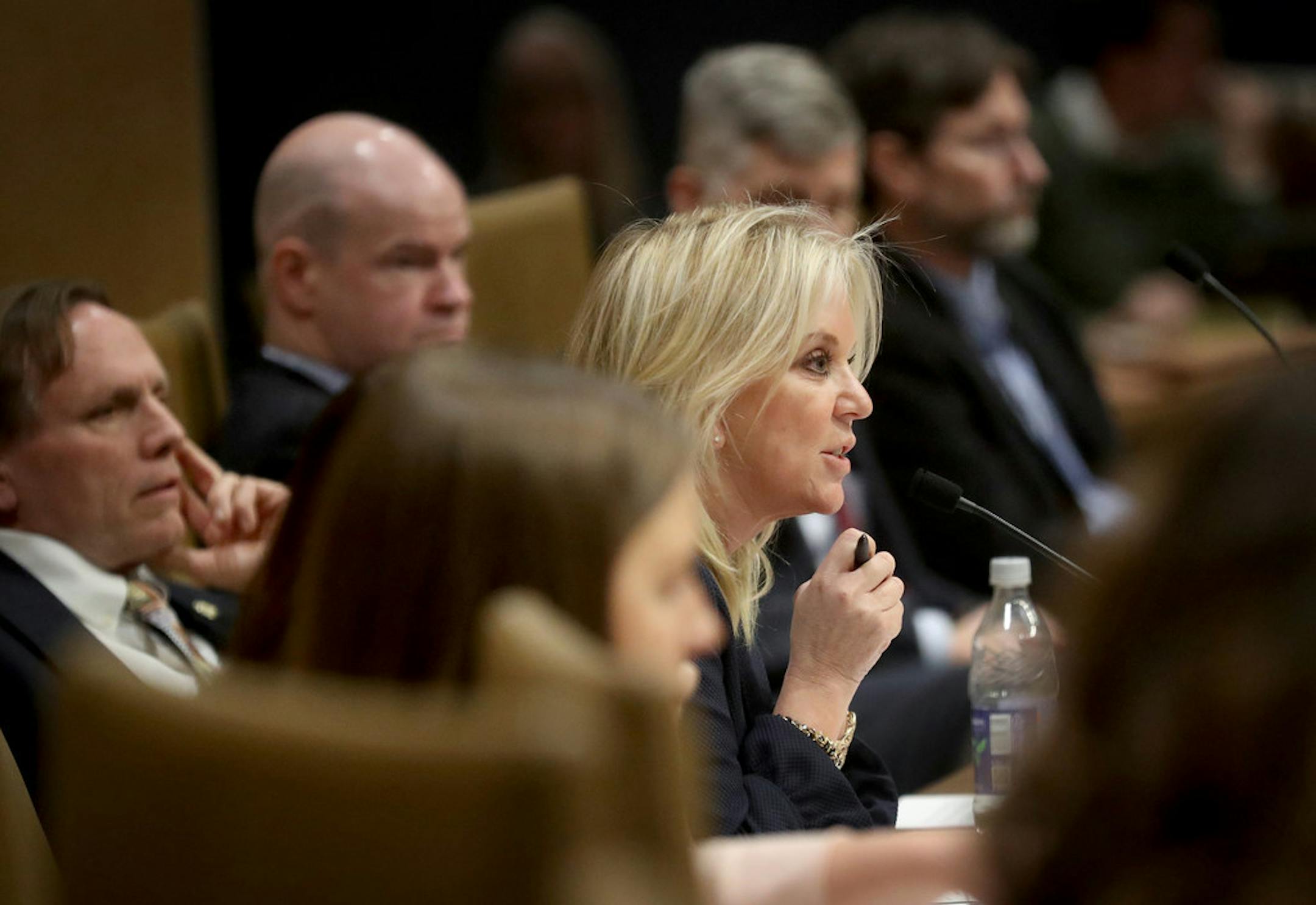
"There's no sugarcoating it. The Dayton-Smith administration failed elderly and vulnerable Minnesotans and their families," said Sen. Karin Housley, chairwoman of the Senate Aging and Long-Term Care Policy committee. "We owe them answers, accountability, and action this session."
Housley, who is from St. Marys Point near Afton, is running for the U.S. Senate seat vacated by Al Franken and now occupied by Democrat Tina Smith.
Both reform packages come amid a sharp rise in reports of abuse and neglect at senior care facilities across the state, and after reports surfaced late last year that the state's system for handling abuse allegations was being badly mismanaged. In a scathing report released last week, the Minnesota Legislative Auditor concluded that the Minnesota Department of Health failed to meet its responsibilities to protect vulnerable seniors because of "poor internal operations" and the state's unnecessarily complex regulatory structure.
The rival bills set the stage for a broader debate over the government's role in regulating the senior care industry, and the ability of residents of these facilities to control their own environment. There is broad agreement that Minnesota's laws aimed at protecting vulnerable adults have not kept pace with the changing landscape of residential care for seniors. At the same time, representatives from the senior care industry and some key Republican lawmakers have warned against overregulation in response to the current crisis.
For now, Sen. Housley and other Republicans are limiting their proposal to a handful of major reforms around enhancing transparency and enforcement. The Dayton-backed plan includes many of these changes but would give the state government far greater authority over the day-to-day operations of senior care facilities.


