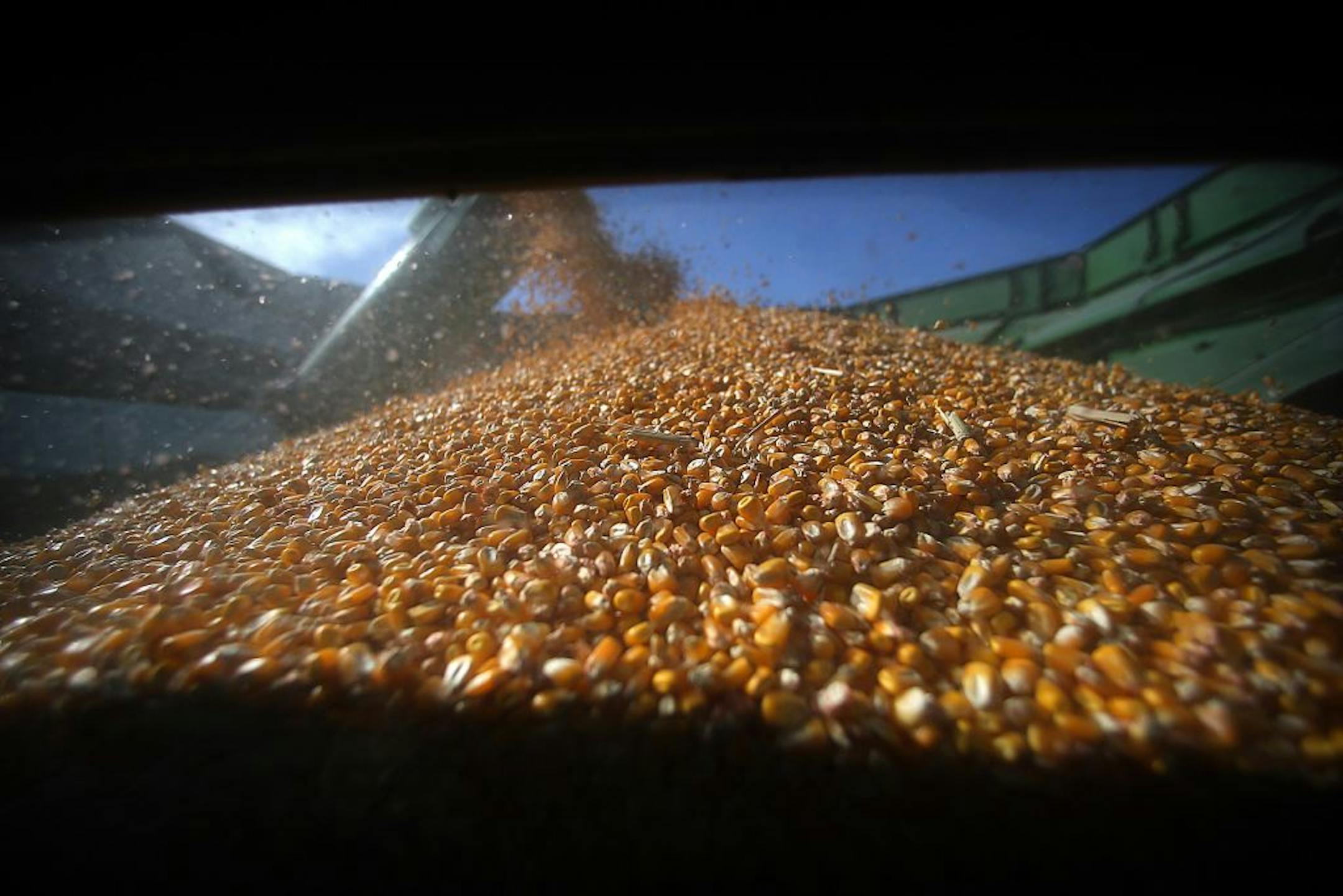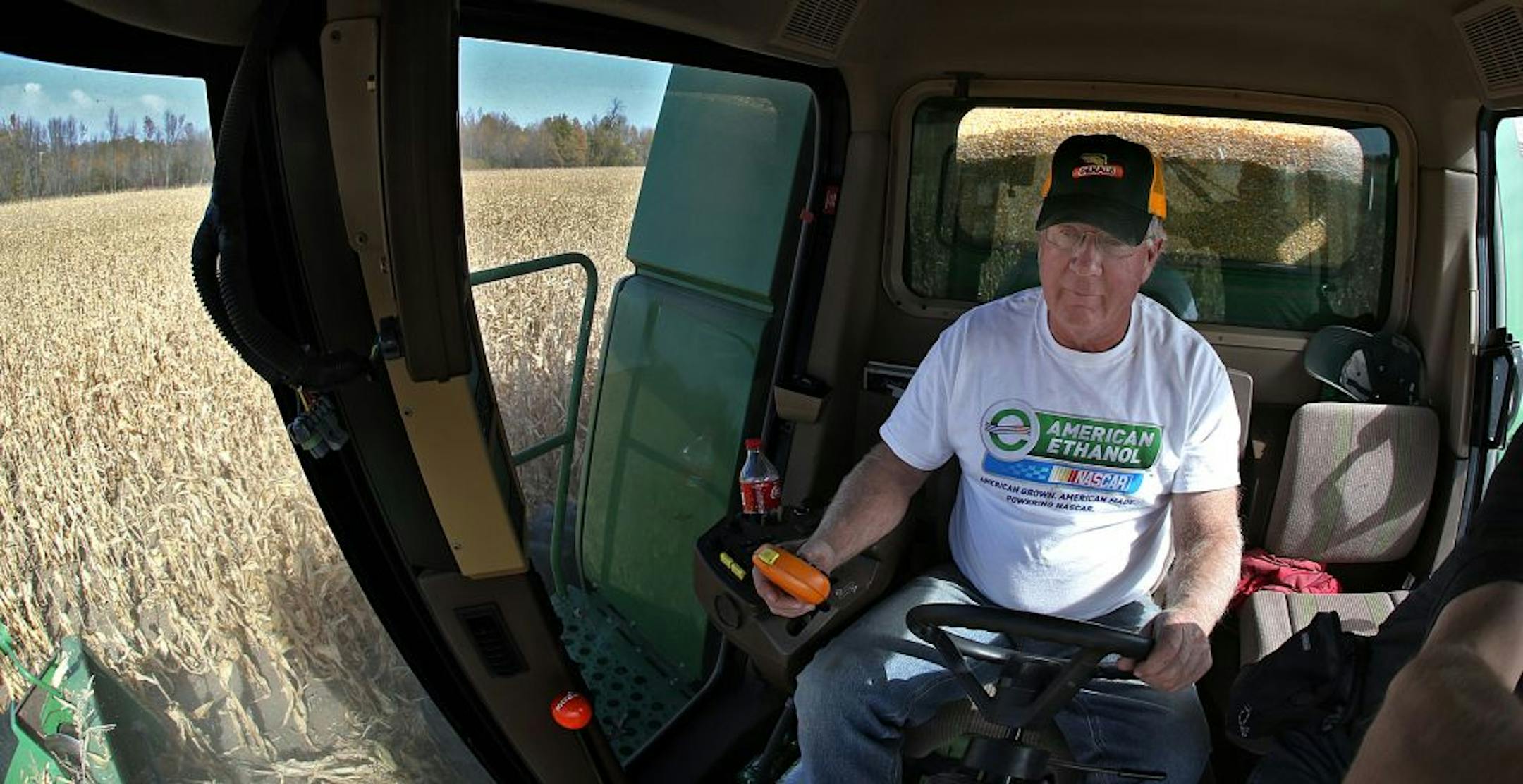
In much of the Midwest this year, farmers have harvested the equivalent of burnt toast. In Minnesota, more than 90 percent of the state is suffering from at least moderate drought, and some areas are scorched.
Yet as the state's earliest harvest in decades closes this month, many Minnesota farmers are smiling. The worst U.S. drought since at least 1988 decimated corn and soybean fields in other states, but both crops are at least respectable here, even in the thirstiest parts of the state.
"We have been blessed this year," said Tom Neher, vice president for grain at Mankato-based AgStar Financial Services, a farm lender. The state's corn crop is the best in the U.S. Corn Belt.
Meanwhile, spring wheat and sugar beet farmers have had banner years, even though their main turf -- northwestern Minnesota -- has been particularly parched. To top it off, prices for corn, soybeans and wheat have been rich, pushed up by supply fears created by the national drought.
Minnesota lucked out because copious spring rains saturated much of the state's soil enough to provide a reserve for the hot, dry summer. But that reserve has been sucked dry, and the state dearly needs precipitation to replenish the soil.
"My biggest concern is, what kind of moisture do we get between now and next April?" Neher said.
For now, the relatively strong harvest here and in North Dakota is a boon to both states' economies, said Joe Mahon, an economist with the Federal Reserve Bank of Minneapolis.
High grain prices have hurt livestock and biofuel producers by raising their input costs. But Minnesota crop farmers' income should generally be robust, reverberating through the agricultural economy, from machinery dealers to fertilizer wholesalers.