

Americans are slowly cutting their cable and satellite TV cords.
This year, about 700,000 pay-TV customers, about 0.7 percent of the U.S. market, will do so. Cord cutting is expected to grow about 1 percent per year through 2020.
Canceling cable or satellite service isn't usually easy or quick. There are service reps to deal with and equipment to return. But cord cutters and cord nevers — people who have never used cable or satellite service — have discovered digital over-the-air channels available for free using an antenna.
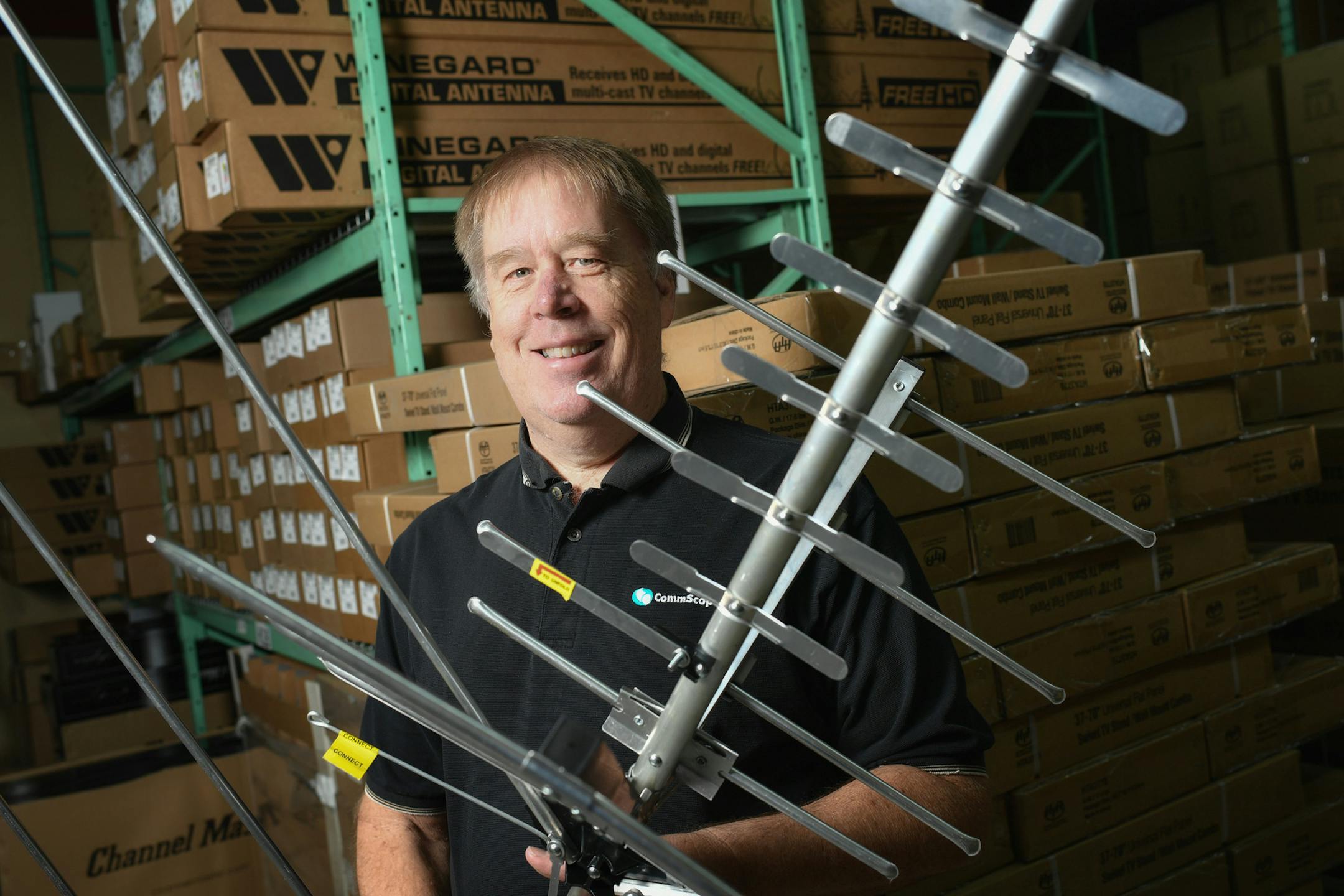
That's the area in which Mike Ness of Ness Electronics in Burnsville specializes. His company supplies indoor and outdoor TV antennas and accessories to TV sales and service companies, installers and consumers in the Midwest. His sales are up 29 percent from 2014 to 2016 and up another 18 percent year to date. In July, he plans to release his own line of high-end outdoor antennas called Sky Blue Antennas.
Q: People can get 40 to 60 free digital channels over the air with just an antenna. Sounds simple, but many antenna users have had reception issues. Before they give up cable or satellite, what do they need to know?
A: The biggest issue is getting the content that keeps them happy. An off-air antenna may not be able to get all those channels based on the strength of the signal coming to their house. There can be a big difference between what a neighbor picks up and what you pick up. It's all based on line of sight to the towers in Shoreview. Trees, tall buildings or a water tower can affect it. Some channels like ESPN and HGTV are not available free over the air, so you have to use streaming services that run $5 to $40 a month each. Some people buy multiple streaming services.
Q: Can an installer help if the consumer has no luck getting a good signal?
A: An expert can be a great route to go — someone who's put up antennas in that neighborhood and knows the nuances such as how high to go.


