Surveys asking travelers where they plan to vacation have consistently ranked Nebraska last among the 50 states. No wonder the state chose this for a tourism slogan: "Honestly, it's not for everyone."
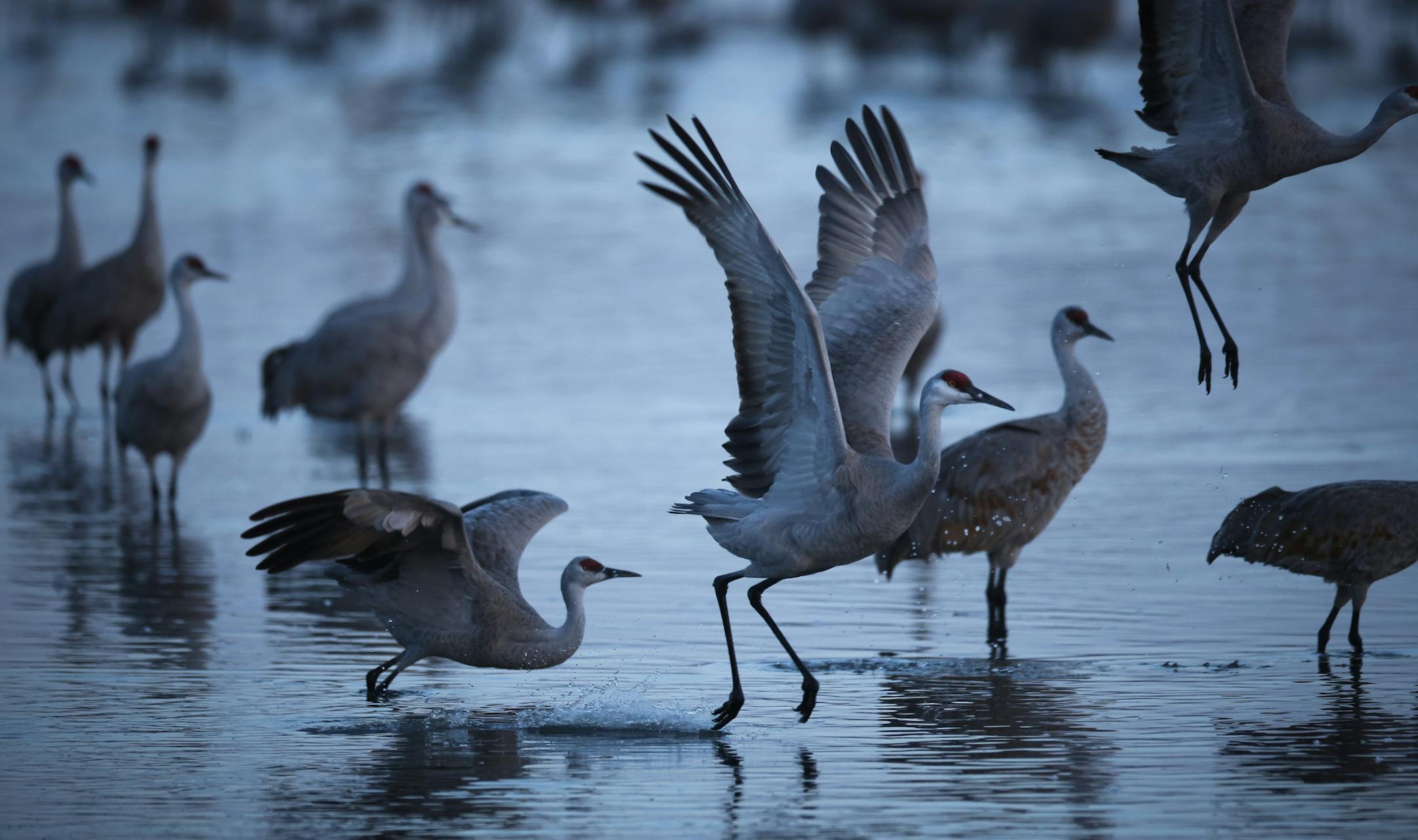
But here's a reason (actually, hundreds of thousands of reasons) why Nebraska isn't just flyover country. More than a half-million sandhill cranes stop here each year as they migrate north. They arrive around Valentine's Day and disappear by tax day, April 15.
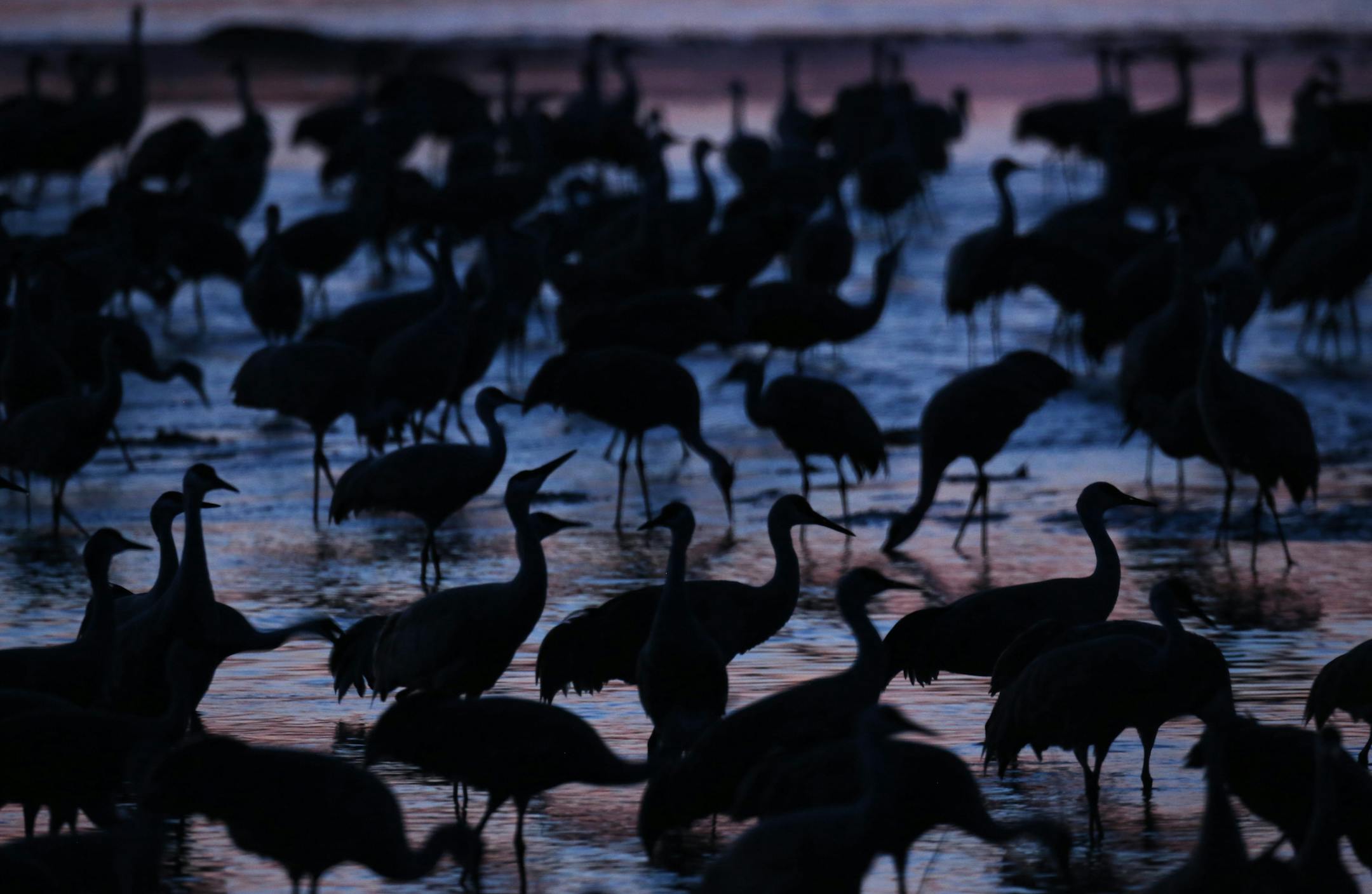
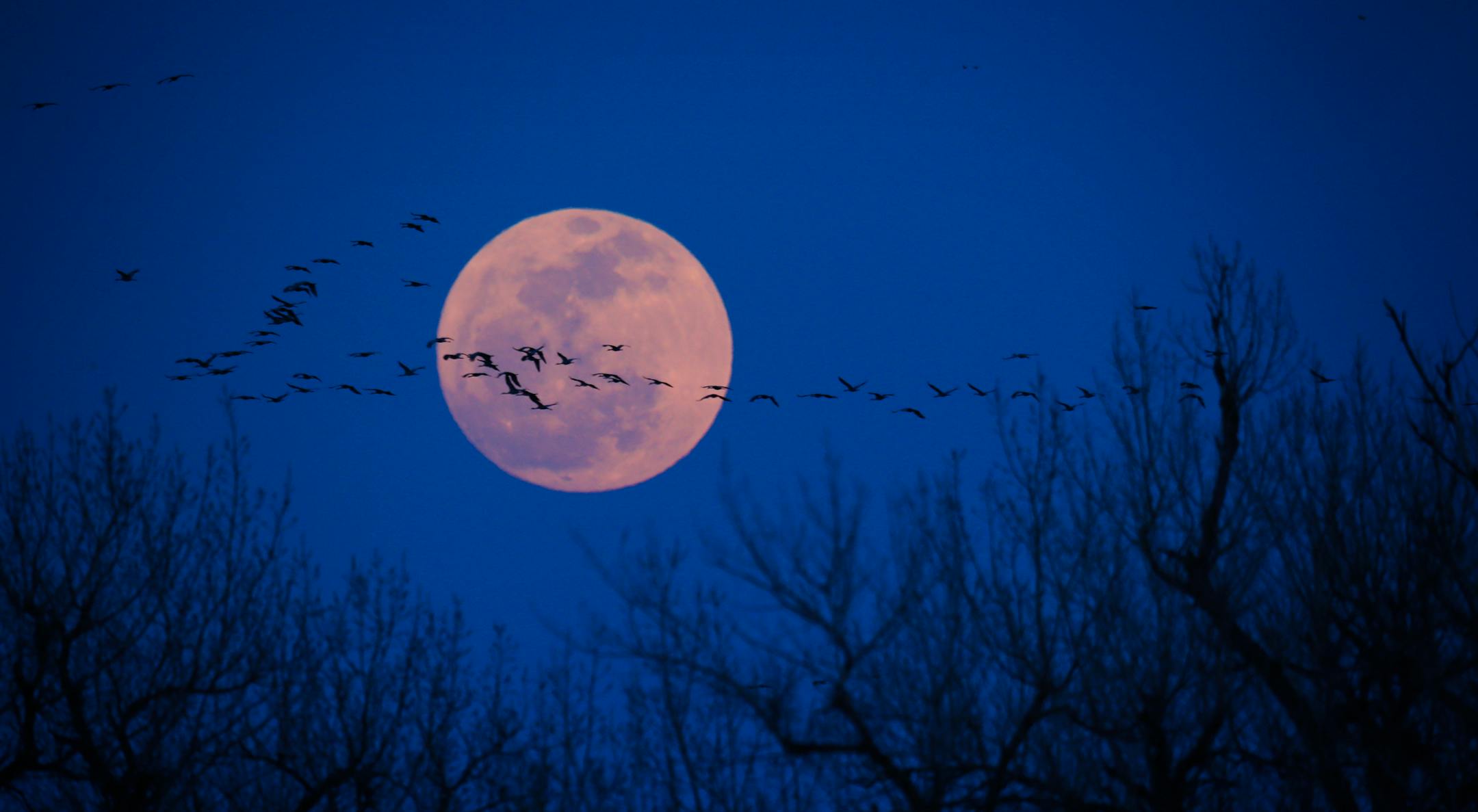
Peak season for the spectacle is mid- to late March, with massive flocks landing around sunset each day on the Platte River, a few hours' drive west of Omaha. As darkness falls, the birds find sandbars in the shallow waters to roost on overnight. They take off again at dawn to feed in nearby fields. Their trills and caws fill the air as they fly across the sky in swirling waves.
For nature lovers, a long weekend in March to witness the migration makes for a magical spring getaway. This isn't one of those adventures where you hike miles or wait hours to catch a fleeting glimpse of some elusive creature. You don't need to be an expert bird-watcher; you don't even need binoculars. And while you can pay for guided tours, public viewing spots aren't hard to find. As sure as the sun rises and sets, you'll see the cranes.
Anthropologist Jane Goodall, renowned for her chimpanzee research in Tanzania, has visited Nebraska more than a dozen times to witness the phenomenon. In a "60 Minutes" segment, she called it "food for the spirit."
Finding the birds
The cranes fly to Nebraska from winter homes in Mexico, Texas and New Mexico, en route to summer playgrounds in Alaska, Canada and Siberia. In Nebraska, they fatten up for their travels by eating waste grain and corn from last year's harvest.
As you drive local roads, you may see them feasting by day in the fields. But they're so skittish that the sound of a car door opening can send flocks airborne. (It's also illegal to harass them.) So pull over quietly, and watch through your car windows. Look for their mating dance as they hop on spindly legs and flap their wings.
The real show begins at day's end, when the birds leave those roadside fields for the sandy flats of the Platte River. As they seek out the perfect sandbar, they circle the sky in undulating ribbons. Amid a soundscape of wild cries and calls, they land in larger and ever more frenzied waves until the last ray of light is gone.